AI Email Writer
Free AI Email Writer
Most emails fail because the ask is buried in paragraph three. The reader is scanning on a phone, deciding in about two seconds whether this needs them, and a slow opening answers no.
Gets to the ask in the first two lines
Covers outreach, follow ups and awkward messages
Free to use, no account needed
These tools stay free because people chip in. Buy us a coffee ☕
Something broken, or a tool you wish we had? Tell us what you need


More free tools
People who use the AI Email Writer also reach for these
Every tool here is free, runs in your browser and needs no account.
Inside RepeatPost
What you get when the free tool is not enough
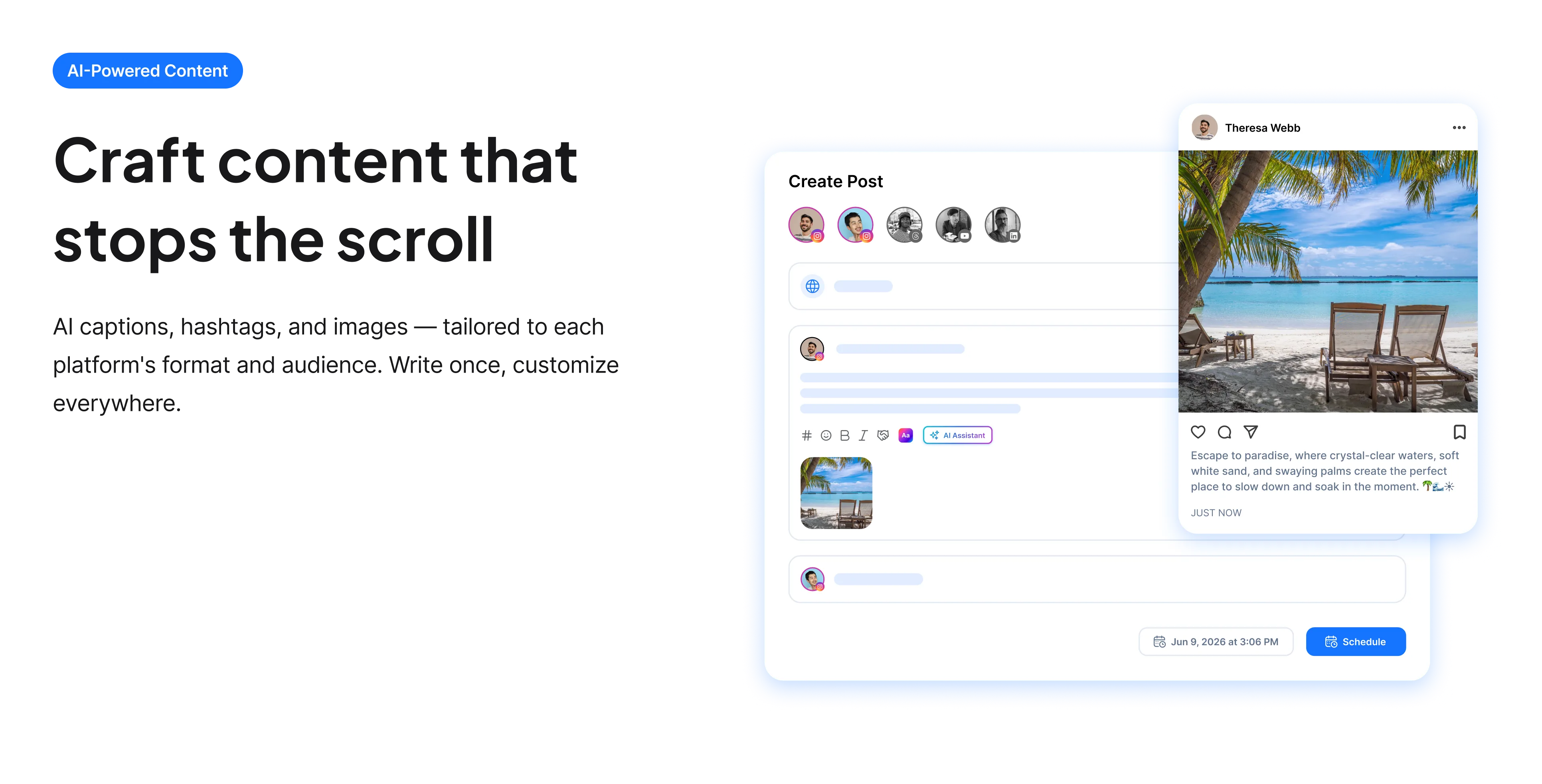
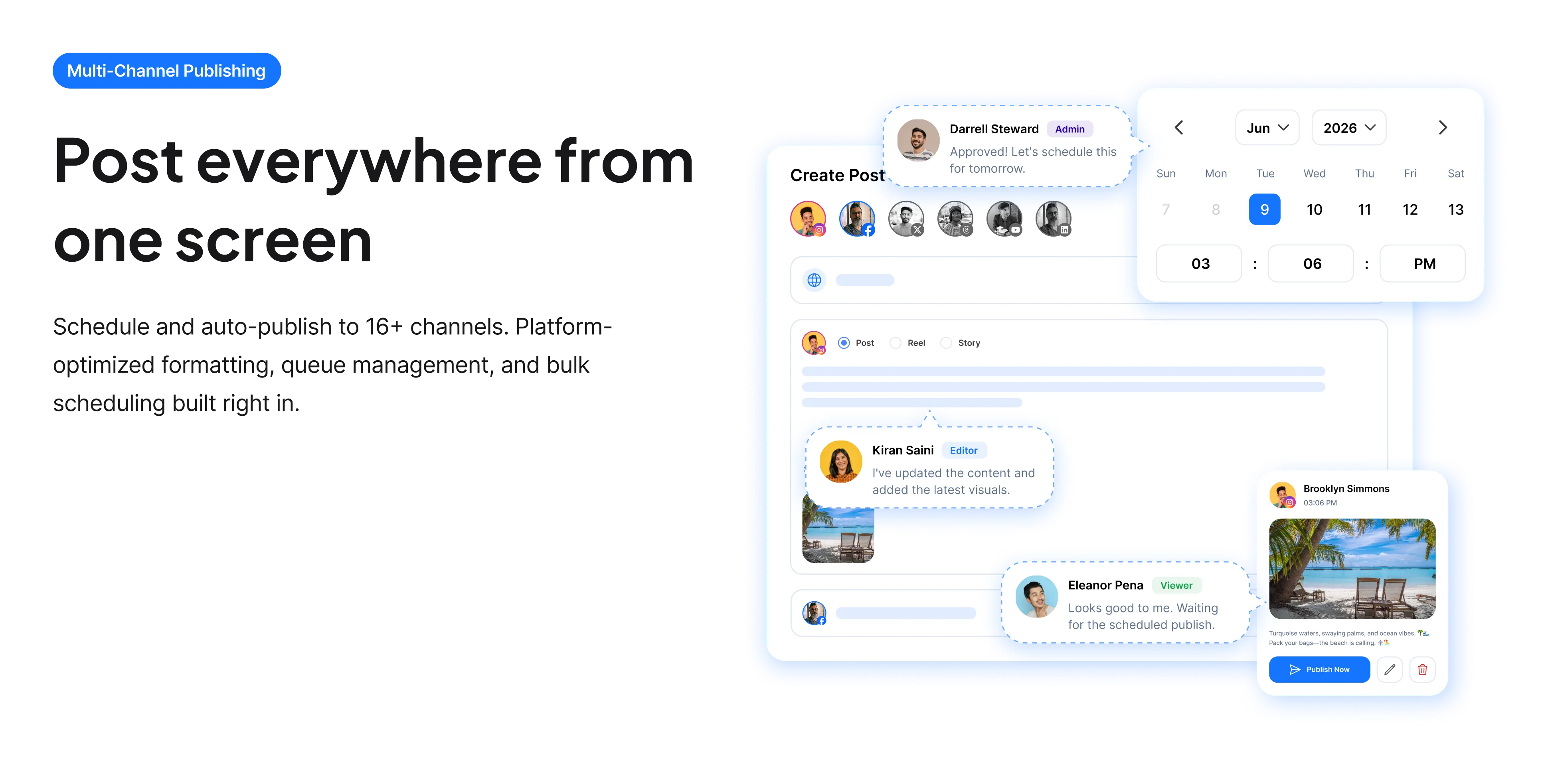
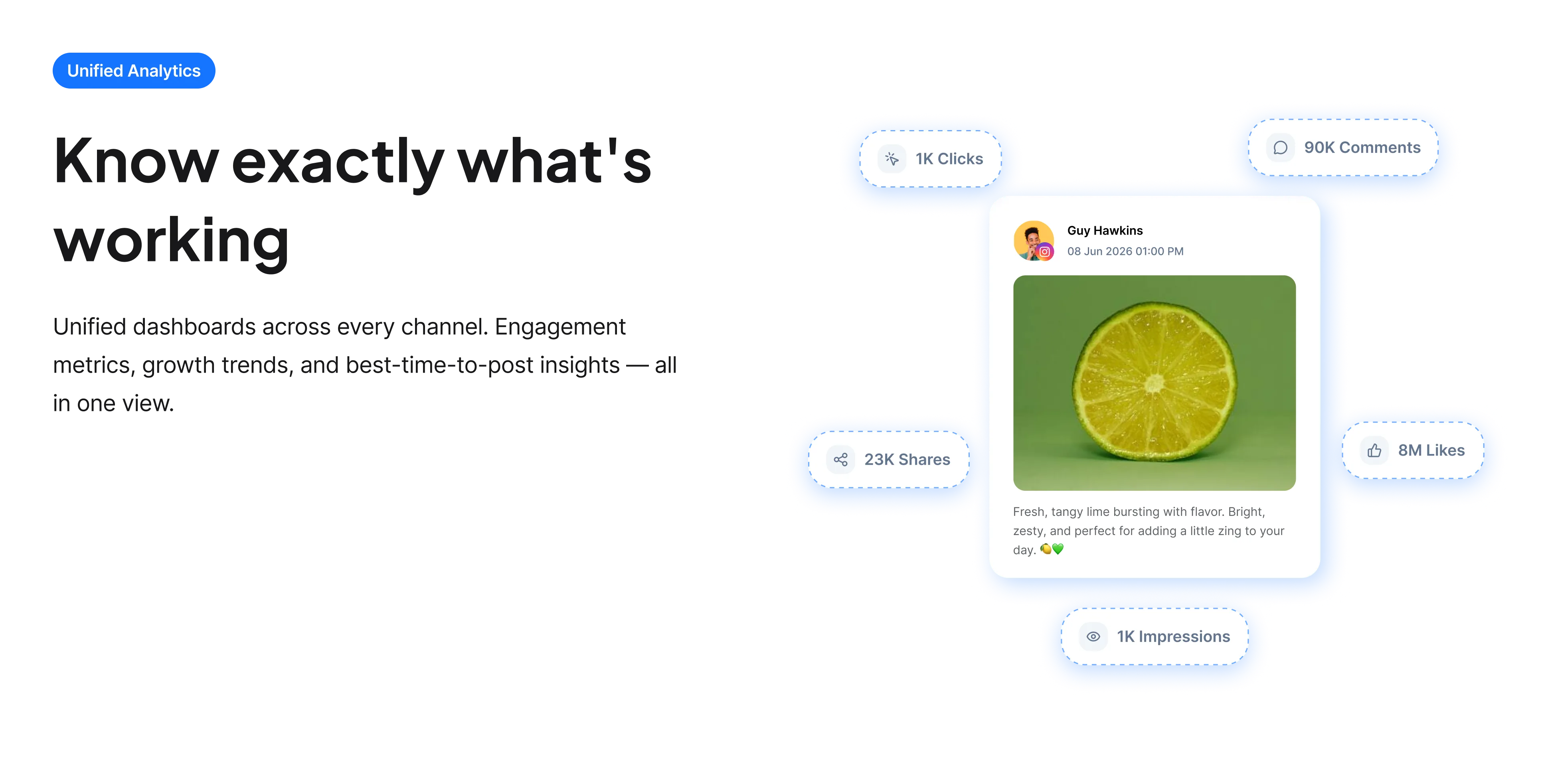
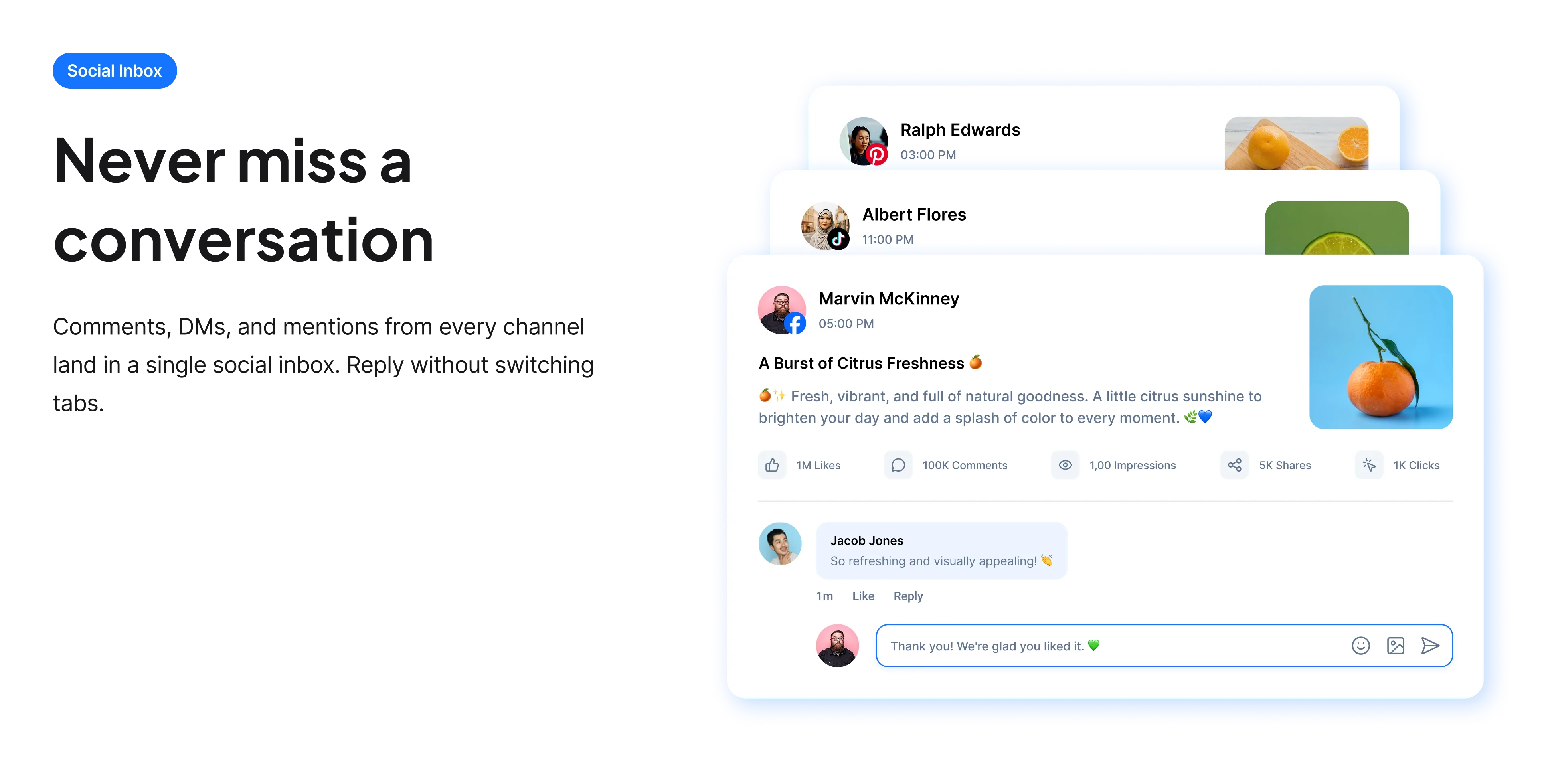
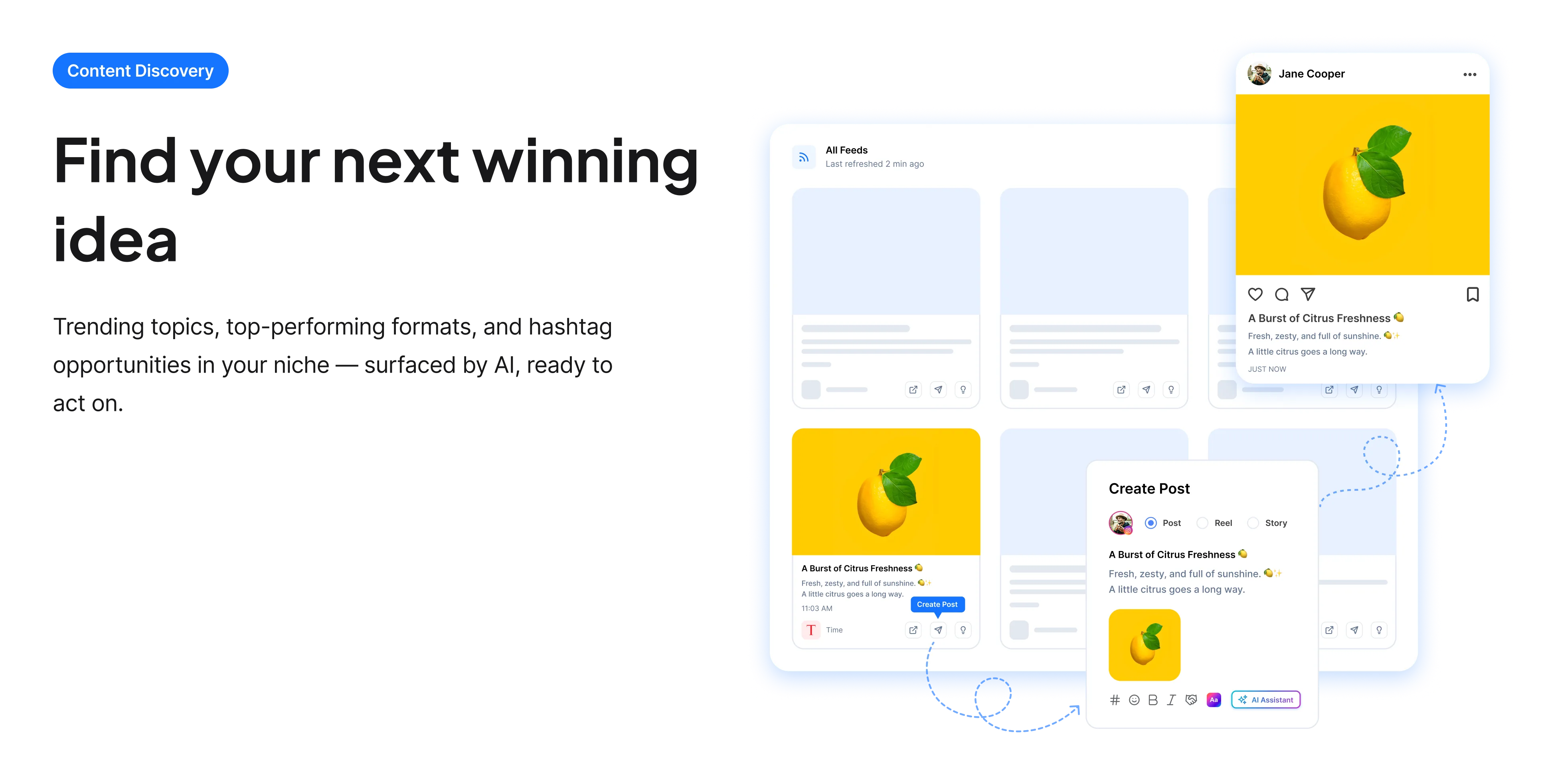
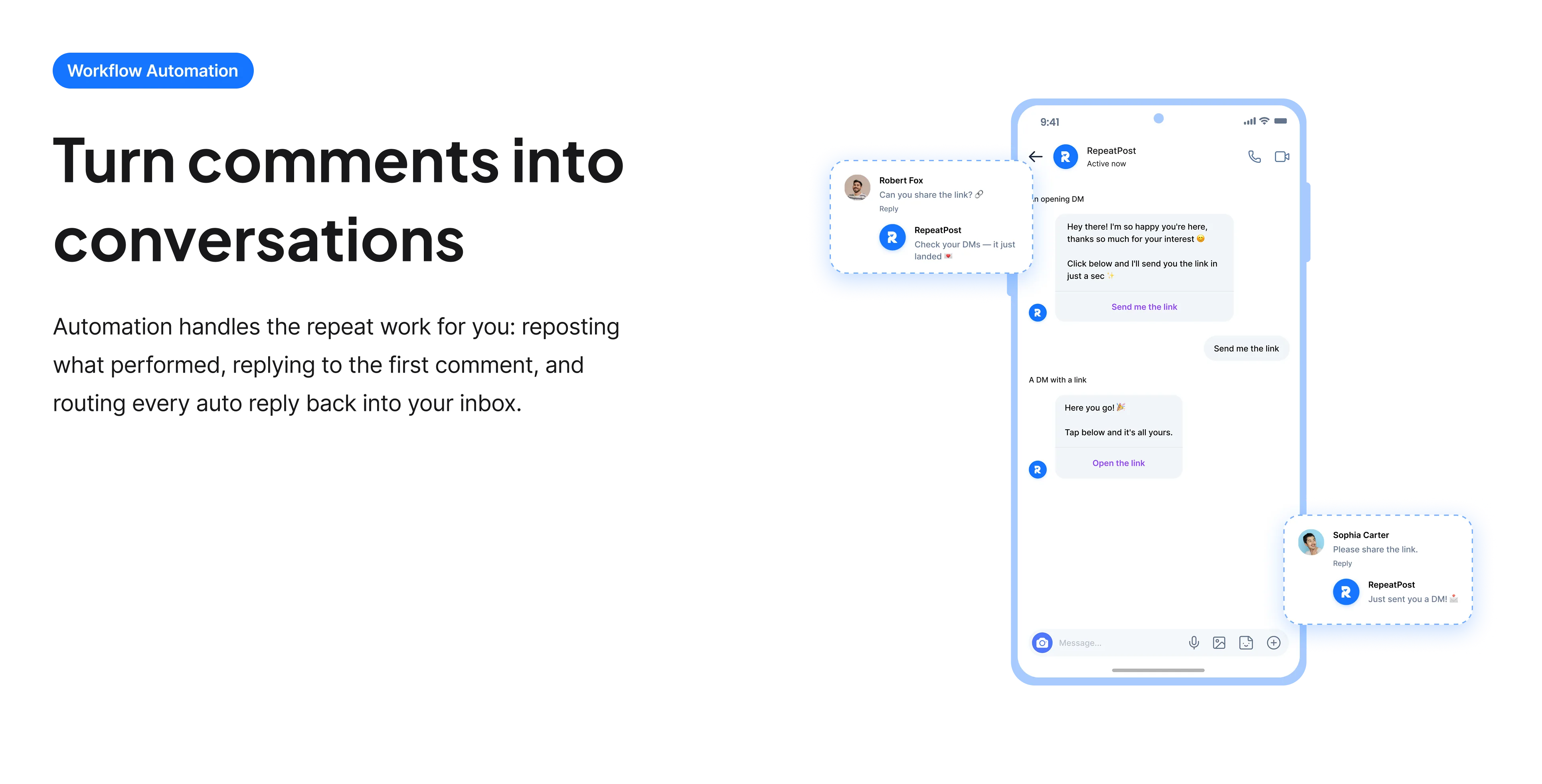
The free tools solve one task at a time. RepeatPost handles the whole loop: write the post, publish it everywhere, then see what landed.
Ready to get started?
The free tools are the warm up. RepeatPost plans, writes and publishes across every channel you post to.
Free plan to start
No credit card required
Cancel anytime
All about the AI email writer
The ask belongs at the top
Email is read differently from anything else. The recipient is scanning, frequently on a phone, and deciding within a couple of seconds whether this message requires them. That makes structure more important than polish: an email that opens with context and reaches its request in the third paragraph has already lost most readers. Putting the ask near the top feels abrupt when you write it and reads as respectful when someone receives it, because it tells them immediately whether they need to keep reading.
How to structure an email that gets answered
The order matters more than the wording.
- Write a subject line that says what the email is about rather than trying to intrigue, since vague subjects read as marketing.
- Open with the ask or the reason you are writing, within the first two lines.
- Give the context afterwards, for the people who need it.
- Make the request specific and easy to say yes to. "Are you free Tuesday at 2" beats "let me know when suits".
- Keep it short. A long email asks for time before it has earned any.
- Delete the opening pleasantry in most cases, since it delays the point without adding anything.
Different emails, different rules
The structure holds, but the register changes considerably.
- Cold outreach has to earn attention in the subject line and the first sentence, and should be shorter than feels comfortable.
- Follow ups should add something new rather than repeating the previous email, since a bare reminder is easy to ignore again.
- Internal emails can assume shared context, which is exactly why they should still state the ask clearly.
- Difficult messages benefit most from directness, because softening bad news usually reads as evasive.
- Client emails should confirm what happens next, since ambiguity in a client relationship generates more email.
Who uses this tool
People who write the same kinds of email repeatedly.
- Freelancers and consultants sending proposals and chasing invoices.
- Anyone doing outreach who is getting no replies and suspects the emails are too long.
- People writing in English as a second or third language who want natural phrasing.
- Founders sending investor updates and partnership requests.
- Anyone facing an awkward email they have been putting off writing.
Email structure reference
What each part should do.
| Element | Job | Common mistake |
|---|---|---|
| Subject line | Say what it is about | Trying to be intriguing |
| First two lines | The ask or the reason | Opening with pleasantries |
| Body | Context for those who need it | Putting context first |
| The request | Specific and easy to answer | Leaving it open ended |
| Length | Short | Asking for time up front |
| Follow up | Add something new | Repeating the first email |
| Cost | Free | No account and no card |
| Rights to the output | Yours to use commercially | Including client work |
These are conventions rather than rules, and a long standing relationship supports a warmer opening than cold outreach does.
When this is not the right tool
Do not send anything sensitive without reading it properly. Emails about employment, money, complaints or legal matters carry consequences that a generated draft cannot anticipate, and the wording in those cases is the substance rather than the presentation. It also cannot know your relationship with the recipient, which is what determines the right register more than any tone setting. For social posts rather than email, the platform generators are the right tools, and for a longer piece the blog outline generator handles structure.
How teams picture using RepeatPost
“Honestly, the calendar is what sold me. I could see every channel in one view and spot the week we'd gone quiet. Before this I was juggling three spreadsheets and a Slack thread. Now I plan the month on a Monday morning and I'm done by half ten.”
Hannah Whitfield
Marketing Manager
United KingdomJun 14, 2026“We run social for eleven clients and keeping them separate used to be a genuine anxiety of mine. Workspaces fixed that. Each client sits in their own space, approvals route to the right person, and I've stopped worrying that someone's going to push a dental practice promo to a restaurant account at 6am.”
Marcus Reed
Agency Owner
United StatesJun 29, 2026“I batch a fortnight of content on a Sunday arvo and then I don't think about it again. Reckon it's saved me a solid day a week. Only gripe is the mobile app still feels a step behind the web version, so I do the actual planning on my laptop. Everything else is spot on.”
Chloe Baxter
Content Creator
AustraliaJul 11, 2026“I'm handling social for four small brands and writing captions was eating my whole morning. The AI drafts are actually quite usable now. I still rewrite maybe every third one to sound like the client, but starting from something beats staring at a blank box. The hashtag tool alone I'm using daily.”
Ananya Raghavan
Freelance Social Media Manager
IndiaJul 30, 2026“I sell fabrics and my customers find me on Instagram mostly. Posting used to be whenever I remembered, which was maybe twice a week. Now I sit down every Sunday evening, load up two weeks, and it goes out on its own. Sales have followed. I'd like to see WhatsApp added properly, that's my one ask.”
Chidinma Eze
Small Business Owner
NigeriaAug 18, 2026“Our team is five people and we were losing posts in Slack threads. Someone would approve something, someone else would tweak it, and nobody knew which version went live. The approval flow sorted that in a week. Fair play, it's the least glamorous feature on the site and it's the one I'd miss most.”
Niamh Gallagher
Social Media Lead
IrelandSep 02, 2026FAQs
Frequently Asked
Questions
In the first two lines. The recipient is scanning, often on a phone, and deciding quickly whether the message needs them. An email that reaches its request in paragraph three has already lost most readers.
Saying what the email is about rather than trying to intrigue. Vague or clever subject lines read as marketing and get ignored, while a plain description of the contents gets opened by people who need it.
Add something new rather than repeating the previous email. A bare reminder is as easy to ignore as the first message was, whereas a follow up carrying fresh information gives a reason to respond.
Usually not. It delays the point without adding anything, and in a phone inbox it can consume the entire preview line. An existing relationship supports a warmer opening; cold outreach does not.
Be specific. "Are you free Tuesday at 2" can be answered with one word, while "let me know when suits" transfers the work to the recipient and reliably produces slower replies or none.
Draft with it, but read carefully before sending. Emails about employment, money, complaints or legal matters carry consequences a generated draft cannot anticipate, and in those cases the exact wording is the substance.
Ready to grow on autopilot?
Create your free account and start managing 16+ channels with AI in minutes.
Get started for freeFree plan to start
No Credit Card Required
Cancel anytime