Blog outline generator
Free Blog Outline Generator
Drafts wander because the structure was never decided. Fixing a plan takes ten minutes and fixing a finished article that lost its way takes an afternoon, which is the entire argument for outlining first.
A heading structure to write against
Matched to what the reader is trying to do
Free to use, no account needed
These tools stay free because people chip in. Buy us a coffee ☕
Something broken, or a tool you wish we had? Tell us what you need


More free tools
People who use the Blog Outline Generator also reach for these
Every tool here is free, runs in your browser and needs no account.
Inside RepeatPost
What you get when the free tool is not enough
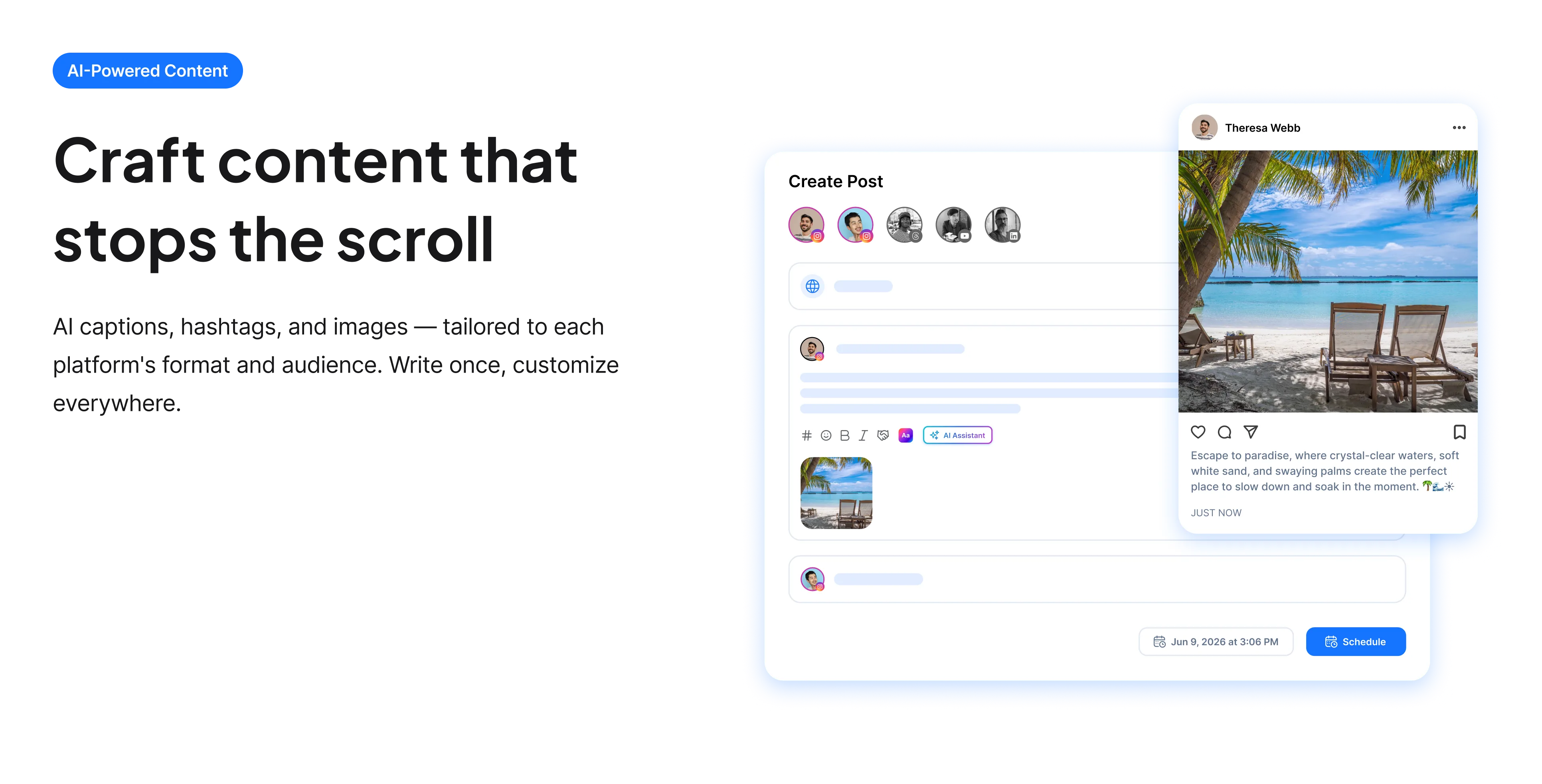
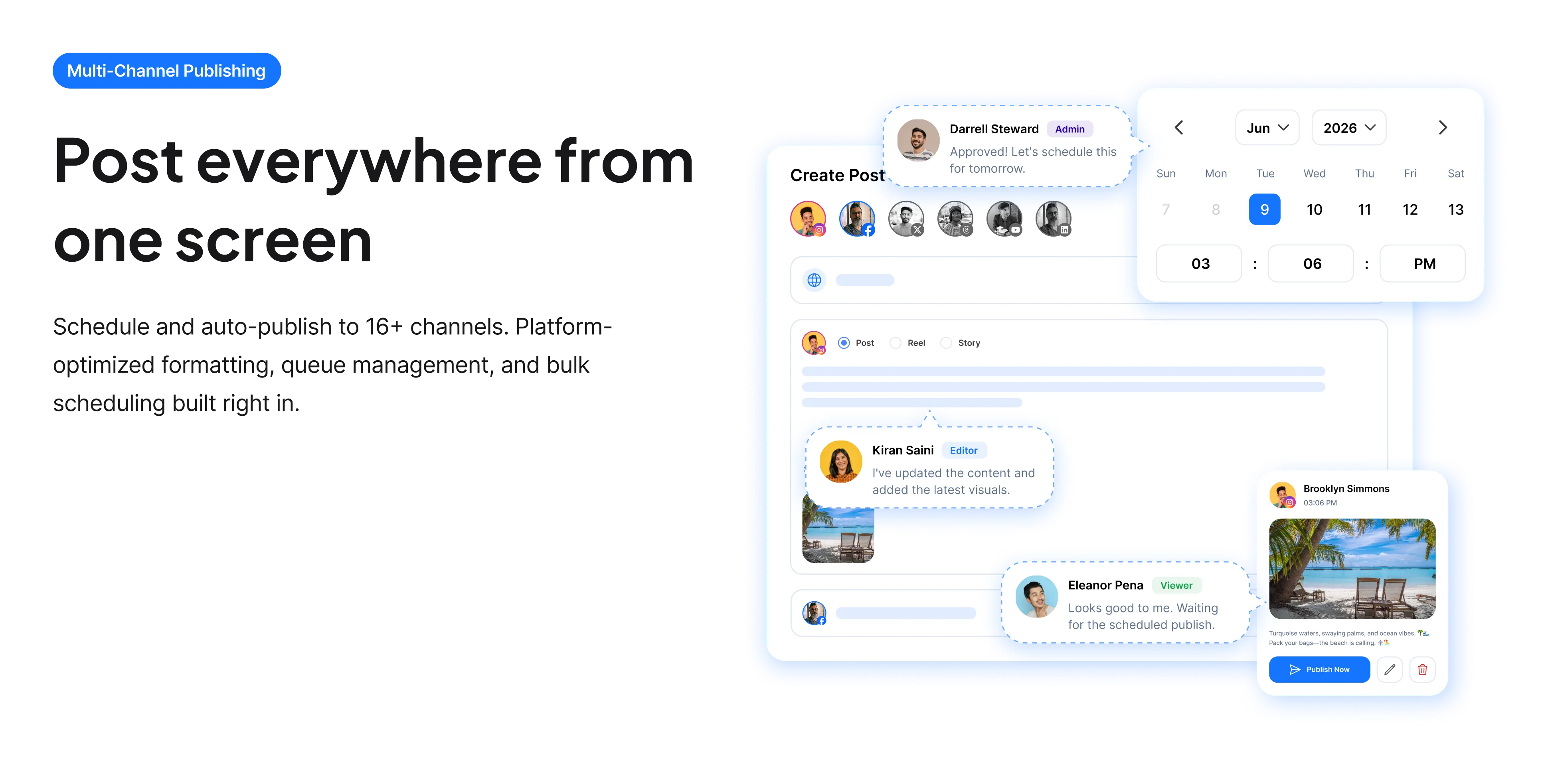
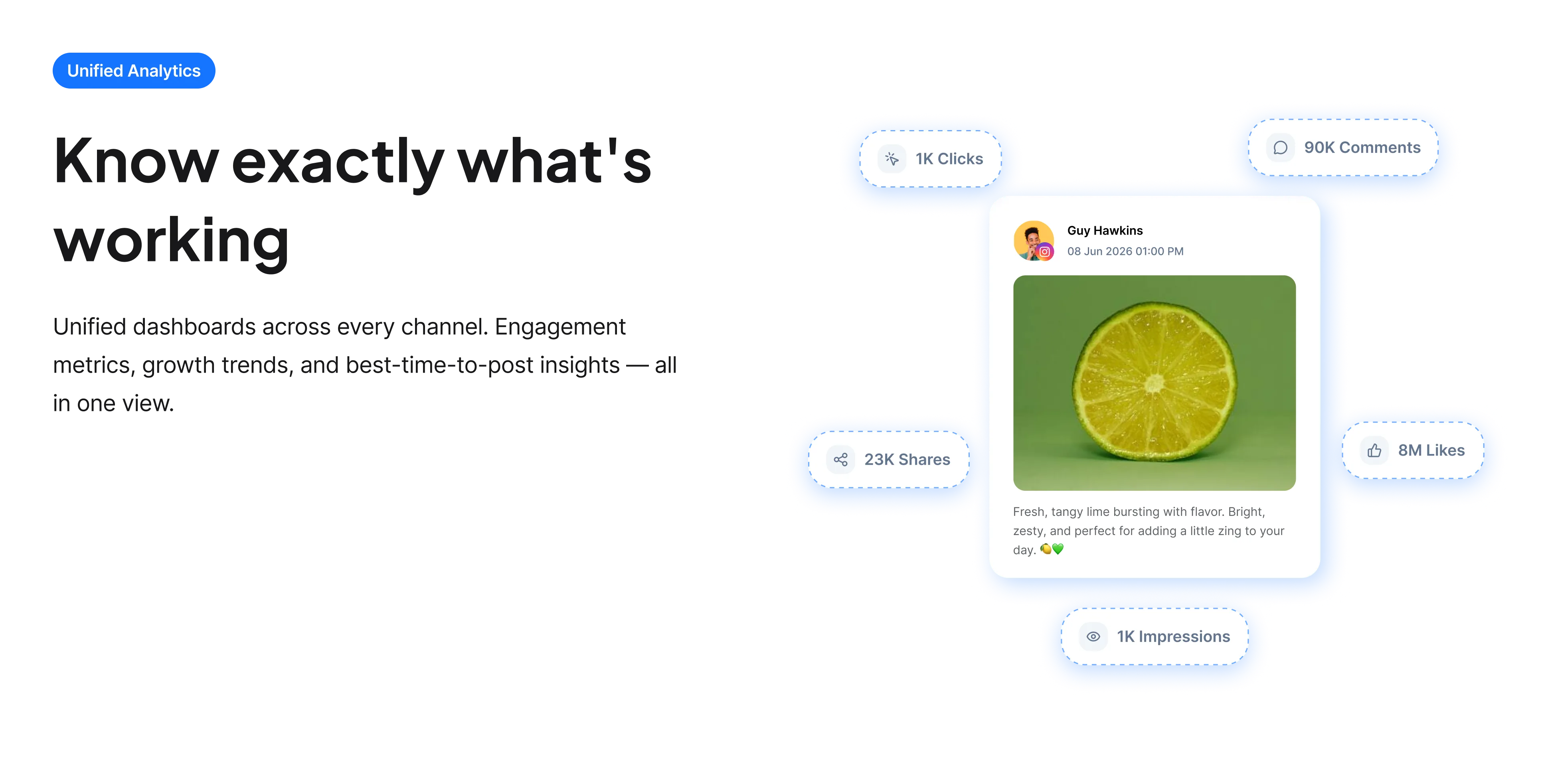
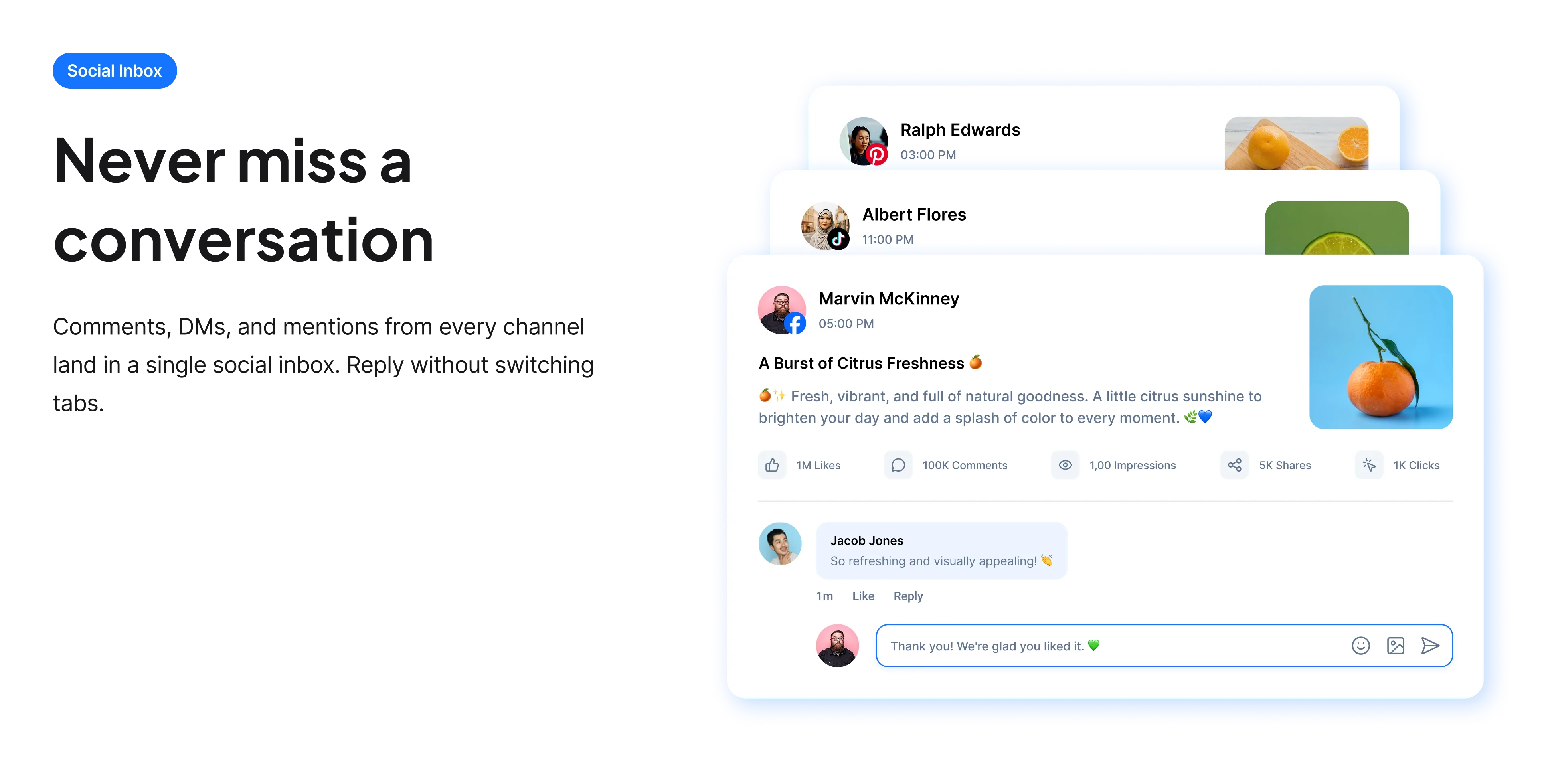
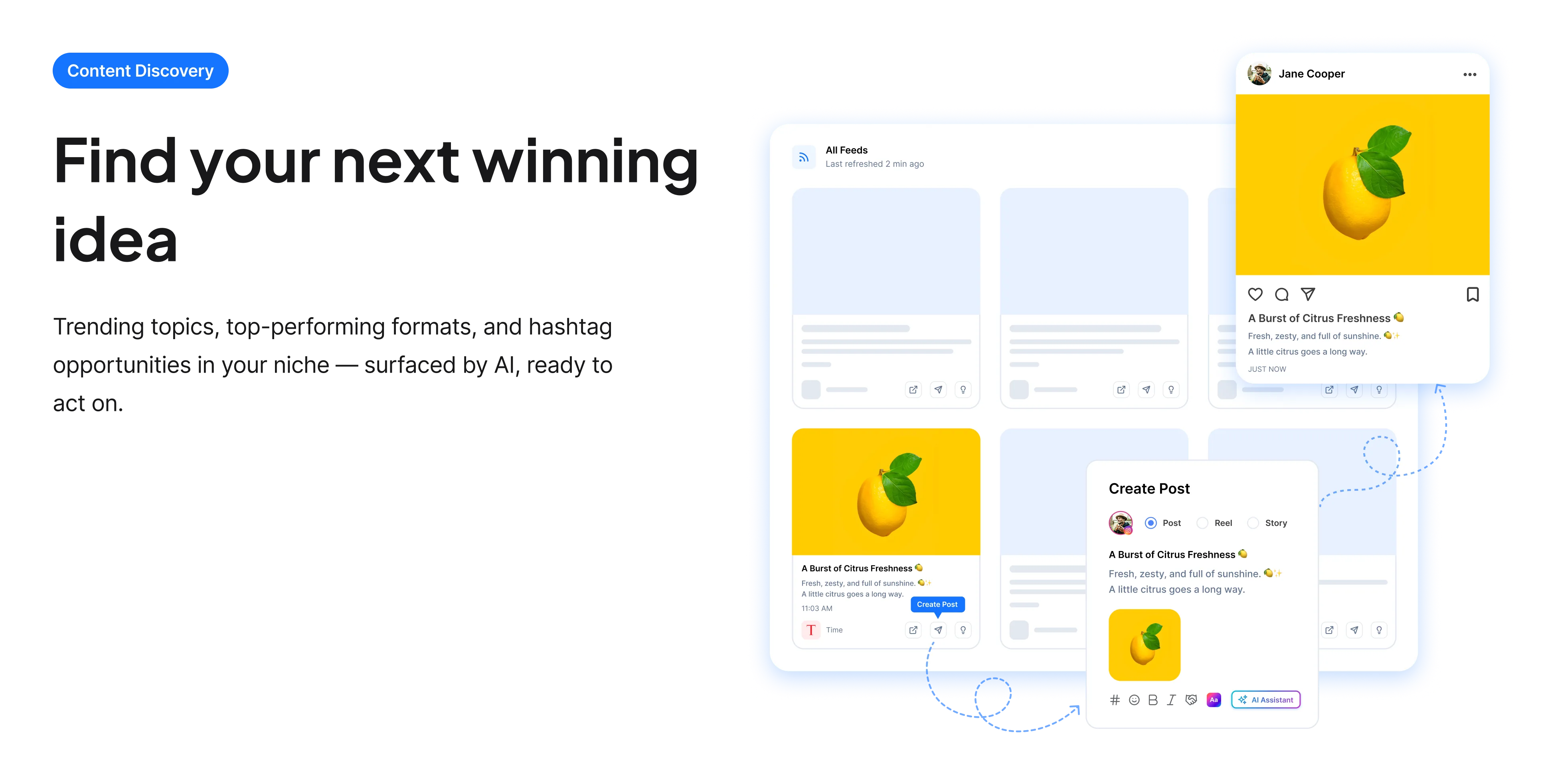
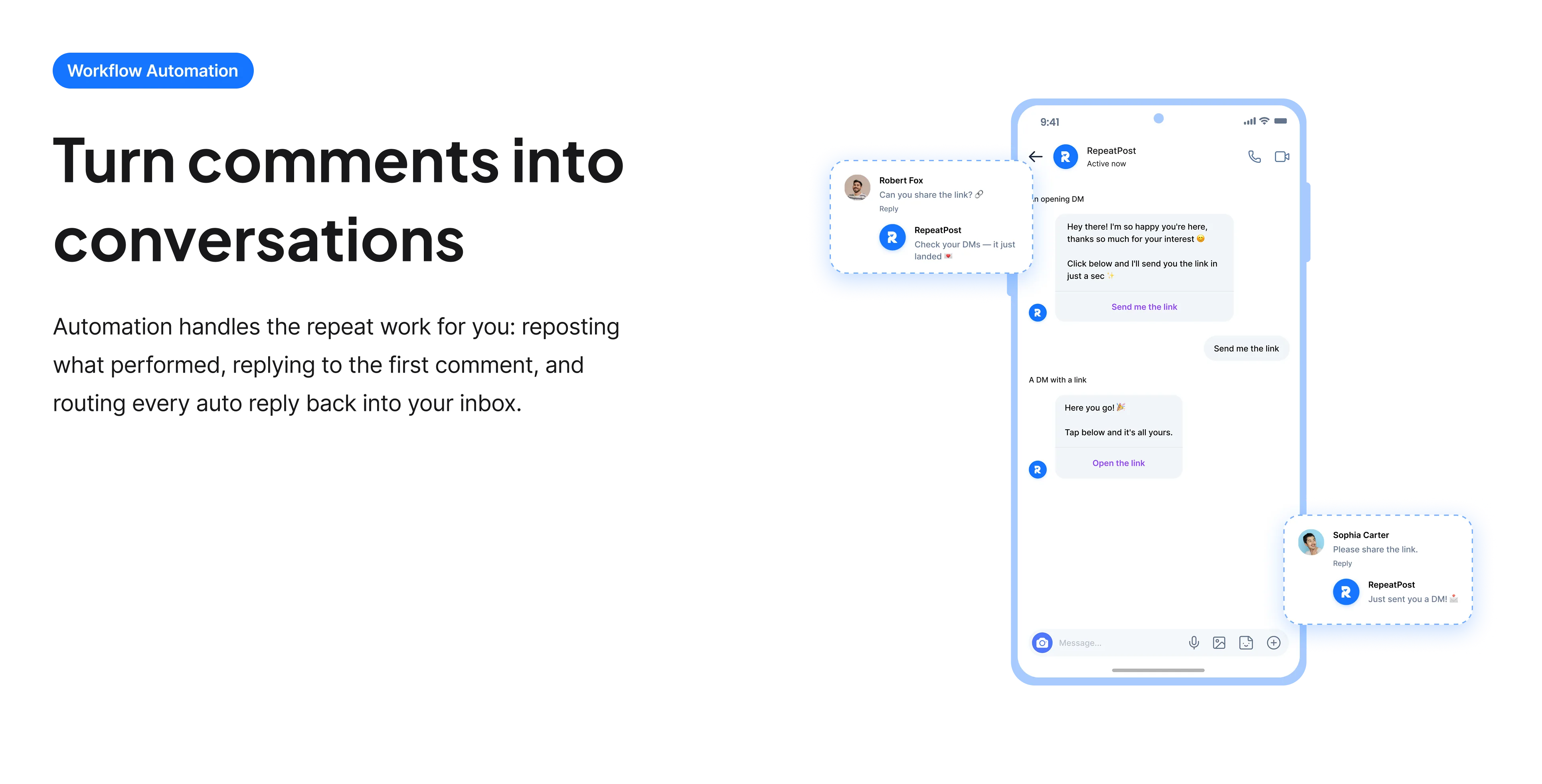
The free tools solve one task at a time. RepeatPost handles the whole loop: write the post, publish it everywhere, then see what landed.
Ready to get started?
The free tools are the warm up. RepeatPost plans, writes and publishes across every channel you post to.
Free plan to start
No credit card required
Cancel anytime
All about the blog outline generator
Structure is cheaper to fix than prose
The most common reason an article is hard to write is that its shape was never decided. You start writing, discover halfway through that two sections overlap or that the point arrives too late, and then either restructure a finished draft or publish something that wanders. Deciding the headings first makes those problems visible while they cost ten minutes to fix. An outline also makes it obvious where you have nothing to say, which is useful information before you have written three thousand words around the gap.
What a working outline contains
More than a list of headings.
- A heading structure where each section has a distinct job rather than restating its neighbour.
- A note under each heading saying what it covers, so you can see the gaps before writing.
- An order that builds, since a reader needs the earlier sections to understand the later ones.
- A stated angle, because an outline without one produces a summary rather than an article.
- A realistic length, since a fifteen section outline usually describes three articles.
- Somewhere obvious to put your own experience, which is the part no generator supplies.
Matching structure to intent
The format follows what the reader came to do.
- A how to guide moves in the order someone would actually perform the steps.
- An explainer motivates the concept before using it, since terminology introduced too early loses people.
- A comparison needs consistent criteria applied to each option, or it reads as a preference rather than an analysis.
- An argument states the position early and spends the body defending it.
- A list piece still needs judgment, since an unranked list of options helps nobody decide.
Who uses this tool
People who write regularly and get stuck at the start.
- Content marketers producing articles on a schedule.
- Founders writing about their own subject who know too much to organise it easily.
- Freelance writers working to a brief that specifies a topic and not a shape.
- Anyone whose drafts consistently run long and lose focus partway through.
- People repurposing a talk, a podcast or a thread into an article.
Outline types by format
The shape each format wants.
| Format | Structure | Ordering rule |
|---|---|---|
| How to guide | Sequential steps | The order of doing it |
| Explainer | Problem, concept, example | Motivate before defining |
| Comparison | Consistent criteria | Same tests for each option |
| Argument | Position then defence | State it early |
| List piece | Ranked or grouped | Judgment, not enumeration |
| Case study | Situation, action, result | Numbers where possible |
| Cost | Free | No account and no card |
| Rights to the output | Yours to use commercially | Including client work |
These map roughly onto search intent, which is what determines whether a search engine shows your article for a given query.
When this is not the right tool
An outline cannot supply expertise. It will produce a sensible structure for a subject you know nothing about, and filling it in will produce an article that summarises what already exists, which helps nobody and ranks poorly. The value is in organizing what you know rather than in substituting for it. If you have not chosen a topic yet, the blog ideas generator comes first, and to check whether anyone searches for the angle before committing, the keyword planner is the relevant tool.
How teams picture using RepeatPost
“Honestly, the calendar is what sold me. I could see every channel in one view and spot the week we'd gone quiet. Before this I was juggling three spreadsheets and a Slack thread. Now I plan the month on a Monday morning and I'm done by half ten.”
Hannah Whitfield
Marketing Manager
United KingdomJun 14, 2026“We run social for eleven clients and keeping them separate used to be a genuine anxiety of mine. Workspaces fixed that. Each client sits in their own space, approvals route to the right person, and I've stopped worrying that someone's going to push a dental practice promo to a restaurant account at 6am.”
Marcus Reed
Agency Owner
United StatesJun 29, 2026“I batch a fortnight of content on a Sunday arvo and then I don't think about it again. Reckon it's saved me a solid day a week. Only gripe is the mobile app still feels a step behind the web version, so I do the actual planning on my laptop. Everything else is spot on.”
Chloe Baxter
Content Creator
AustraliaJul 11, 2026“I'm handling social for four small brands and writing captions was eating my whole morning. The AI drafts are actually quite usable now. I still rewrite maybe every third one to sound like the client, but starting from something beats staring at a blank box. The hashtag tool alone I'm using daily.”
Ananya Raghavan
Freelance Social Media Manager
IndiaJul 30, 2026“I sell fabrics and my customers find me on Instagram mostly. Posting used to be whenever I remembered, which was maybe twice a week. Now I sit down every Sunday evening, load up two weeks, and it goes out on its own. Sales have followed. I'd like to see WhatsApp added properly, that's my one ask.”
Chidinma Eze
Small Business Owner
NigeriaAug 18, 2026“Our team is five people and we were losing posts in Slack threads. Someone would approve something, someone else would tweak it, and nobody knew which version went live. The approval flow sorted that in a week. Fair play, it's the least glamorous feature on the site and it's the one I'd miss most.”
Niamh Gallagher
Social Media Lead
IrelandSep 02, 2026FAQs
Frequently Asked
Questions
Because structural problems cost ten minutes to fix in a plan and an afternoon to fix in a finished draft. An outline also shows you where you have nothing to say before you have written three thousand words around the gap.
A note under each heading saying what it covers, a stated angle, and an order that builds. A bare list of headings looks like a plan without being one, since it hides whether the sections actually connect.
Considerably. A how to guide follows the order of doing something, an explainer motivates a concept before defining it, and a comparison applies consistent criteria to each option. The reader’s intent decides the shape.
Cut it. A heading you have nothing to say under becomes padding, and padding is what makes articles feel long and thin at the same time. A shorter piece that says something is better.
It produces the structure rather than the substance. Filling an outline on a subject you do not know produces a summary of what already exists, which helps nobody and ranks accordingly.
However many the argument needs, but a fifteen section outline usually describes three separate articles. If the structure sprawls, splitting it into a series is generally better than publishing one piece that covers everything shallowly.
Ready to grow on autopilot?
Create your free account and start managing 16+ channels with AI in minutes.
Get started for freeFree plan to start
No Credit Card Required
Cancel anytime