Keyword planner
Free Keyword Planner Tool
Most keyword research fails on intent rather than volume. A term with thousands of searches is worthless if the people typing it want something you are not offering, and matching intent is what this focuses on.
Also, you can check LinkedIn Keyword or YouTube Keyword or More
Terms grouped by what the searcher wants
Weighs competition against your realistic reach
Free to use, no account needed
These tools stay free because people chip in. Buy us a coffee ☕
Something broken, or a tool you wish we had? Tell us what you need


More free tools
People who use the Keyword Planner Tool also reach for these
Every tool here is free, runs in your browser and needs no account.
Inside RepeatPost
What you get when the free tool is not enough
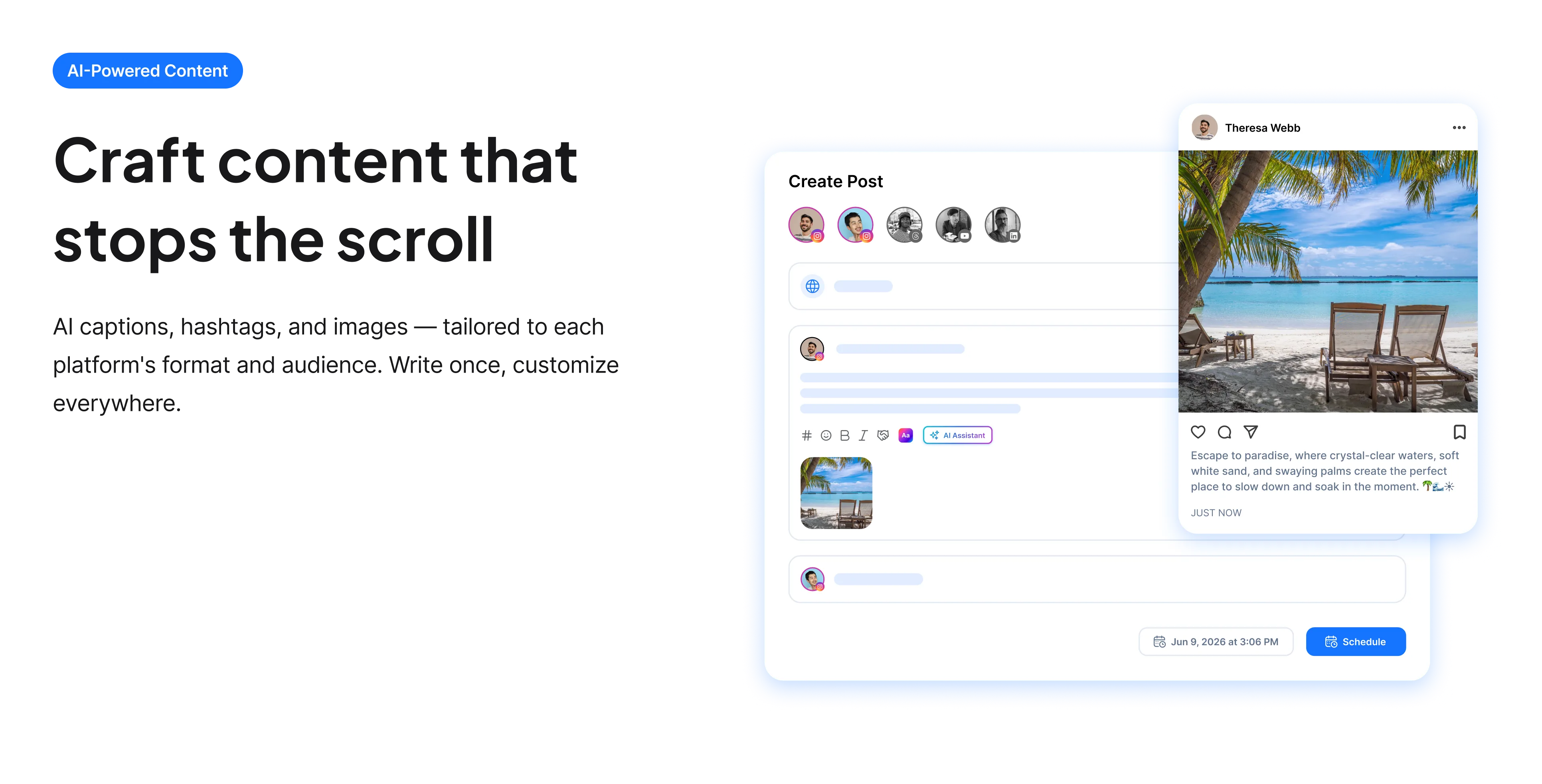
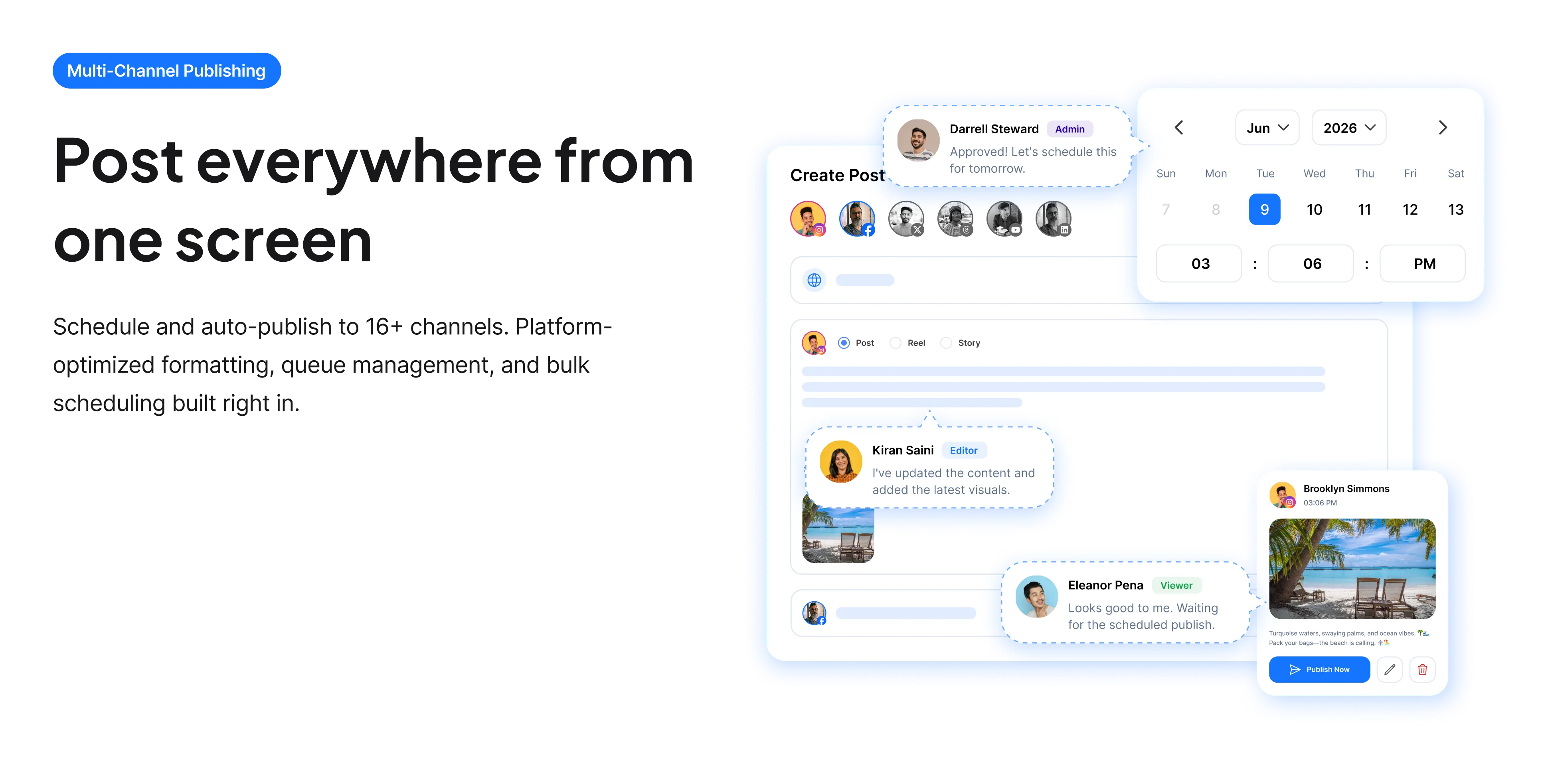
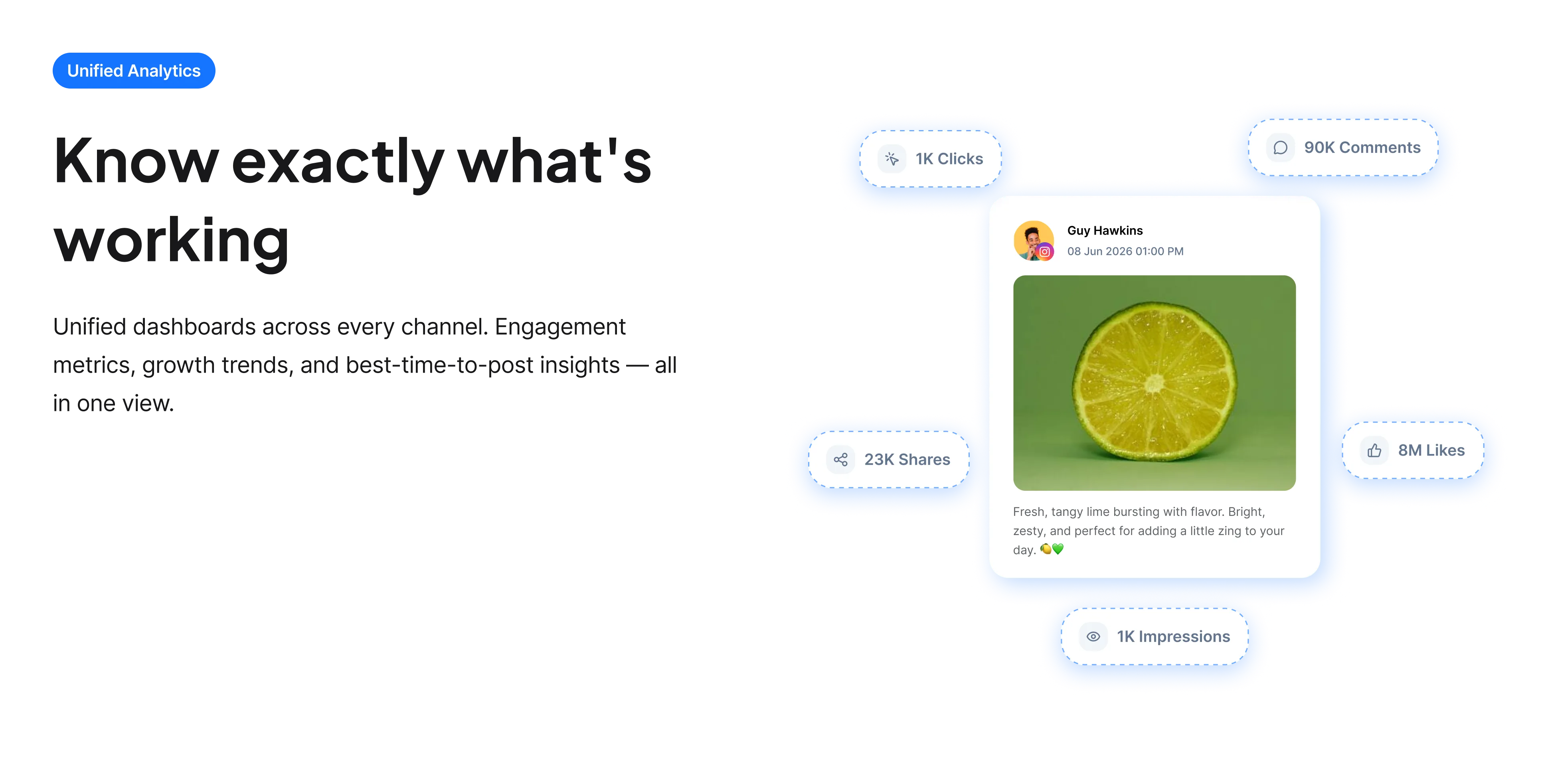
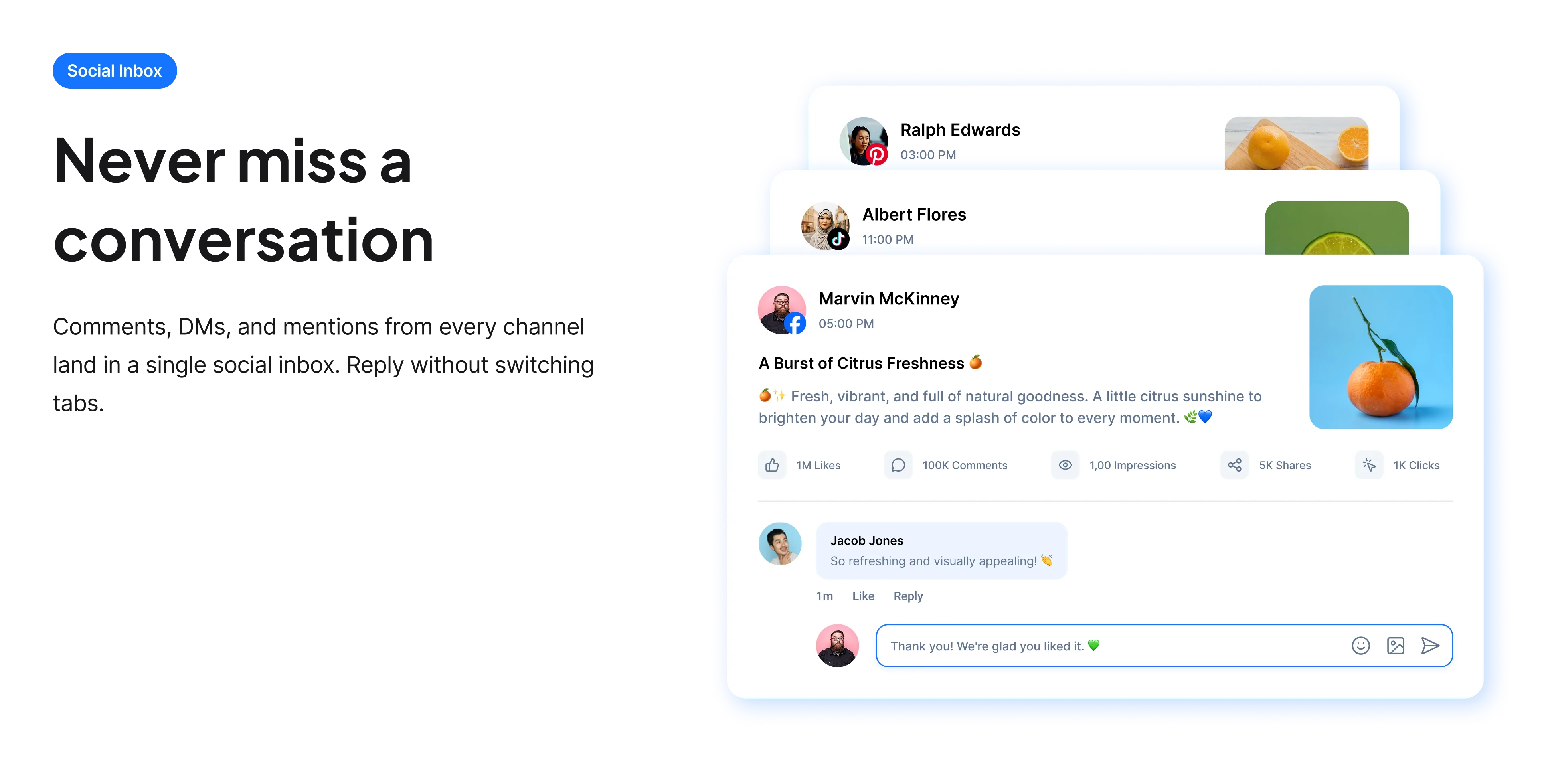
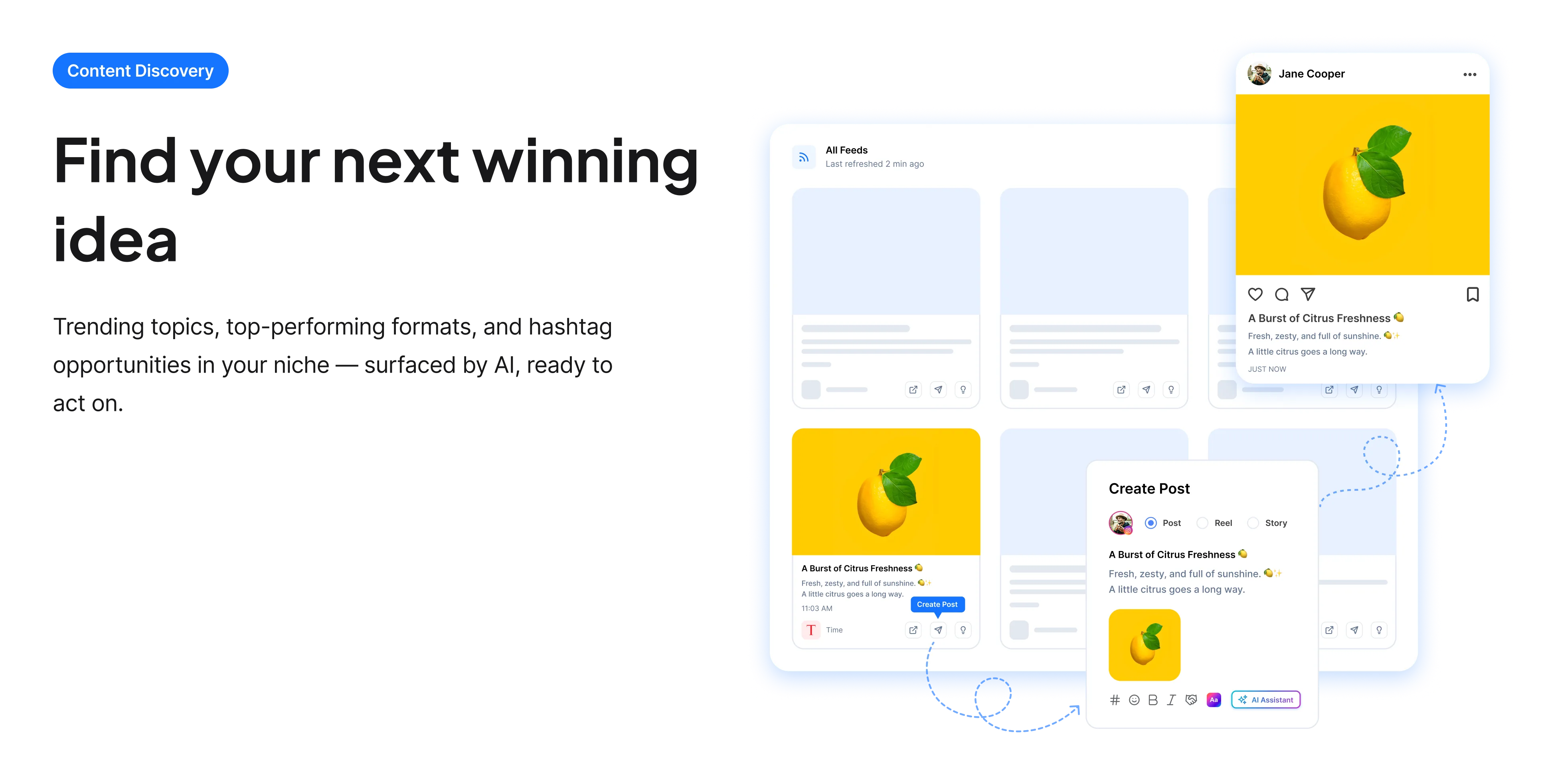
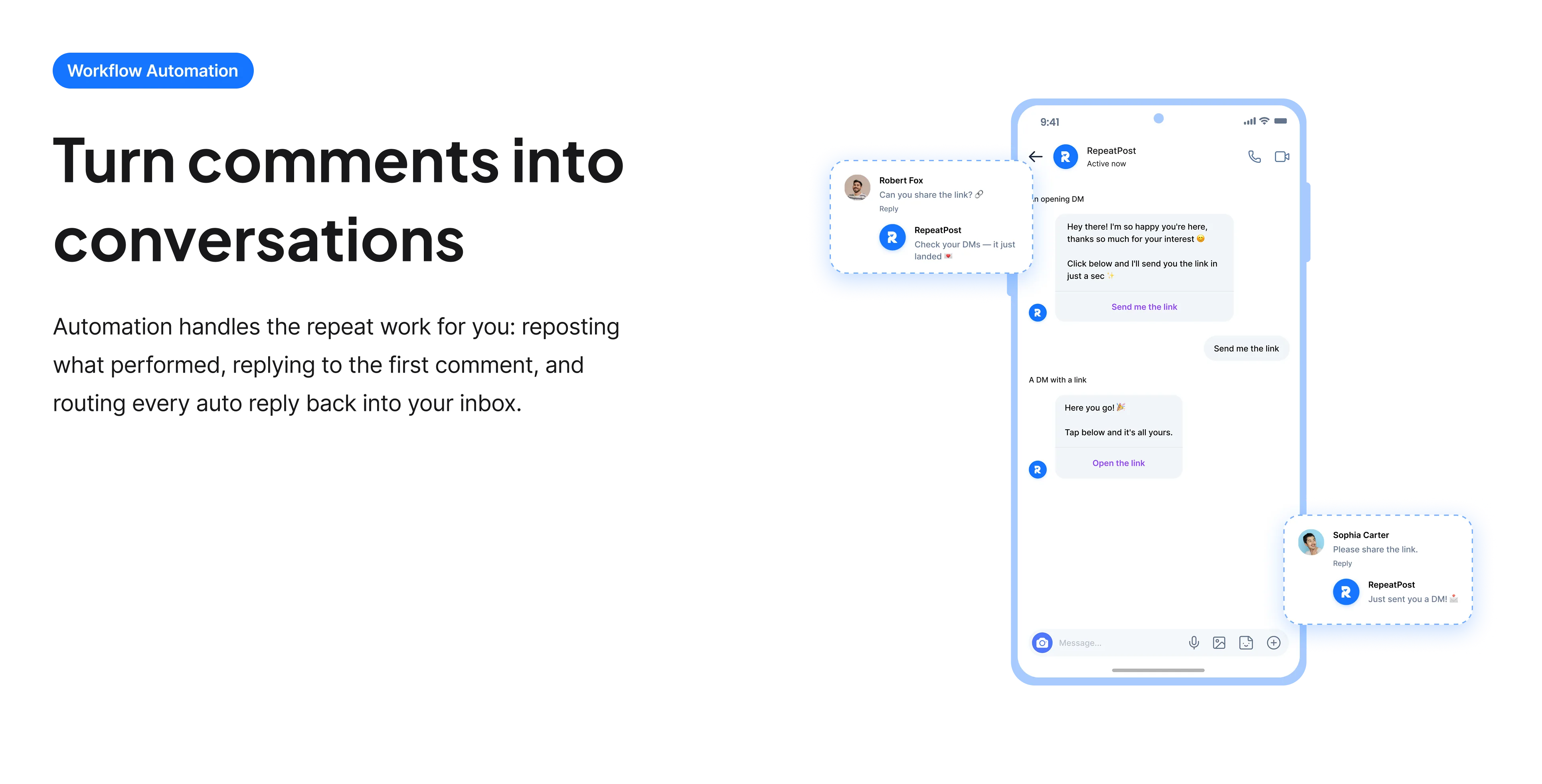
The free tools solve one task at a time. RepeatPost handles the whole loop: write the post, publish it everywhere, then see what landed.
Ready to get started?
The free tools are the warm up. RepeatPost plans, writes and publishes across every channel you post to.
Free plan to start
No credit card required
Cancel anytime
All about the keyword planner
Intent matters more than volume
The most common keyword research mistake is choosing terms by search volume alone. A keyword only has value if the person typing it wants what you have. Search intent falls into rough groups: informational queries where someone wants to understand something, commercial ones where they are comparing options, and transactional ones where they are ready to act. A page written as a guide will not rank for a transactional query no matter how good it is, because the search engine has learned that people typing that phrase want a product page instead.
How to choose keywords properly
Volume is the last thing to look at, not the first.
- Identify the intent first. Look at what already ranks for the term, because that tells you what the search engine thinks people want.
- Match the page type to the intent. Guides for informational queries, comparisons for commercial ones, product pages for transactional ones.
- Assess competition realistically. If the first page is entirely established authority sites, a new site is not going to displace them.
- Prefer specific terms. Longer, more precise queries have less volume and much better conversion, because the person knows what they want.
- Cluster related terms into one strong page rather than splitting them across several thin ones.
- Check the term is a real question people ask rather than a phrase that only makes sense internally.
Building clusters rather than lists
This is the structural decision that separates working content strategies from keyword spreadsheets.
- Group closely related queries that share an intent, since they usually want the same page rather than several.
- Write one substantial page covering the cluster instead of a thin page per variation, which reads as scaled content.
- Link related pages together so the relationship between topics is visible.
- Cover the subject completely rather than repeating the keyword. Search engines understand synonyms, and repetition does not help.
- Update pages rather than writing new ones for the same topic, since competing against yourself splits the signal.
Who uses this tool
Anyone deciding what to write rather than how to write it.
- Content marketers planning what to publish next quarter.
- Small business owners deciding which pages their site actually needs.
- Bloggers looking for topics they can realistically rank for.
- Ecommerce teams working out which category and comparison pages to build.
- Anyone whose content gets published and then gets no traffic.
Search intent reference
The intent types and what each one needs.
| Intent | What they want | Page format |
|---|---|---|
| Informational | To understand something | Guide or explainer |
| Commercial | To compare options | Comparison or review |
| Transactional | To act or buy | Product or signup page |
| Navigational | A specific site | Usually not worth targeting |
| How to identify it | Look at what ranks | The results reveal the intent |
| Long tail terms | Lower volume | Higher conversion |
| Clustering | Group related queries | One strong page, not many thin |
| Live volume data | Not included | Use a dedicated SEO platform |
This tool suggests terms and intent groupings rather than live search volume, which requires access to search engine data that paid SEO platforms provide.
When this is not the right tool
It does not provide live search volume or difficulty scores, which come from paid SEO platforms with access to that data. Use this to think about topics and intent, then verify with a proper tool before committing to a large content program. Keyword research also cannot fix a site with technical problems or no authority: ranking depends on a working site and earned links as much as on topic choice. For social platform search specifically, the platform tools such as the YouTube keyword tool are more directly useful, and for the metadata on the pages you build, the meta tags generator.
How teams picture using RepeatPost
“Honestly, the calendar is what sold me. I could see every channel in one view and spot the week we'd gone quiet. Before this I was juggling three spreadsheets and a Slack thread. Now I plan the month on a Monday morning and I'm done by half ten.”
Hannah Whitfield
Marketing Manager
United KingdomJun 14, 2026“We run social for eleven clients and keeping them separate used to be a genuine anxiety of mine. Workspaces fixed that. Each client sits in their own space, approvals route to the right person, and I've stopped worrying that someone's going to push a dental practice promo to a restaurant account at 6am.”
Marcus Reed
Agency Owner
United StatesJun 29, 2026“I batch a fortnight of content on a Sunday arvo and then I don't think about it again. Reckon it's saved me a solid day a week. Only gripe is the mobile app still feels a step behind the web version, so I do the actual planning on my laptop. Everything else is spot on.”
Chloe Baxter
Content Creator
AustraliaJul 11, 2026“I'm handling social for four small brands and writing captions was eating my whole morning. The AI drafts are actually quite usable now. I still rewrite maybe every third one to sound like the client, but starting from something beats staring at a blank box. The hashtag tool alone I'm using daily.”
Ananya Raghavan
Freelance Social Media Manager
IndiaJul 30, 2026“I sell fabrics and my customers find me on Instagram mostly. Posting used to be whenever I remembered, which was maybe twice a week. Now I sit down every Sunday evening, load up two weeks, and it goes out on its own. Sales have followed. I'd like to see WhatsApp added properly, that's my one ask.”
Chidinma Eze
Small Business Owner
NigeriaAug 18, 2026“Our team is five people and we were losing posts in Slack threads. Someone would approve something, someone else would tweak it, and nobody knew which version went live. The approval flow sorted that in a week. Fair play, it's the least glamorous feature on the site and it's the one I'd miss most.”
Niamh Gallagher
Social Media Lead
IrelandSep 02, 2026FAQs
Frequently Asked
Questions
Because a high volume term is worthless if the people typing it want something you are not offering. A guide will not rank for a transactional query, since the search engine has learned those searchers want a product page instead.
Look at what already ranks for it. The existing results tell you what the search engine has concluded people want, and matching that format is more reliable than guessing from the wording of the query alone.
No. Group closely related queries into one substantial page, because variations of the same question usually want the same answer. A thin page per variation reads as scaled content and competes against itself.
Usually yes, particularly for a smaller site. They have lower volume but far better conversion, because the person typing a specific query already knows what they want, and competition for them is much more manageable.
No. Live volume and difficulty scores require access to search engine data that paid SEO platforms provide. Use this for topic and intent thinking, then verify with a dedicated tool before committing to a large program.
No. Ranking also depends on a technically sound site, genuine authority and earned links. Keyword research tells you what to write about, which matters, but it cannot compensate for a site search engines have no reason to trust.
Ready to grow on autopilot?
Create your free account and start managing 16+ channels with AI in minutes.
Get started for freeFree plan to start
No Credit Card Required
Cancel anytime