Bold & Italic Text Generator
Free Bold & Italic Text Generator
Social platforms give you no formatting buttons, so the only way to get bold text into a bio is to use Unicode characters that are already bold. Type here, copy the result, and it keeps its styling wherever you paste it.
Bold text
Italic text
Bold & italic text
Runs in your browser, nothing to install
Your text stays on your device
Free to use, no account needed
These tools stay free because people chip in. Buy us a coffee ☕
Something broken, or a tool you wish we had? Tell us what you need


More free tools
People who use the Bold & Italic Text Generator also reach for these
Every tool here is free, runs in your browser and needs no account.
Inside RepeatPost
What you get when the free tool is not enough
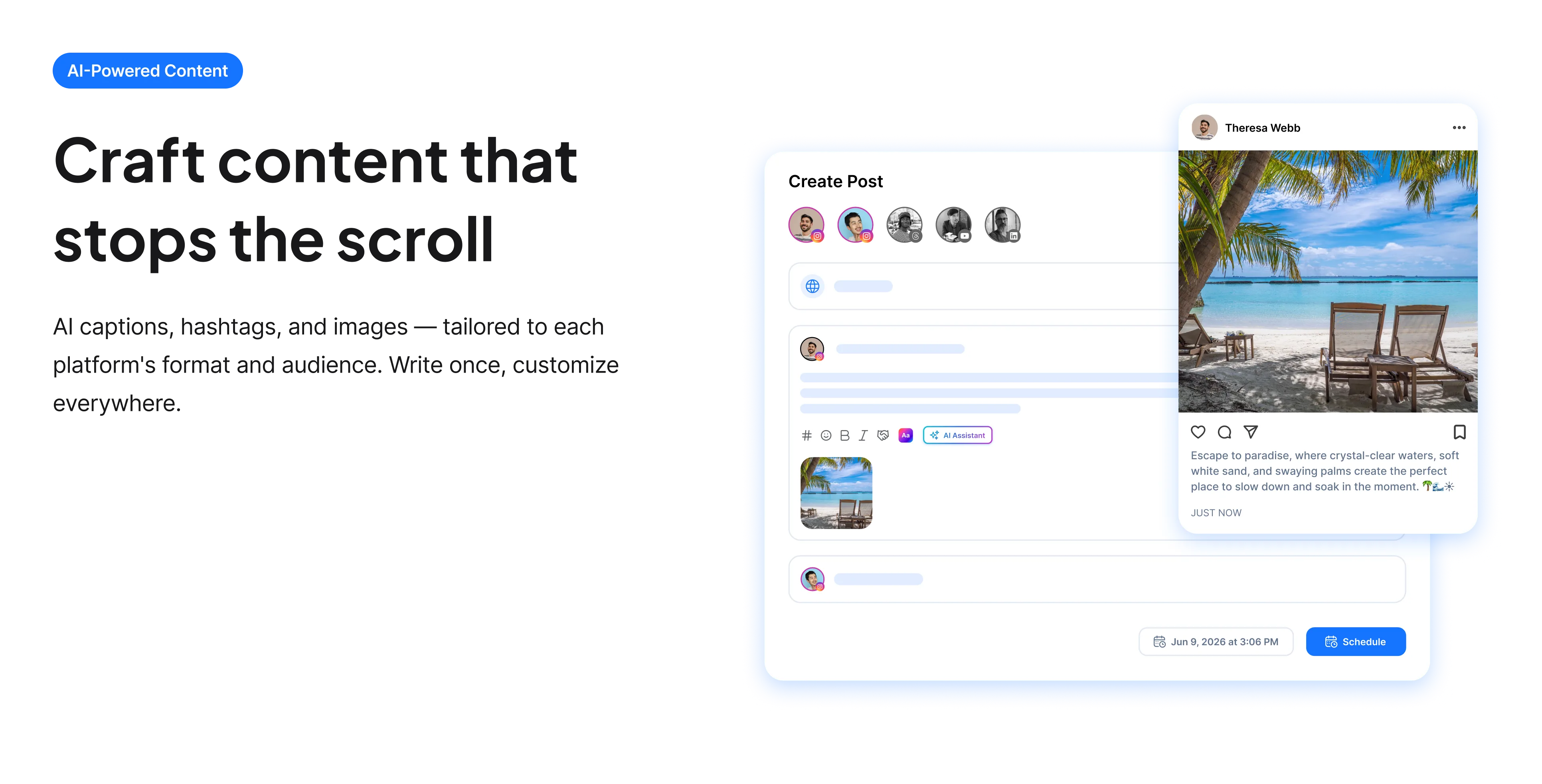
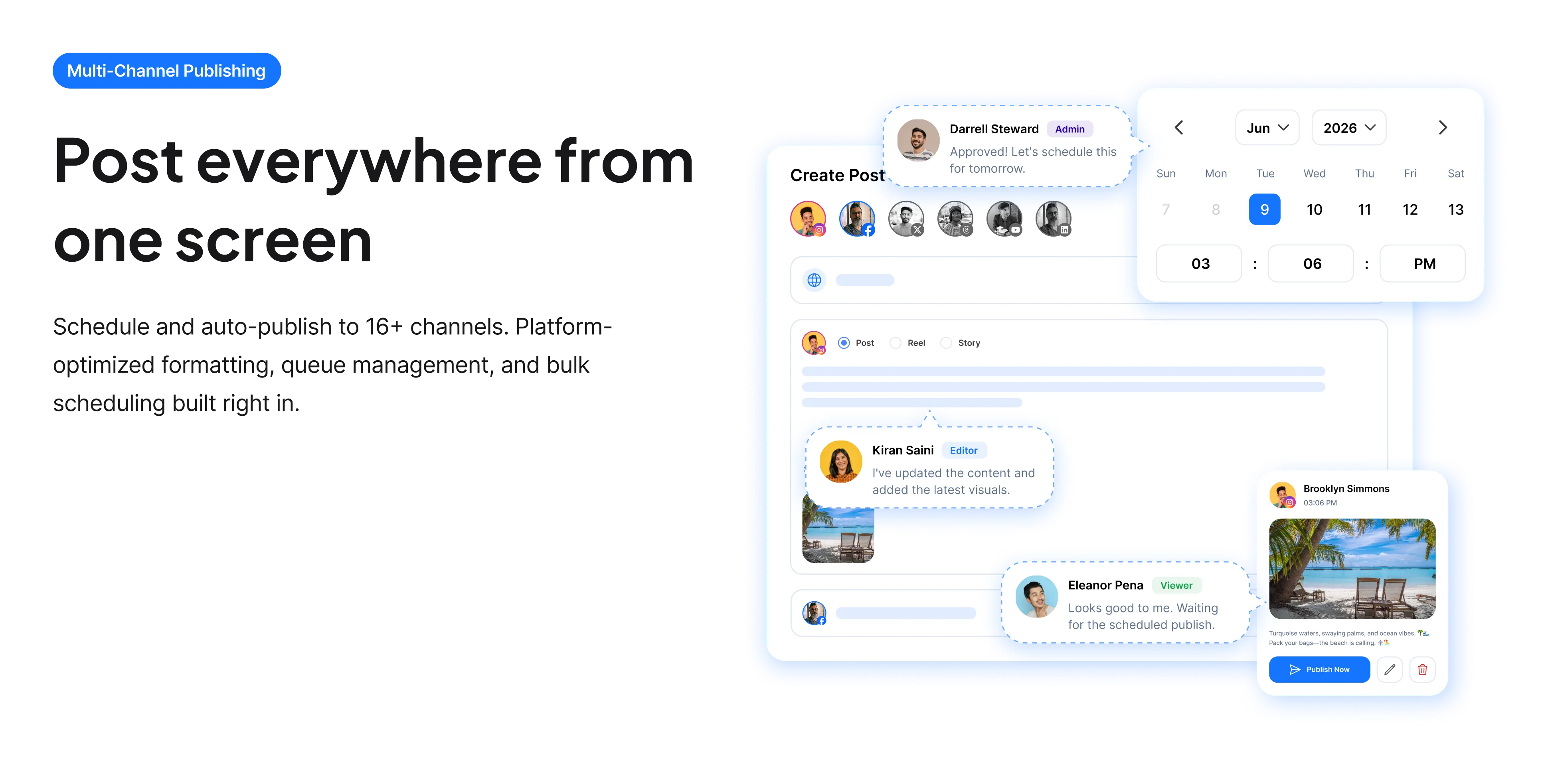
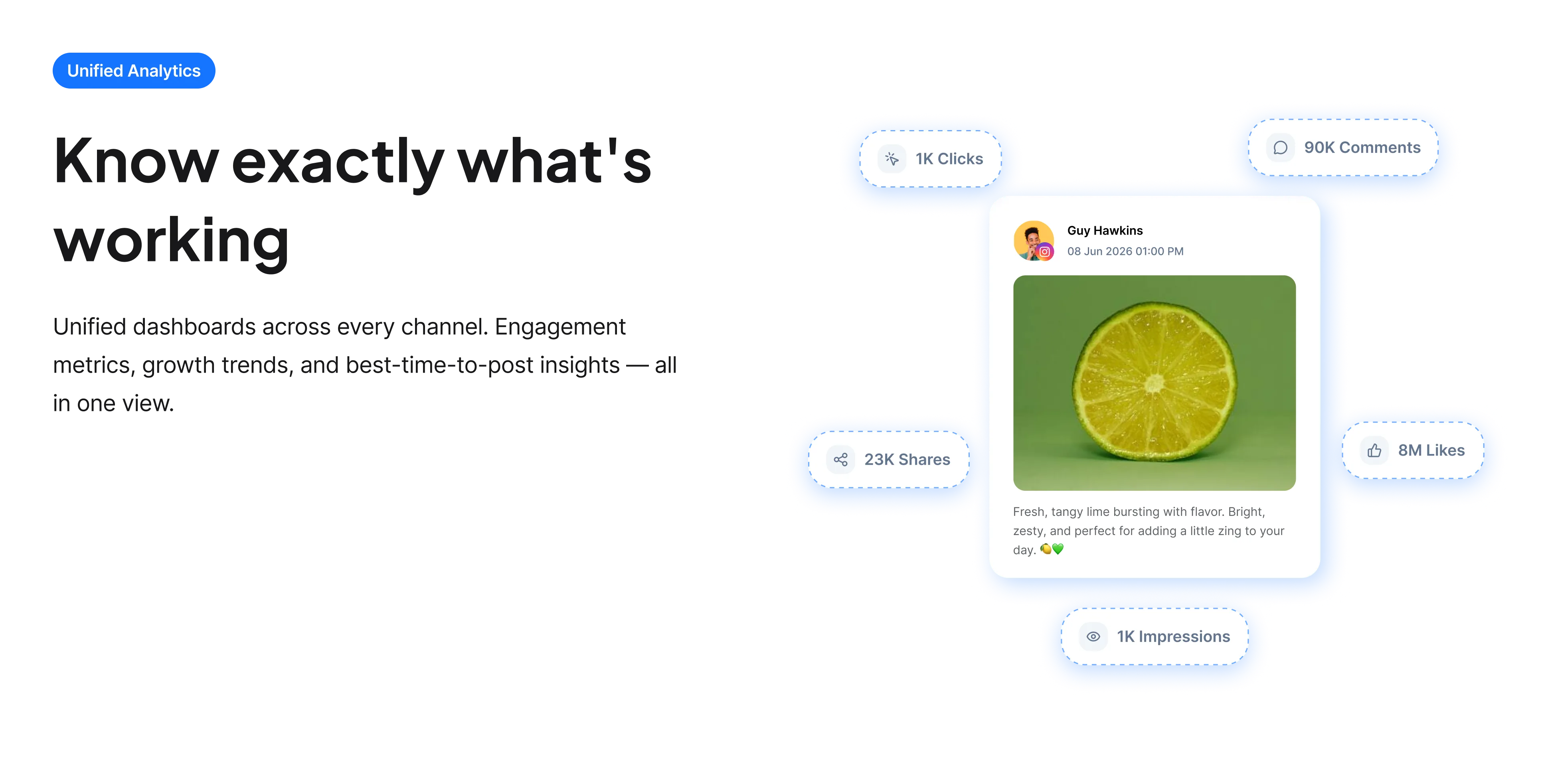
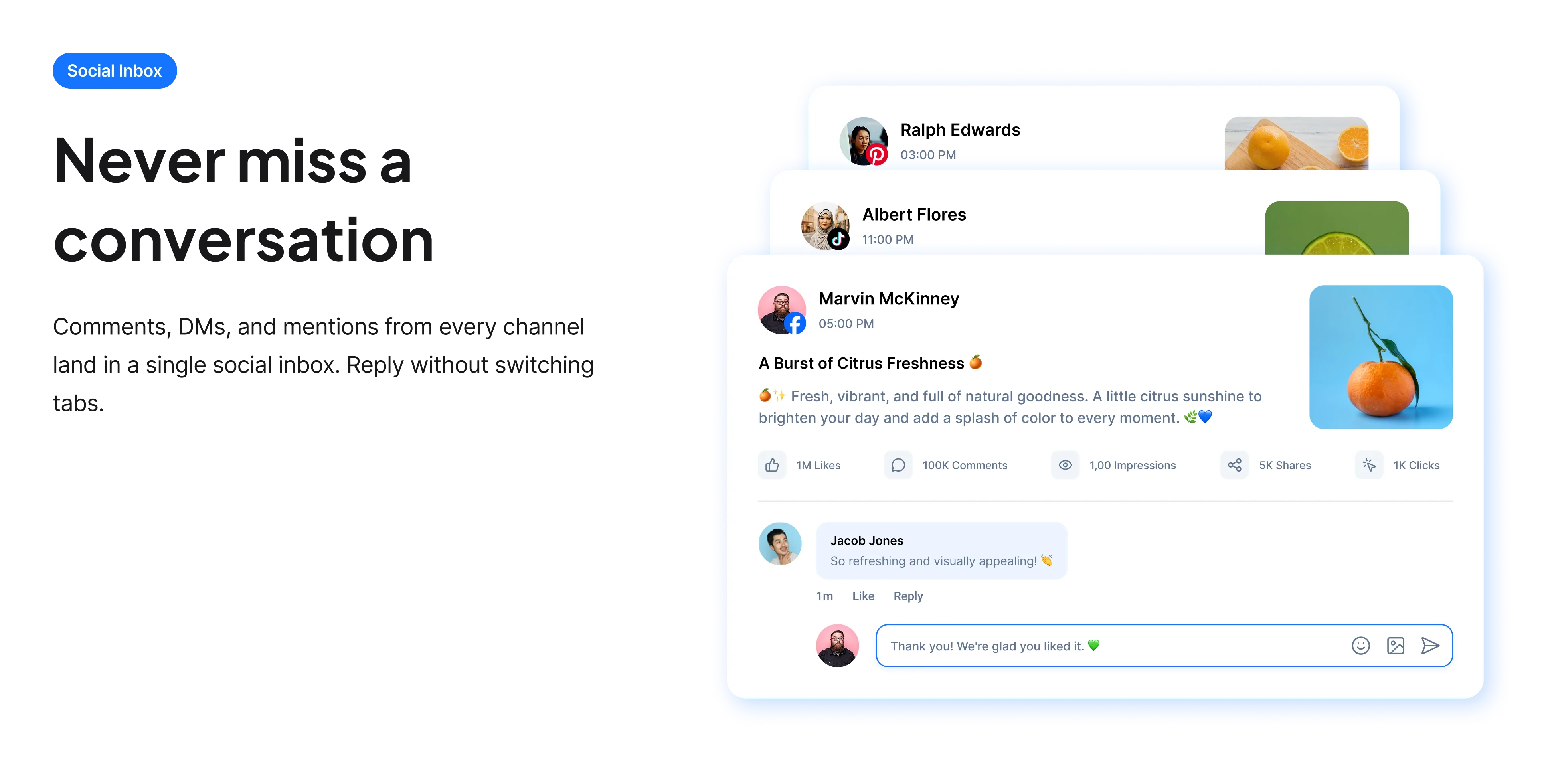
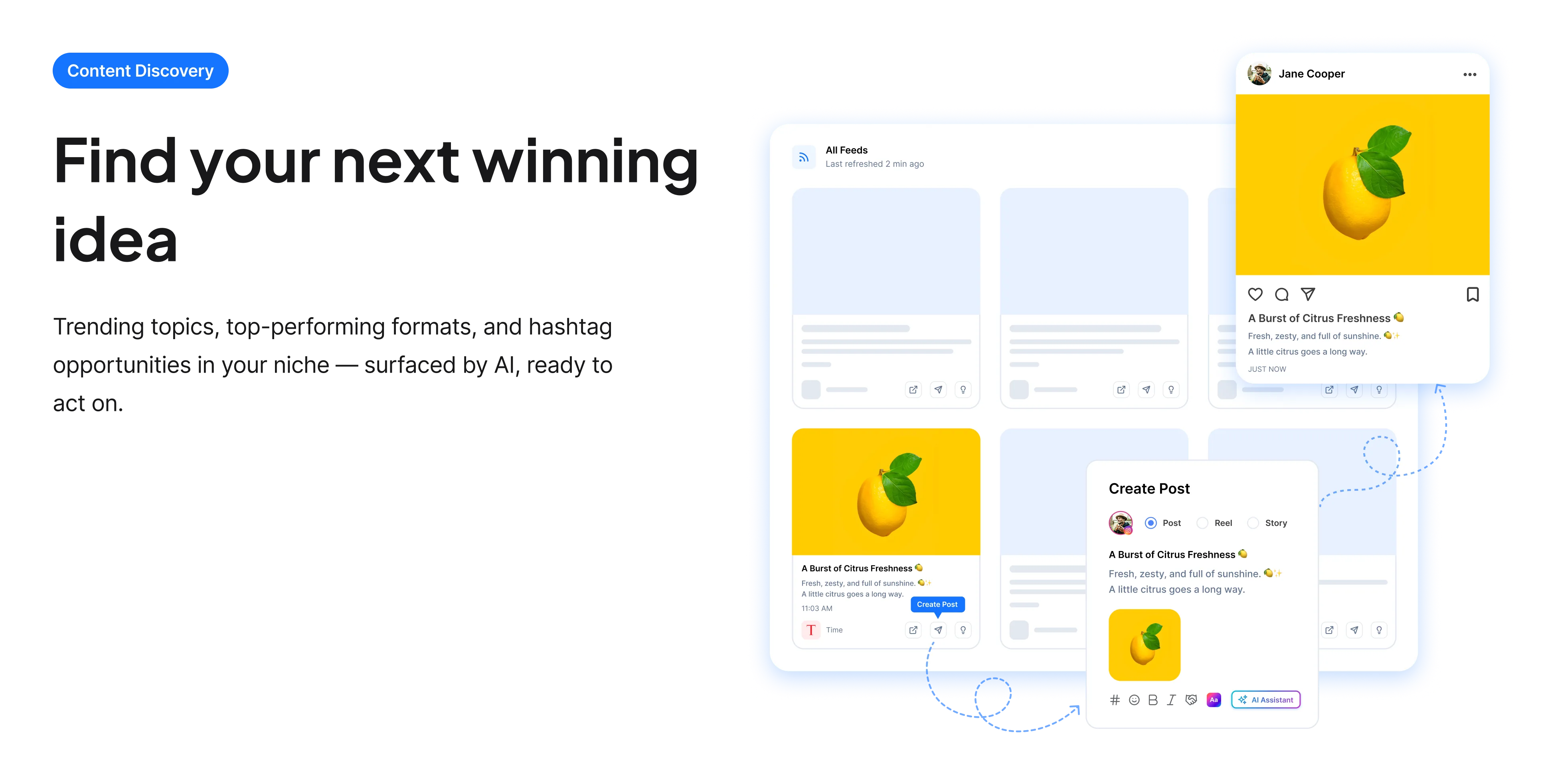
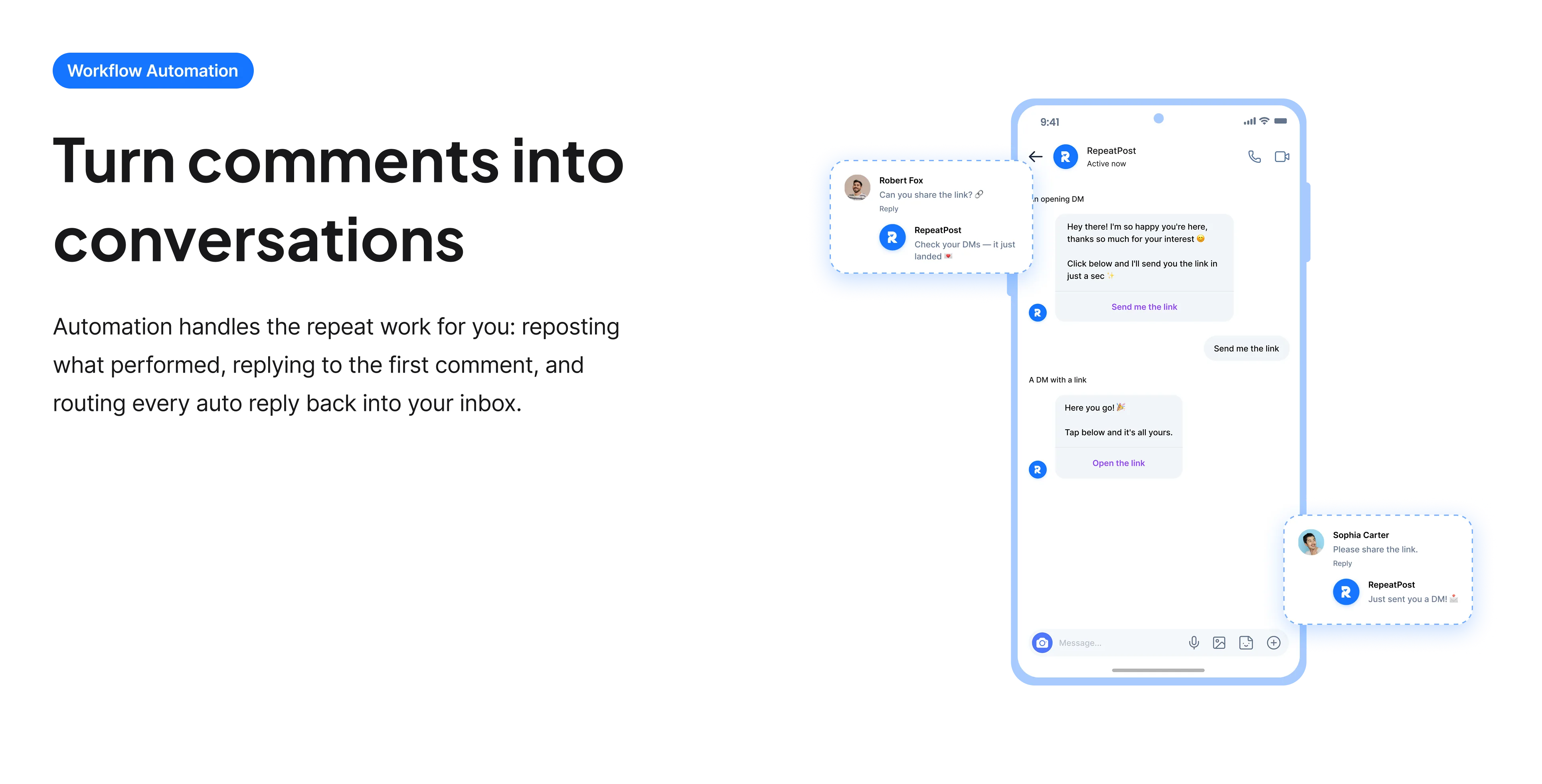
The free tools solve one task at a time. RepeatPost handles the whole loop: write the post, publish it everywhere, then see what landed.
Ready to get started?
The free tools are the warm up. RepeatPost plans, writes and publishes across every channel you post to.
Free plan to start
No credit card required
Cancel anytime
All about the bold and italic text generator
How does bold text work in a bio with no formatting button?
It is not formatting at all. Unicode contains complete alphabets of characters that are already bold, italic or script shaped, originally added for mathematical notation. This tool maps each letter you type onto its counterpart in one of those blocks, so a bold looking A is a genuinely different character from a normal A. Because the styling lives in the character itself rather than in markup, it survives being pasted anywhere, which is exactly why it works in places that offer no formatting controls.
How to use styled text well
It works everywhere, which is precisely why it is easy to overuse.
- Style two or three words, not a whole bio. The effect comes from contrast, and a fully bold bio has none.
- Use it on the one line that matters, usually what you do or what you are offering.
- Test it on a phone before committing. Some styles fall back to boxes on certain devices, and the script variants are the most fragile.
- Keep your name in normal characters. Search matches on the actual letters, and a styled name can stop people finding you.
- Never style a call to action you want people to search for or retype, since the characters will not match what they type.
The accessibility trade off, stated plainly
This tool has a real cost that most pages about it never mention, and you should decide with the information rather than without it.
- Screen readers do not read these characters as letters. A bold H may be announced as "mathematical bold capital H", so a styled sentence can be read out as a string of Unicode names.
- Some readers skip the characters entirely, which means a styled line can be silently missing for that user rather than merely awkward.
- Search does not match styled text against normal text, so a styled keyword in your bio does not help anyone find you.
- The practical rule is to style decoration and never information. A styled arrow or a styled brand flourish costs nothing; a styled description of your services costs you the people using a screen reader.
- If you want emphasis without the cost, line breaks and spacing do most of the same work and stay fully readable.
Who uses this tool
Anywhere a platform gives you plain text and no formatting.
- Creators structuring an Instagram bio, where a styled first line separates the identity from the pitch.
- People writing LinkedIn headlines and About sections who want one line to stand out in a wall of text.
- Community managers formatting announcement posts on platforms with no rich text support.
- Anyone building a link in bio landing page where the platform strips markup.
- Sellers writing marketplace listings that allow no formatting but do accept Unicode.
Style support and behavior
What each style is underneath, and how reliably it renders.
| Style | Rendering | Screen reader impact |
|---|---|---|
| Bold | Very widely supported | Announced as Unicode names |
| Italic | Widely supported | Announced as Unicode names |
| Bold italic | Widely supported | Announced as Unicode names |
| Script and cursive | Patchier on older devices | Often skipped entirely |
| Numbers | Not available in every style | May fall back to plain digits |
| Searchability | Not matched by search | Keep keywords unstyled |
| Where it works | Bios, captions, comments, names | Anywhere accepting plain text |
| Processing | Entirely in your browser | Nothing is sent anywhere |
Rendering depends on the reader’s device and font rather than on the platform, so the same bio can look different on two phones. Checked in September 2026.
When this is not the right tool
Do not use it for anything that carries information people need. If the styled line is the one explaining what you sell, you have made that line unreadable for anyone using a screen reader and invisible to search at the same time. Avoid it entirely in accessibility sensitive contexts such as public sector, healthcare and education accounts, where it is a genuine barrier rather than a stylistic choice. If what you actually want is a bio that reads well in clean spacing, the Instagram line breaker gets you further, and the Instagram bio generator handles the words themselves.
How teams picture using RepeatPost
“Honestly, the calendar is what sold me. I could see every channel in one view and spot the week we'd gone quiet. Before this I was juggling three spreadsheets and a Slack thread. Now I plan the month on a Monday morning and I'm done by half ten.”
Hannah Whitfield
Marketing Manager
United KingdomJun 14, 2026“We run social for eleven clients and keeping them separate used to be a genuine anxiety of mine. Workspaces fixed that. Each client sits in their own space, approvals route to the right person, and I've stopped worrying that someone's going to push a dental practice promo to a restaurant account at 6am.”
Marcus Reed
Agency Owner
United StatesJun 29, 2026“I batch a fortnight of content on a Sunday arvo and then I don't think about it again. Reckon it's saved me a solid day a week. Only gripe is the mobile app still feels a step behind the web version, so I do the actual planning on my laptop. Everything else is spot on.”
Chloe Baxter
Content Creator
AustraliaJul 11, 2026“I'm handling social for four small brands and writing captions was eating my whole morning. The AI drafts are actually quite usable now. I still rewrite maybe every third one to sound like the client, but starting from something beats staring at a blank box. The hashtag tool alone I'm using daily.”
Ananya Raghavan
Freelance Social Media Manager
IndiaJul 30, 2026“I sell fabrics and my customers find me on Instagram mostly. Posting used to be whenever I remembered, which was maybe twice a week. Now I sit down every Sunday evening, load up two weeks, and it goes out on its own. Sales have followed. I'd like to see WhatsApp added properly, that's my one ask.”
Chidinma Eze
Small Business Owner
NigeriaAug 18, 2026“Our team is five people and we were losing posts in Slack threads. Someone would approve something, someone else would tweak it, and nobody knew which version went live. The approval flow sorted that in a week. Fair play, it's the least glamorous feature on the site and it's the one I'd miss most.”
Niamh Gallagher
Social Media Lead
IrelandSep 02, 2026FAQs
Frequently Asked
Questions
The characters themselves are different. Unicode includes alphabets that are already bold or italic, added originally for mathematical notation. The tool swaps your letters for those, so the styling is part of the text rather than formatting applied to it.
Yes. Because the output is ordinary text as far as the platform is concerned, it pastes into bios, captions, comments and display names on essentially any service. Rendering depends on the reader’s device font rather than on the platform.
Yes, genuinely. Screen readers announce these characters by their Unicode names or skip them altogether, so a styled sentence can be unreadable or silent. Style decoration and short flourishes, never the line that explains what you actually do.
It does. Search matches the actual characters, and a styled keyword does not match the normal one someone types. Keep your name, your niche and anything you want to be found for in ordinary characters.
That means the device font has no glyph for that character. Script and cursive styles are the most affected, especially on older phones. Test on a real device before committing, and pick a more widely supported style if you see boxes.
No. The character mapping happens in your browser, so nothing you type is transmitted or stored. This is one of the tools here that works entirely offline once the page has loaded.
Ready to grow on autopilot?
Create your free account and start managing 16+ channels with AI in minutes.
Get started for freeFree plan to start
No Credit Card Required
Cancel anytime