X (Twitter) competitor analytics tool
Free X (Twitter) Competitor Analytics Tool
On X, posting volume and reply behavior explain more than follower counts do. Accounts that grow tend to post often and reply constantly. Enter a public handle and see what an account actually does.

Also, you can check Facebook competitor analytics or Instagram competitor analytics or More
Posting volume and reply ratio, not just followers
Shows how much they use threads
Free to use, no account needed
These tools stay free because people chip in. Buy us a coffee ☕
Something broken, or a tool you wish we had? Tell us what you need


More free tools
People who use the Twitter Competitor Analytics Tool also reach for these
Every tool here is free, runs in your browser and needs no account.
Inside RepeatPost
What you get when the free tool is not enough
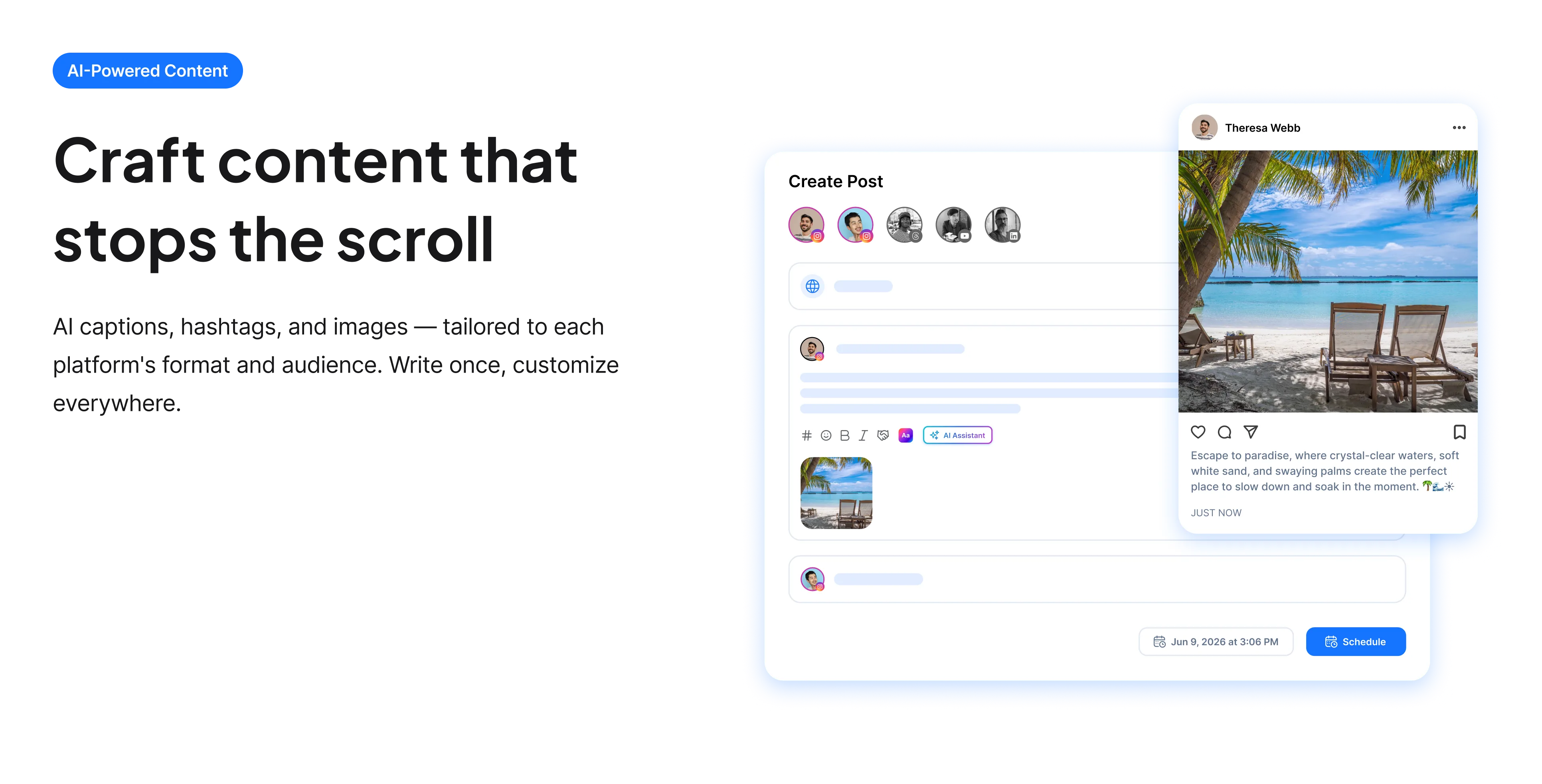
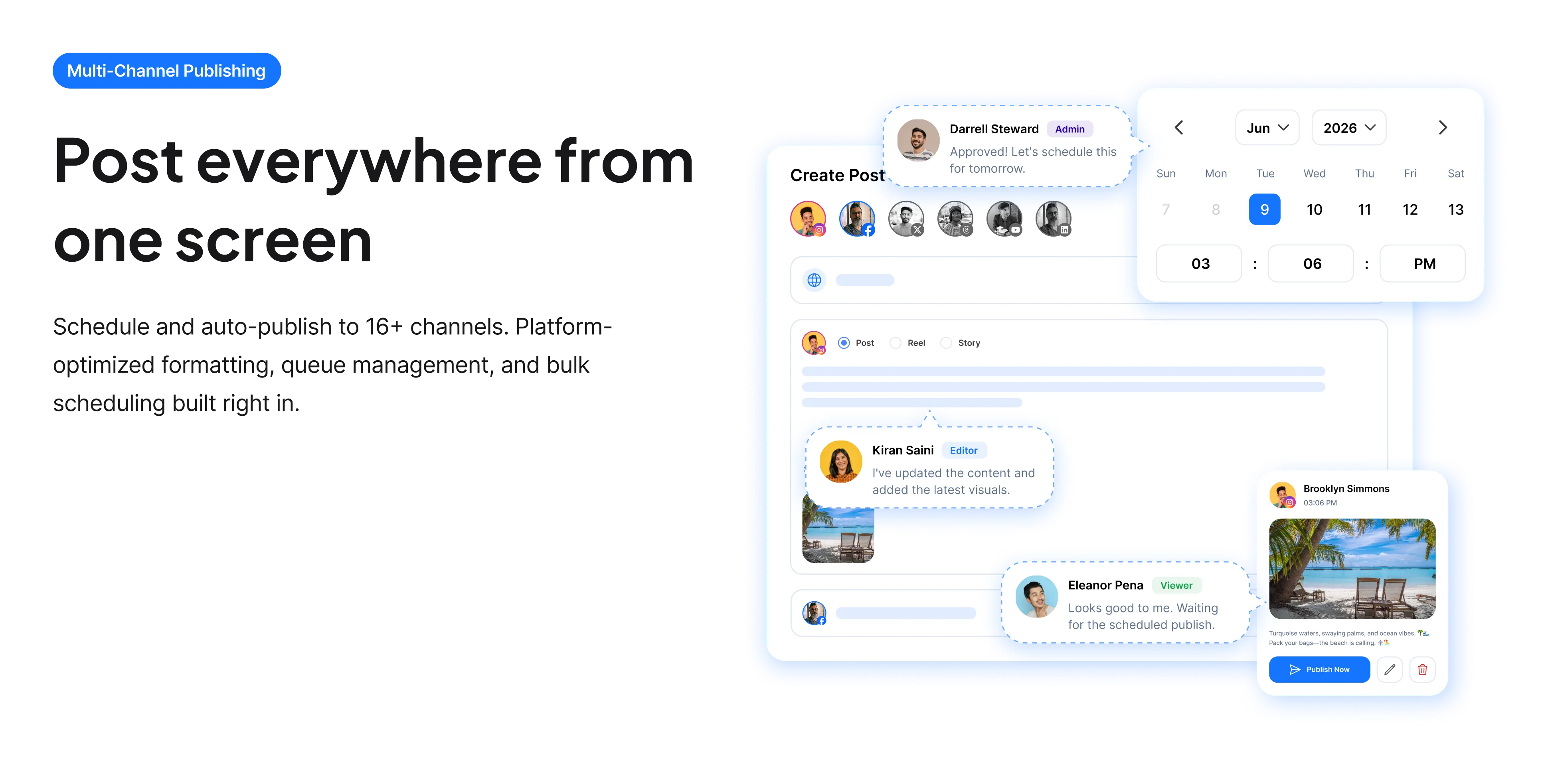
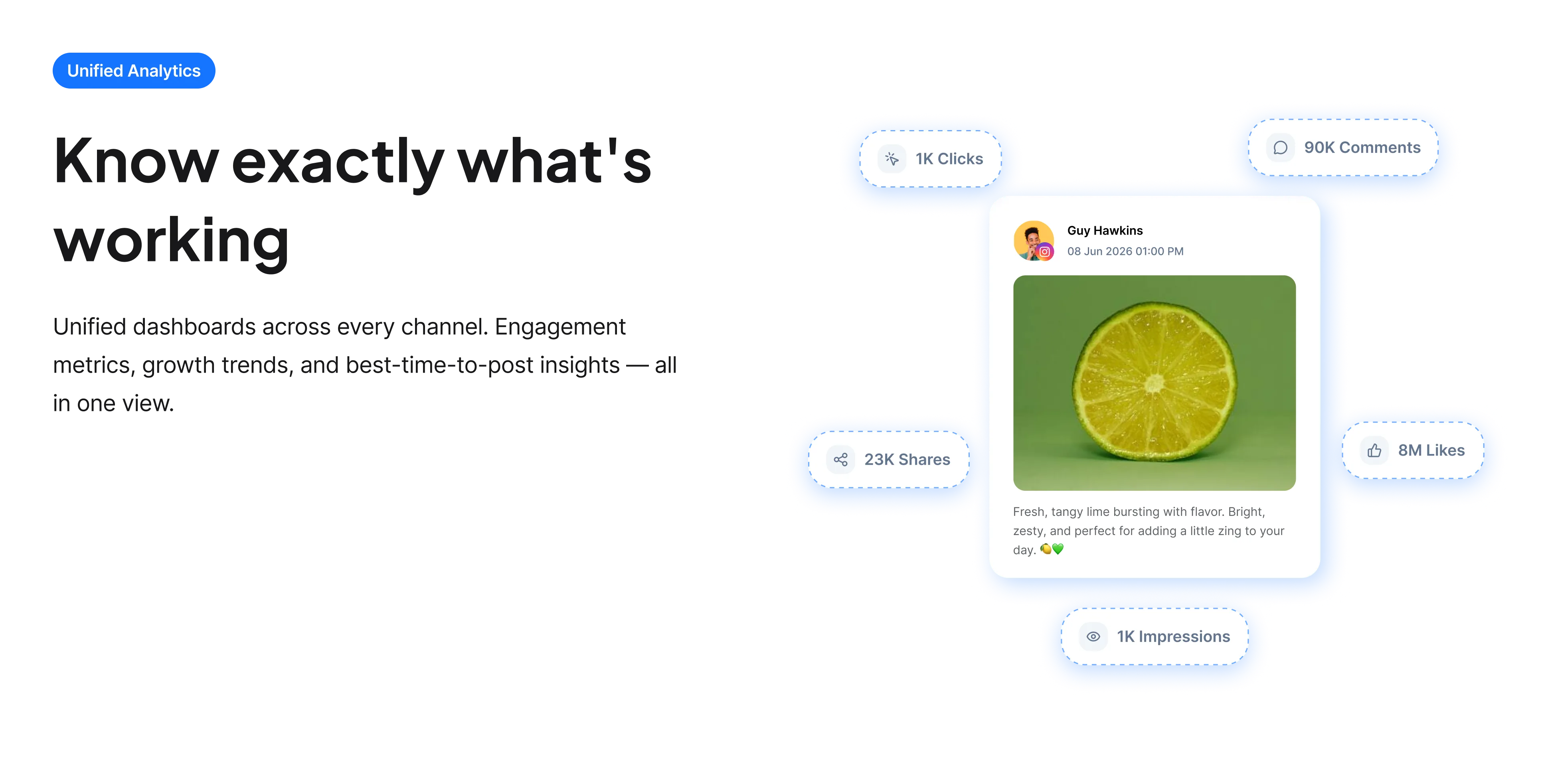
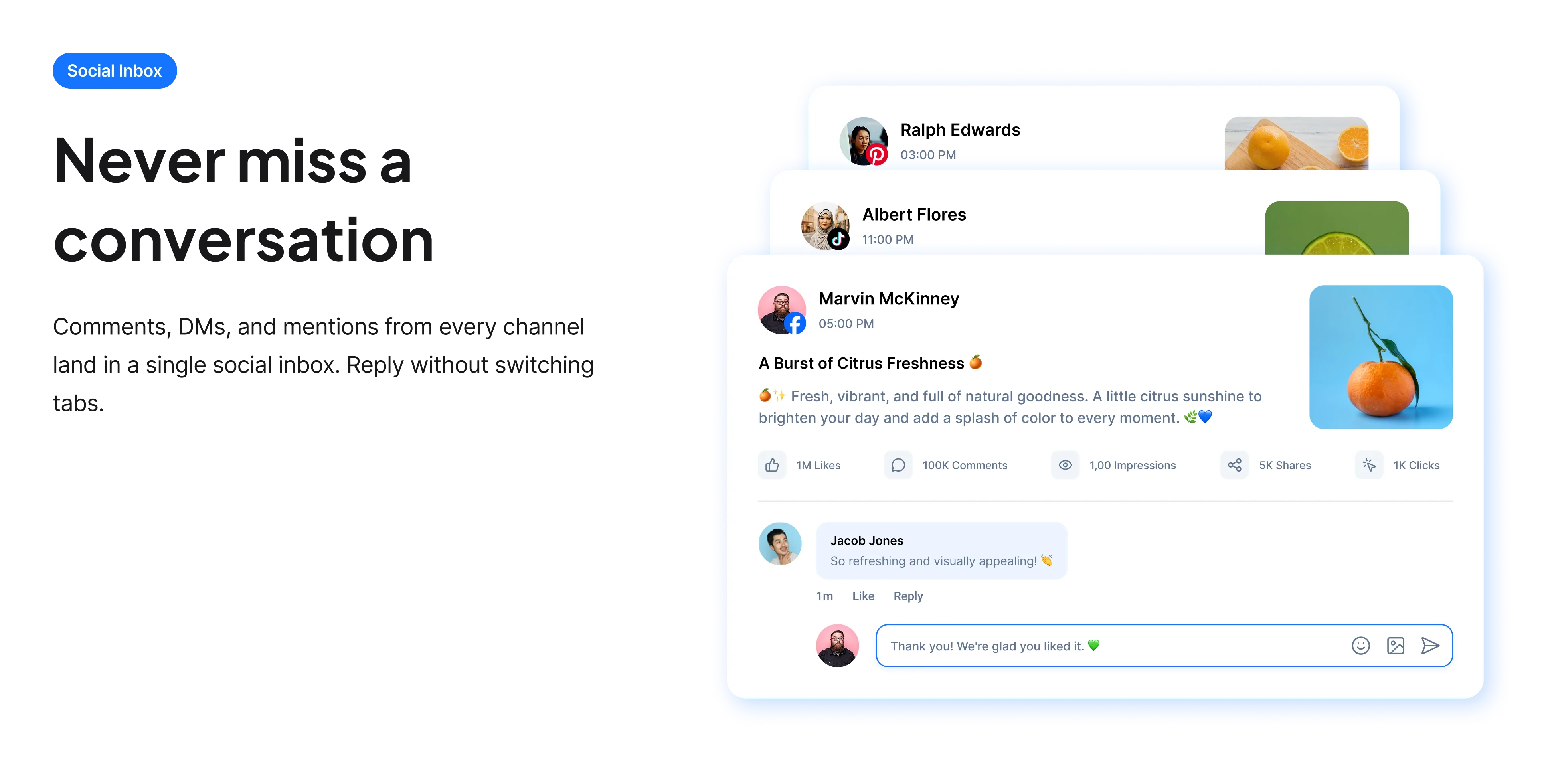
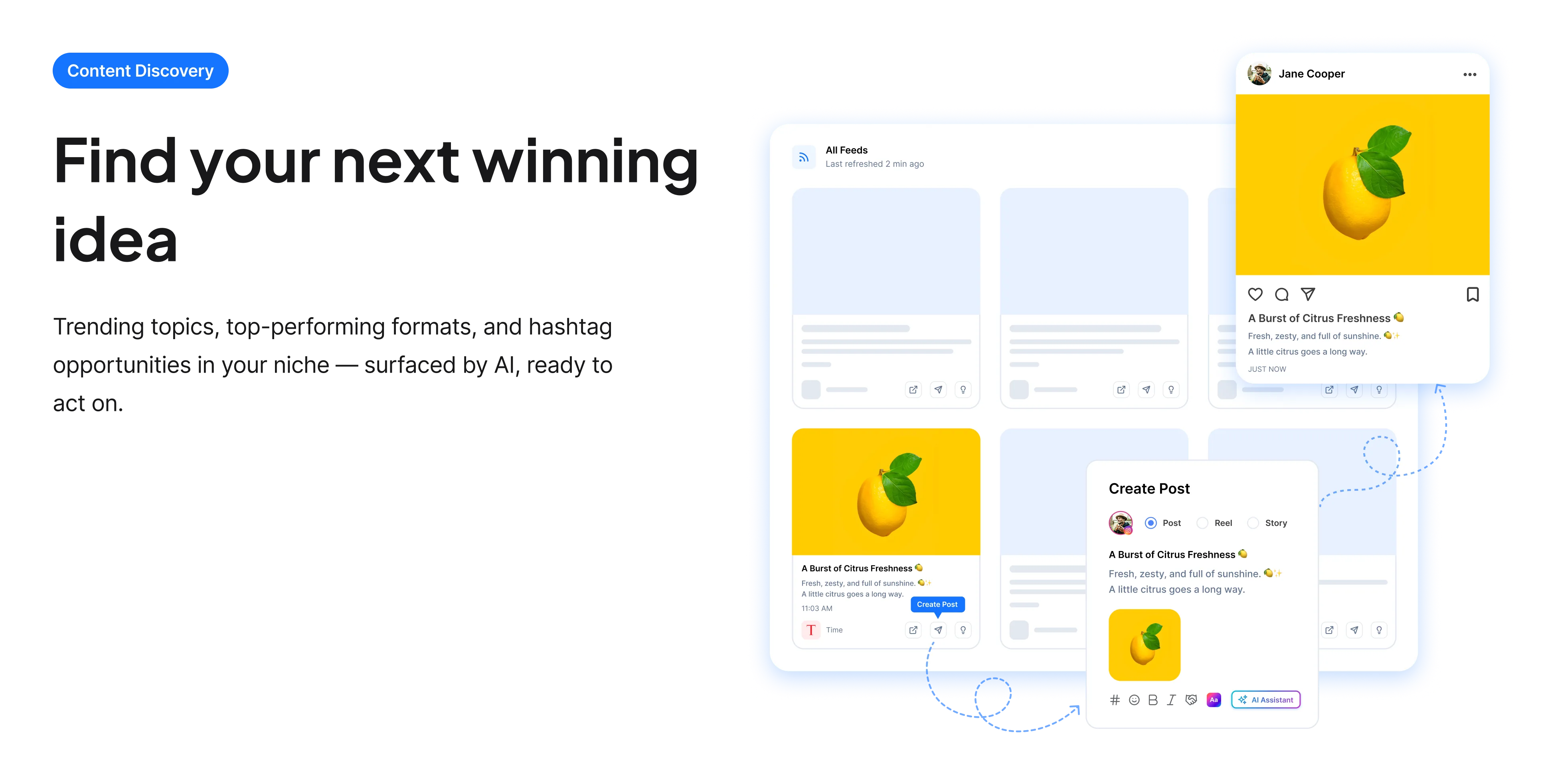
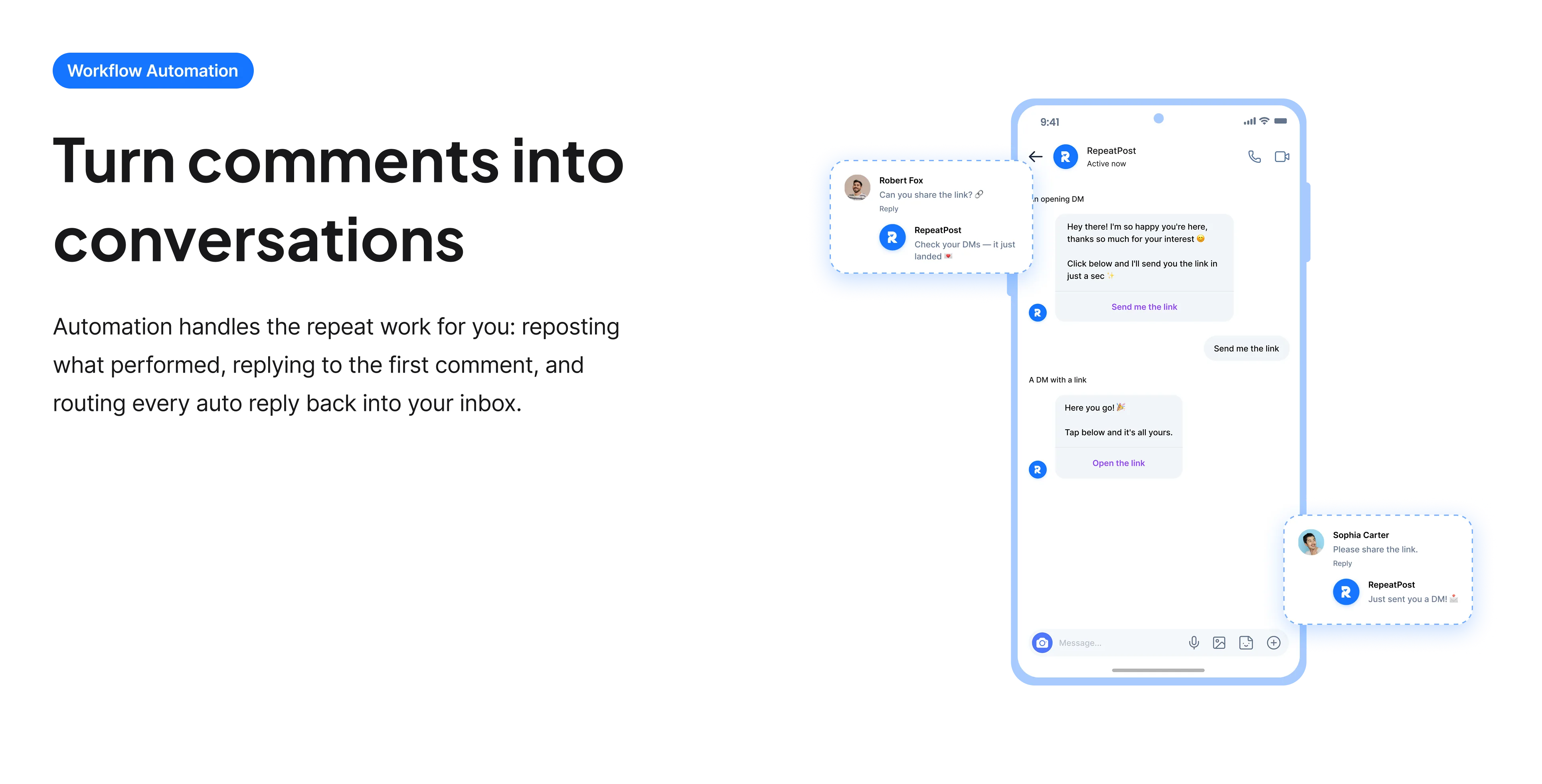
The free tools solve one task at a time. RepeatPost handles the whole loop: write the post, publish it everywhere, then see what landed.
Ready to get started?
The free tools are the warm up. RepeatPost plans, writes and publishes across every channel you post to.
Free plan to start
No credit card required
Cancel anytime
All about X competitor analytics
What matters on X that does not matter elsewhere
Volume and conversation. X moves faster than any other major platform, so a post has a short life and accounts that post several times a day accumulate far more chances to land. The other distinctive signal is the reply ratio: the split between original posts and replies to other people. Accounts that grow on X usually reply a great deal, because replies put them in front of somebody else’s audience repeatedly. An account posting three polished things a week and replying to nobody is running a strategy the platform does not reward.
How to read an account on X
The useful signals here are different from Instagram or Facebook.
- Start with posts per day. On X this varies by an order of magnitude between accounts, and it explains most differences in reach before anything about content quality does.
- Check the reply ratio. A high proportion of replies usually indicates an account growing through conversation rather than through broadcast.
- Look at thread usage. Threads earn substantially more attention than single posts for anything that needs explaining, and whether a competitor uses them is a quick strategic read.
- Weight reposts above likes. A repost carries your content into another timeline, whereas a like largely does not.
- Notice the timing pattern. Accounts that post when their audience is awake rather than when it suits them tend to show it in their numbers.
- Treat any single viral post as an outlier and read the median instead, since one hit distorts an average badly.
Turning it into a strategy
What is actually transferable from someone else’s account.
- Match the volume before you try to match the quality. On X, frequency is usually the gap, and it is the easiest one to close.
- Adopt threads if competitors use them and you do not. No other single format change on the platform returns as much for the effort.
- Study what they reply to rather than only what they post, since that is where much of the growth comes from.
- Look at the ratio of promotional to non promotional posts. Accounts that only promote grow slowly, and the ratio tells you what a working balance looks like in your niche.
- Do not copy a personality. Voice on X is unusually individual, and an imitation reads as an imitation faster here than anywhere else.
Who uses this tool
X analysis tends to be about cadence and positioning rather than creative.
- Founders building an audience who need a realistic picture of how much successful accounts actually post.
- B2B marketers checking how competitors balance product posts against commentary.
- Agencies auditing a client account that is underperforming, where low volume is very often the whole diagnosis.
- Community managers monitoring how competitors handle replies and complaints in public.
- Anyone deciding whether threads are worth the effort in their niche.
What the report covers
What public data supports, and what it does not.
| Metric | Available | Notes |
|---|---|---|
| Posting frequency | Yes | Usually the largest difference |
| Reply ratio | Yes | Original posts against replies |
| Engagement counts | Yes | Likes, reposts and replies |
| Thread usage | Yes | A quick read on strategy |
| Top performing posts | Yes | Read the median too |
| Impressions | No | Visible only to the account owner |
| Follower demographics | No | Not exposed publicly |
| Protected accounts | Not supported | Nothing is public to read |
X has changed what it exposes publicly several times, and view counts are shown inconsistently. Treat figures as indicative and compare accounts on the same day for fairness.
When this is not the right tool
Protected accounts are unreadable, and impressions and follower demographics are visible only to the account owner. X has also changed its public data repeatedly, so figures here are indicative rather than authoritative, and comparing two accounts measured on different days is unfair to one of them. For your own account, your own analytics are the real numbers. And be wary of concluding too much from a single viral post: it distorts every average it appears in, which is why the median is the more honest figure. For other platforms, see the Instagram competitor analytics tool.
How teams picture using RepeatPost
“Honestly, the calendar is what sold me. I could see every channel in one view and spot the week we'd gone quiet. Before this I was juggling three spreadsheets and a Slack thread. Now I plan the month on a Monday morning and I'm done by half ten.”
Hannah Whitfield
Marketing Manager
United KingdomJun 14, 2026“We run social for eleven clients and keeping them separate used to be a genuine anxiety of mine. Workspaces fixed that. Each client sits in their own space, approvals route to the right person, and I've stopped worrying that someone's going to push a dental practice promo to a restaurant account at 6am.”
Marcus Reed
Agency Owner
United StatesJun 29, 2026“I batch a fortnight of content on a Sunday arvo and then I don't think about it again. Reckon it's saved me a solid day a week. Only gripe is the mobile app still feels a step behind the web version, so I do the actual planning on my laptop. Everything else is spot on.”
Chloe Baxter
Content Creator
AustraliaJul 11, 2026“I'm handling social for four small brands and writing captions was eating my whole morning. The AI drafts are actually quite usable now. I still rewrite maybe every third one to sound like the client, but starting from something beats staring at a blank box. The hashtag tool alone I'm using daily.”
Ananya Raghavan
Freelance Social Media Manager
IndiaJul 30, 2026“I sell fabrics and my customers find me on Instagram mostly. Posting used to be whenever I remembered, which was maybe twice a week. Now I sit down every Sunday evening, load up two weeks, and it goes out on its own. Sales have followed. I'd like to see WhatsApp added properly, that's my one ask.”
Chidinma Eze
Small Business Owner
NigeriaAug 18, 2026“Our team is five people and we were losing posts in Slack threads. Someone would approve something, someone else would tweak it, and nobody knew which version went live. The approval flow sorted that in a week. Fair play, it's the least glamorous feature on the site and it's the one I'd miss most.”
Niamh Gallagher
Social Media Lead
IrelandSep 02, 2026FAQs
Frequently Asked
Questions
More than on other platforms. Posts have a short life in a fast timeline, so accounts that post several times a day get far more chances to land. Checking competitor volume usually reveals a much bigger gap than people expect.
It is the split between original posts and replies to other people. Accounts that grow on X typically reply a lot, because each reply puts them in front of somebody else’s audience. A purely broadcasting account is working against how the platform distributes attention.
No. Protected accounts show their posts only to approved followers, so there is no public data to read. This is a limitation of the platform rather than the tool, and it applies to every analytics product of this kind.
No. Impression data is available only to the account owner in their own analytics. X has also displayed view counts inconsistently over time, so any public figure should be treated as indicative rather than a reliable measurement.
For anything that needs explanation, generally yes. Threads hold attention far better than single posts and give a longer idea room to develop. Checking whether competitors in your niche use them is a quick way to read the norm.
Reposts. A repost carries your content into a whole other timeline, whereas a like mostly registers approval without extending reach. Replies matter too, since conversation is what the platform is built around.
Ready to grow on autopilot?
Create your free account and start managing 16+ channels with AI in minutes.
Get started for freeFree plan to start
No Credit Card Required
Cancel anytime