LinkedIn image caption generator
AI LinkedIn Image Caption Generator
Upload a slide, a chart or a conference photo and get a post built around what is actually in it. On LinkedIn the image is usually evidence for a point, so the caption has to make that point.
Drop your image here
or browse files
Also, you can check X (Twitter) Image Caption or TikTok Image Caption or More
Reads charts and slides, not just photos
Opening built to survive the See more fold
Free to use, no account needed
These tools stay free because people chip in. Buy us a coffee ☕
Something broken, or a tool you wish we had? Tell us what you need


More free tools
People who use the LinkedIn Image Caption Generator also reach for these
Every tool here is free, runs in your browser and needs no account.
Inside RepeatPost
What you get when the free tool is not enough
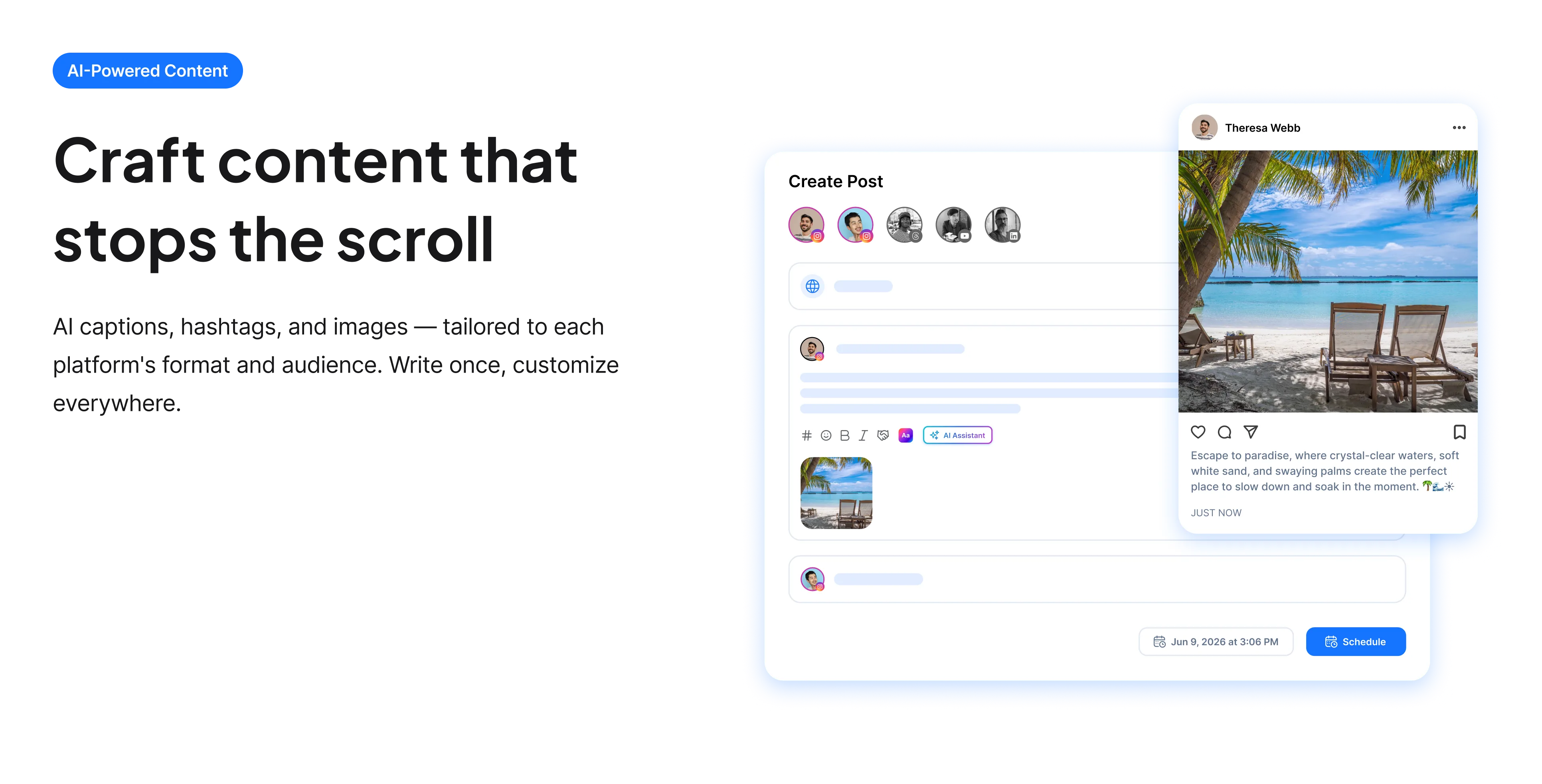
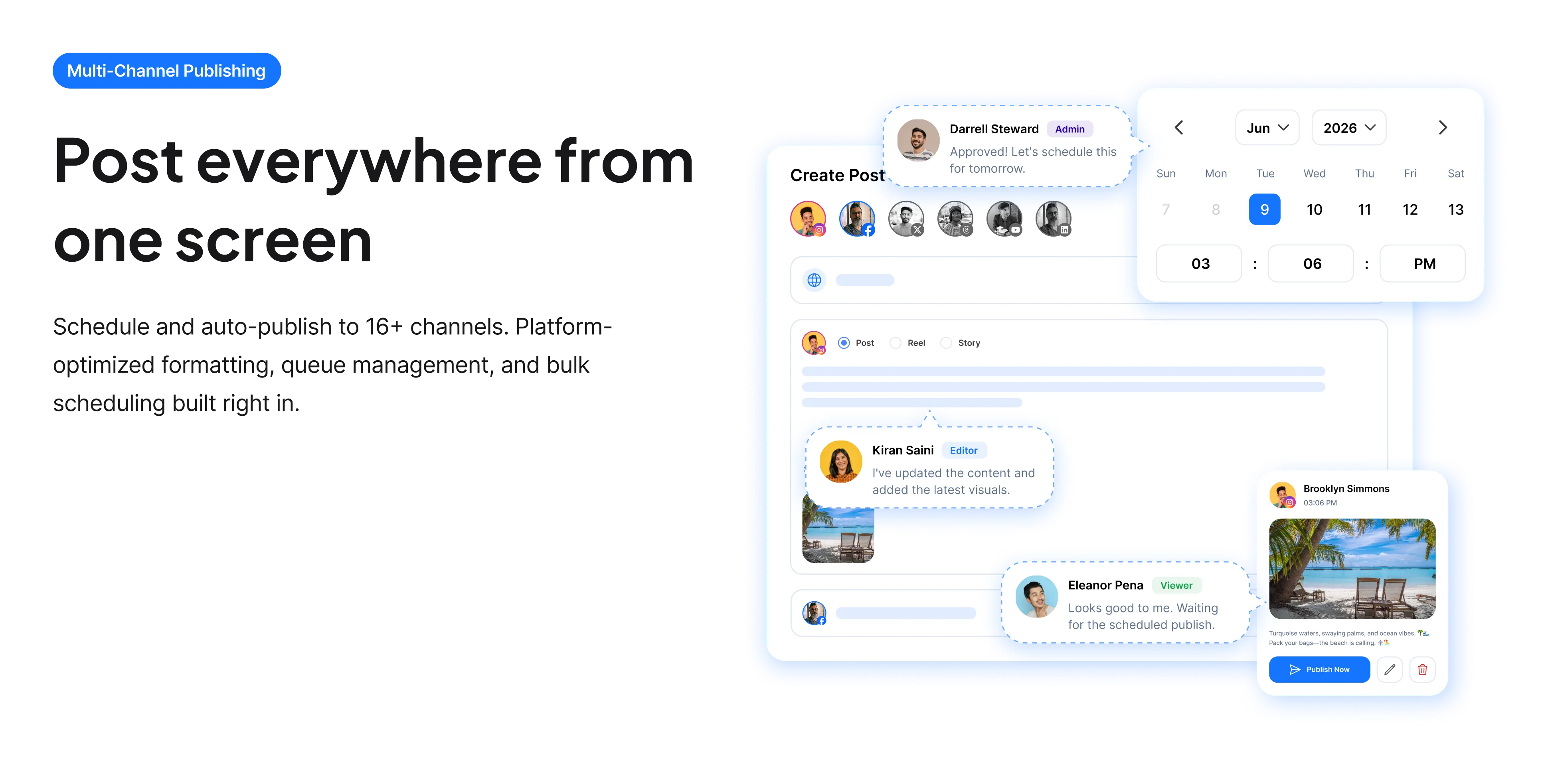
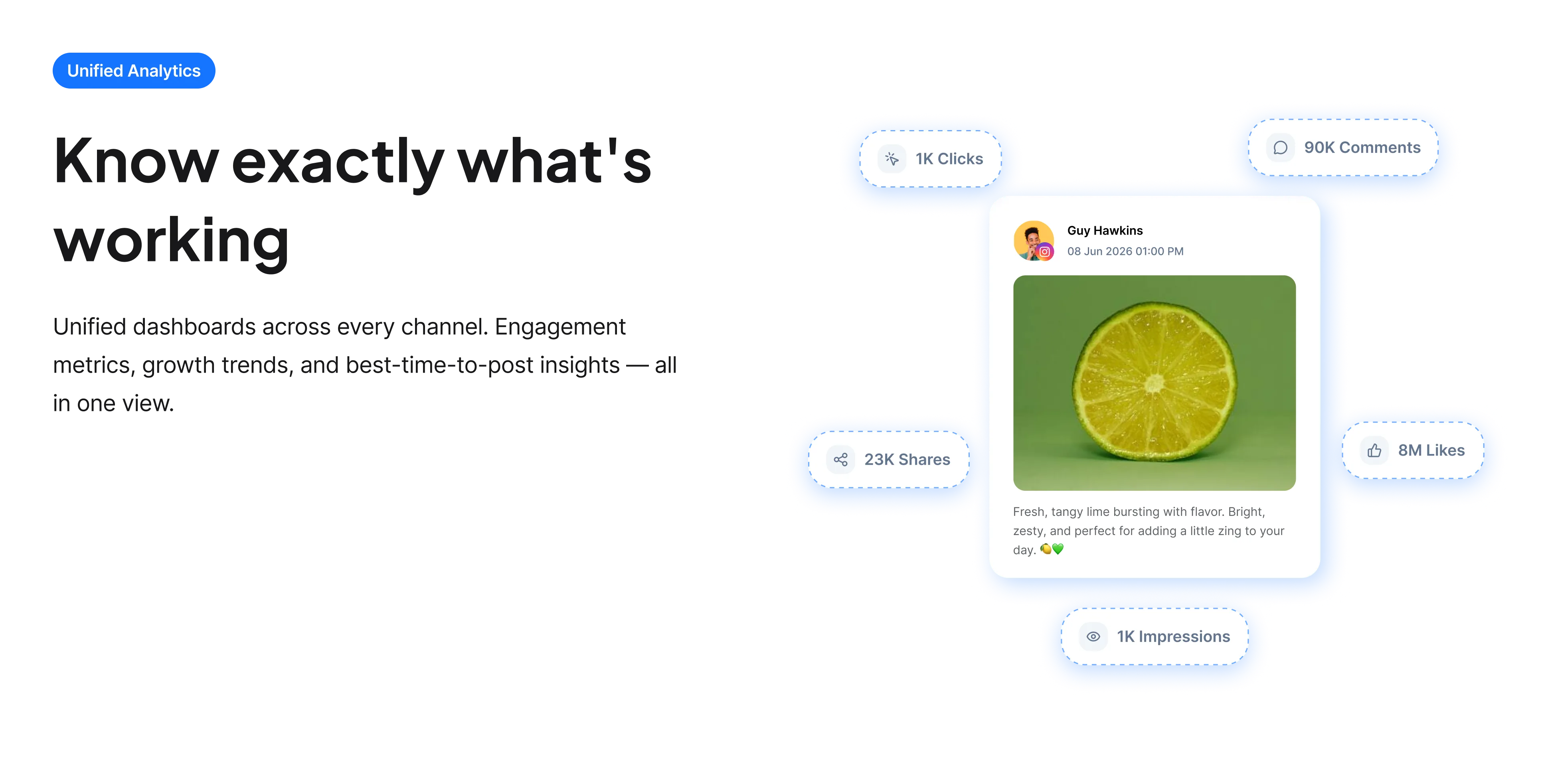
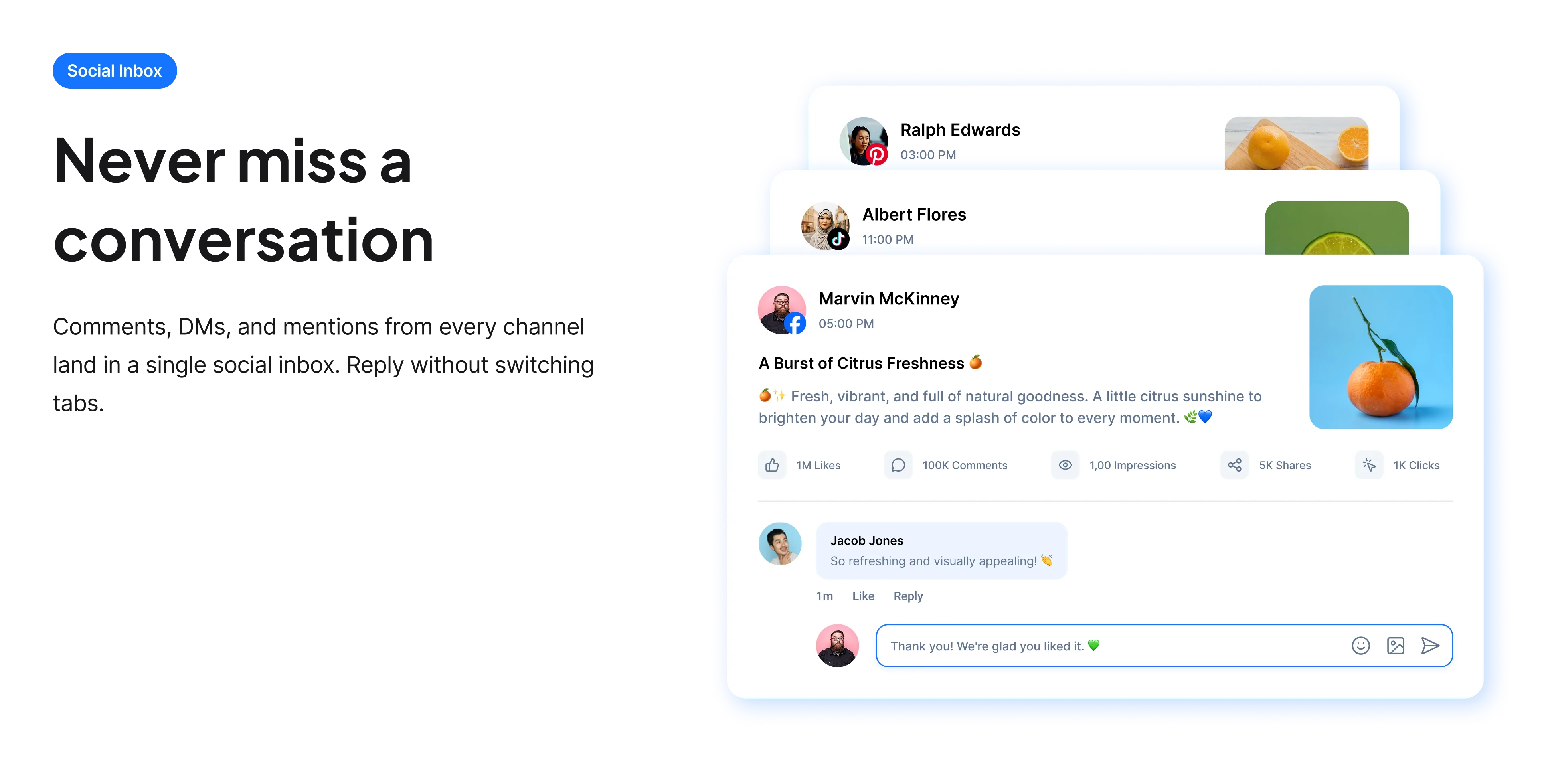
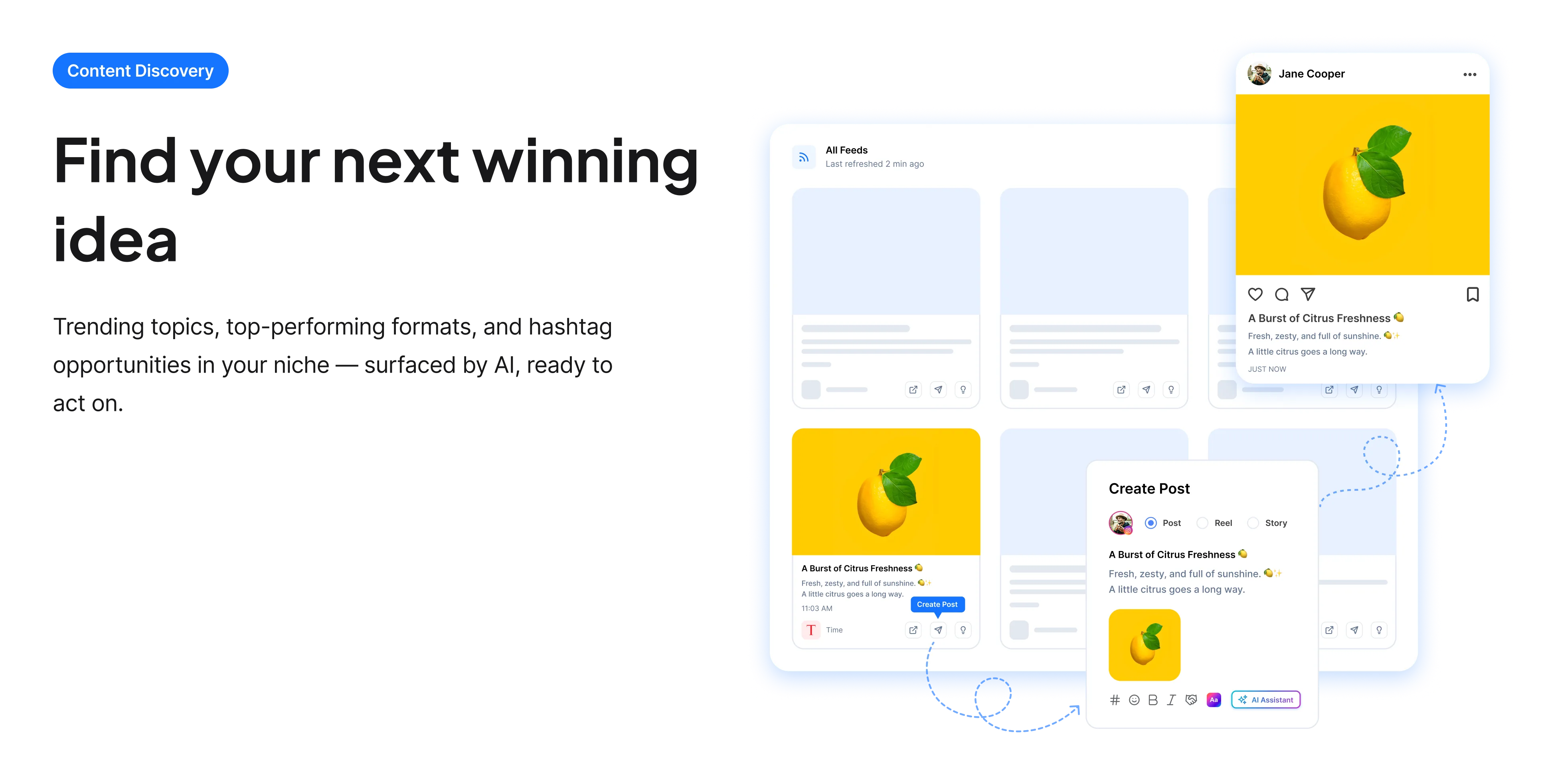
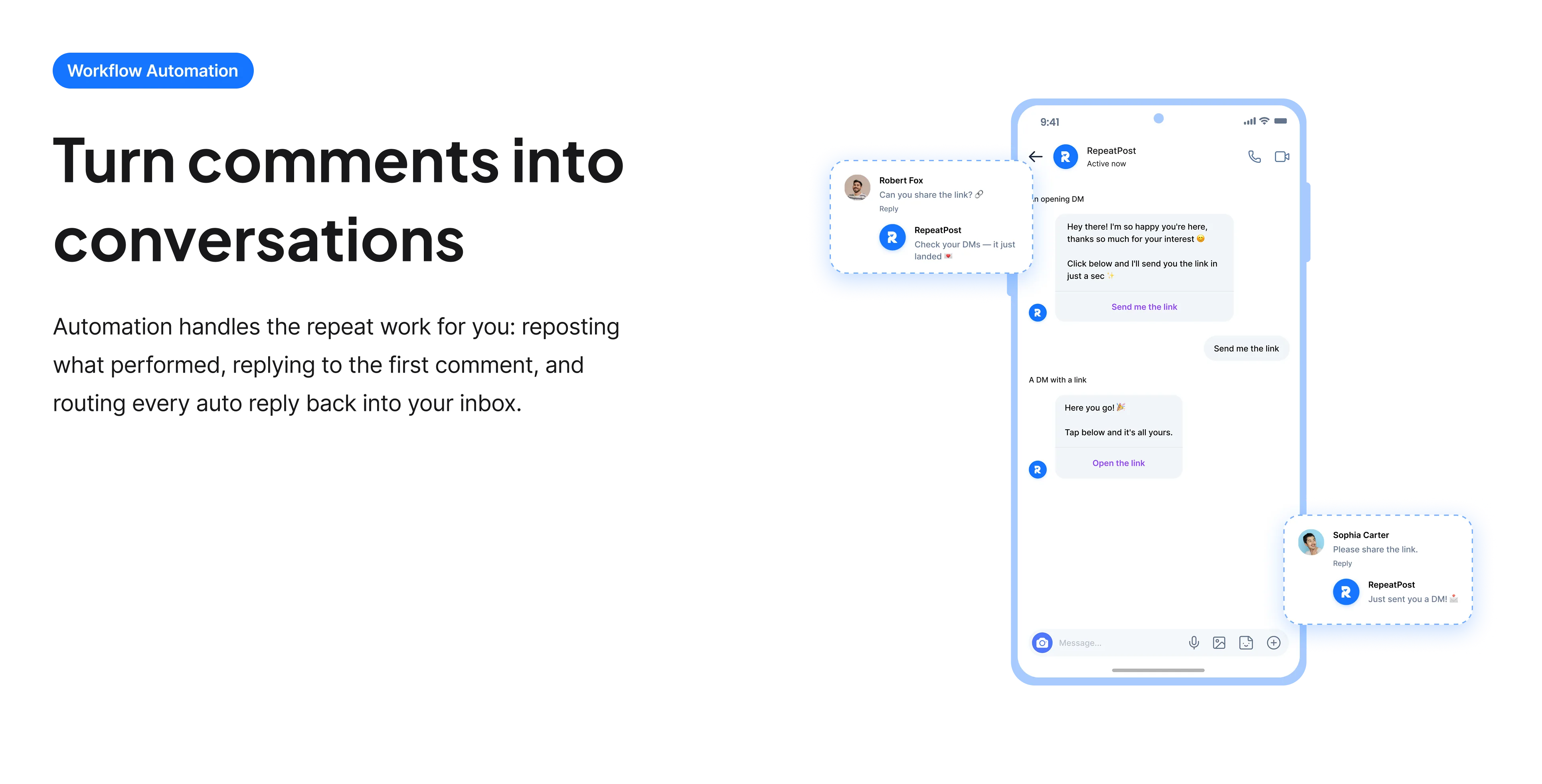
The free tools solve one task at a time. RepeatPost handles the whole loop: write the post, publish it everywhere, then see what landed.
Ready to get started?
The free tools are the warm up. RepeatPost plans, writes and publishes across every channel you post to.
Free plan to start
No credit card required
Cancel anytime
All about the LinkedIn image caption generator
On LinkedIn the image is an argument
Images on LinkedIn are rarely the content in themselves. A chart supports a claim, a slide summarises a finding, a conference photo establishes that you were there and gives you a reason to say something. So captioning a LinkedIn image is not describing it, it is stating the point the image supports. That is why a tool that reads the image is useful here in a specific way: it can extract what a chart shows or what a slide says, and build the post around that rather than around a topic you typed.
How to write around an image
The image gets attention. The first two lines have to earn the expansion.
- Lead with the conclusion the image supports, not with a description of the image. People can see it.
- Put the claim before the fold, which arrives at roughly 210 characters.
- If the image is a chart, state the finding in words. Many people scroll past charts without reading them.
- Use the space after the fold for the method, the caveats and the detail.
- End with a question, since comments carry considerably more weight than likes on LinkedIn.
- Add alt text, particularly for charts, where the information is otherwise completely inaccessible to screen reader users.
Charts, slides and accessibility
Data images are the case where alt text stops being a courtesy and becomes the only way in.
- A chart with no alt text is entirely opaque to a screen reader user, unlike a photo where some context can be inferred.
- Describe the finding rather than the chart type. "Revenue tripled between March and August" is more useful than "a bar chart".
- Put key figures in the post text as well, which helps everyone reading on a small phone screen.
- For carousels and document posts, each slide should make sense on its own since people swipe rather than read in order.
- Verify any number the AI reads off an image before publishing it, since misreading a chart axis is an easy error to make.
Who uses this tool
People posting evidence rather than moments.
- Analysts and consultants sharing a chart and needing the post to state what it shows.
- Speakers posting a slide from a talk who want the point to land without the talk.
- Founders sharing product screenshots as part of building in public.
- Recruiters and team leads posting event photos and needing something to say beyond "great day".
- Anyone posting carousels who needs each slide framed properly.
LinkedIn image post specs
The limits and what the image has to do.
| Detail | Value | Notes |
|---|---|---|
| Input | An uploaded image | Photos, charts, slides, screenshots |
| Post limit | 3,000 characters | Folds at roughly 210 |
| Alt text | Supported and produced | Essential for charts |
| Strongest signal | Comments | Weighted above likes |
| Document carousels | Separate post type | Each slide should stand alone |
| Reads figures | Usually | Verify before publishing |
| Cost | Free | No account and no card |
| Rights to the output | Yours to use commercially | Including client work |
AI reading of chart values is helpful but not authoritative. Always check figures against the source before quoting them publicly.
When this is not the right tool
Do not let it quote numbers you have not checked. Reading values off a chart is exactly the kind of task where an AI can be confidently wrong, and a misstated figure in a professional post is a credibility problem rather than a typo. It also cannot supply the analysis, only describe what is visible, so the interpretation has to be yours. If you already know your point and just need it phrased for the fold, the LinkedIn caption generator skips the upload, and the LinkedIn bio generator handles the headline that appears above every post you publish.
How teams picture using RepeatPost
“Honestly, the calendar is what sold me. I could see every channel in one view and spot the week we'd gone quiet. Before this I was juggling three spreadsheets and a Slack thread. Now I plan the month on a Monday morning and I'm done by half ten.”
Hannah Whitfield
Marketing Manager
United KingdomJun 14, 2026“We run social for eleven clients and keeping them separate used to be a genuine anxiety of mine. Workspaces fixed that. Each client sits in their own space, approvals route to the right person, and I've stopped worrying that someone's going to push a dental practice promo to a restaurant account at 6am.”
Marcus Reed
Agency Owner
United StatesJun 29, 2026“I batch a fortnight of content on a Sunday arvo and then I don't think about it again. Reckon it's saved me a solid day a week. Only gripe is the mobile app still feels a step behind the web version, so I do the actual planning on my laptop. Everything else is spot on.”
Chloe Baxter
Content Creator
AustraliaJul 11, 2026“I'm handling social for four small brands and writing captions was eating my whole morning. The AI drafts are actually quite usable now. I still rewrite maybe every third one to sound like the client, but starting from something beats staring at a blank box. The hashtag tool alone I'm using daily.”
Ananya Raghavan
Freelance Social Media Manager
IndiaJul 30, 2026“I sell fabrics and my customers find me on Instagram mostly. Posting used to be whenever I remembered, which was maybe twice a week. Now I sit down every Sunday evening, load up two weeks, and it goes out on its own. Sales have followed. I'd like to see WhatsApp added properly, that's my one ask.”
Chidinma Eze
Small Business Owner
NigeriaAug 18, 2026“Our team is five people and we were losing posts in Slack threads. Someone would approve something, someone else would tweak it, and nobody knew which version went live. The approval flow sorted that in a week. Fair play, it's the least glamorous feature on the site and it's the one I'd miss most.”
Niamh Gallagher
Social Media Lead
IrelandSep 02, 2026FAQs
Frequently Asked
Questions
Usually it can extract the general shape and often the labels, which is enough to build a post around. Always verify specific figures against your source before publishing, since misreading an axis is an easy and damaging error.
Because a chart with no alt text is completely opaque to a screen reader user. With a photo some context can be inferred from the post, but a data visualisation carries all its information visually and none of it reaches them otherwise.
The finding, not the format. "Revenue tripled between March and August" conveys what matters, while "a bar chart with eight columns" describes the picture without communicating anything the reader needed.
No, people can see it. State the conclusion the image supports instead, and put that before the See more fold at roughly 210 characters. Description wastes the most valuable part of the post.
You can caption the post as a whole, and it helps to frame what the carousel covers. Each slide should also make sense on its own, since people swipe through rather than reading in strict order.
No. It describes what is visible in the image but cannot supply analysis, context or causation. The interpretation is yours, and on LinkedIn that interpretation is usually the entire value of the post.
Ready to grow on autopilot?
Create your free account and start managing 16+ channels with AI in minutes.
Get started for freeFree plan to start
No Credit Card Required
Cancel anytime