Facebook bio generator
Free Facebook Bio Generator
Facebook splits your bio across two places: a very short Intro that sits under your name, and a longer About section almost nobody opens. Writing for both is the difference between a profile that reads and one that sits empty.
Also, you can check Instagram Bio or Threads Bio or More
Writes the short Intro and the long About together
Works for personal profiles and business pages
Free to use, no account needed
These tools stay free because people chip in. Buy us a coffee ☕
Something broken, or a tool you wish we had? Tell us what you need


More free tools
People who use the Facebook Bio Generator also reach for these
Every tool here is free, runs in your browser and needs no account.
Inside RepeatPost
What you get when the free tool is not enough
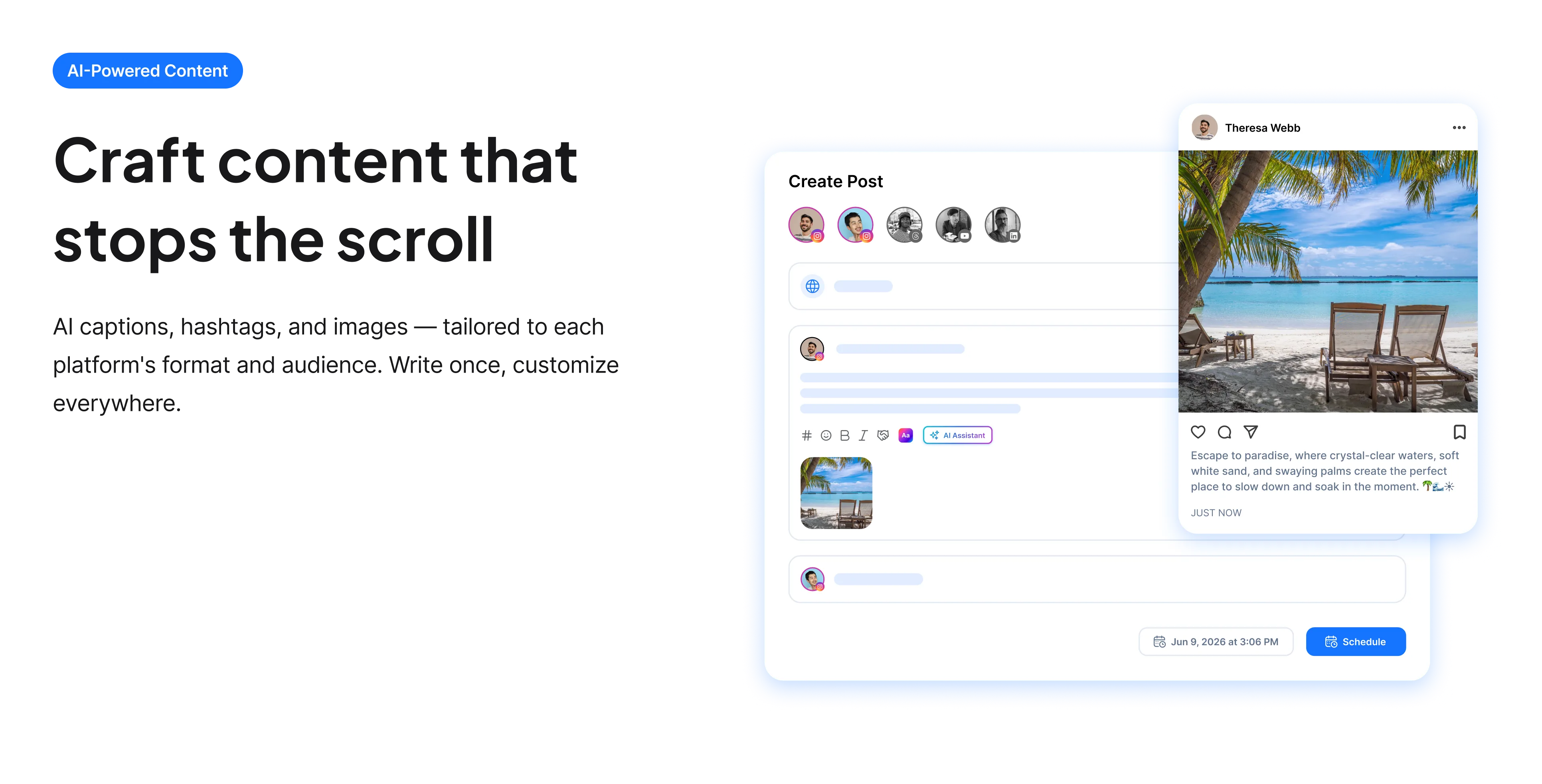
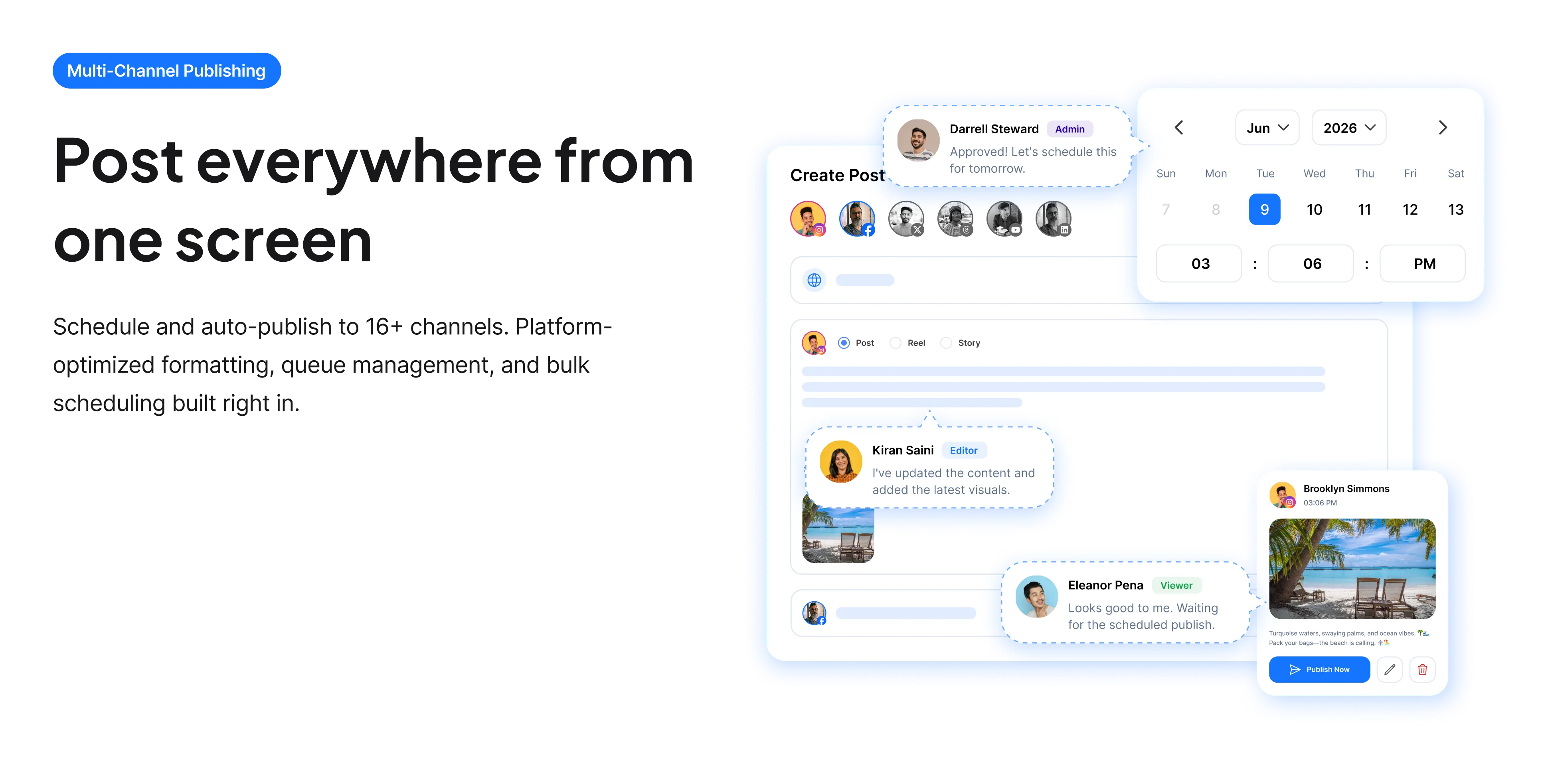
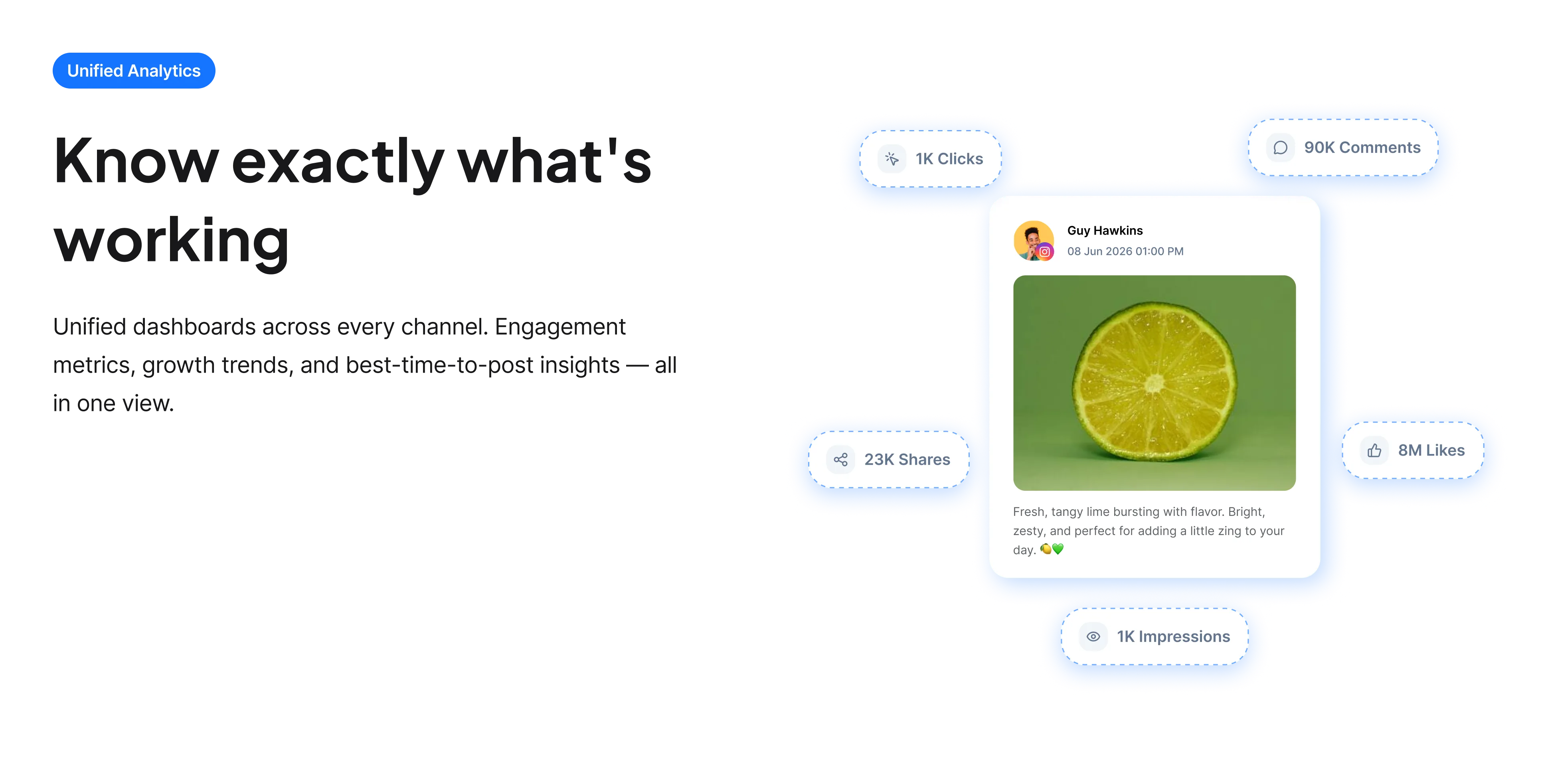
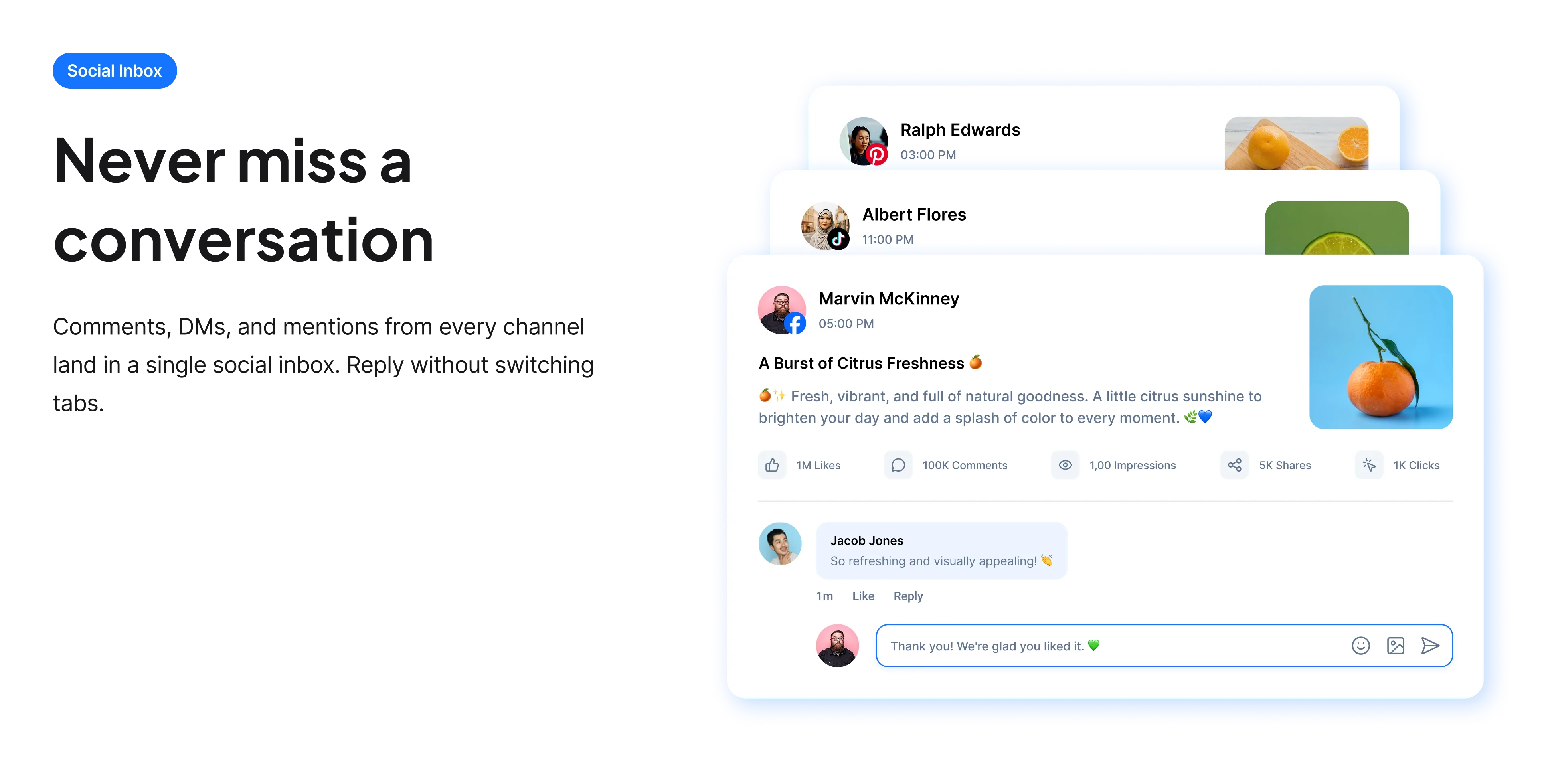
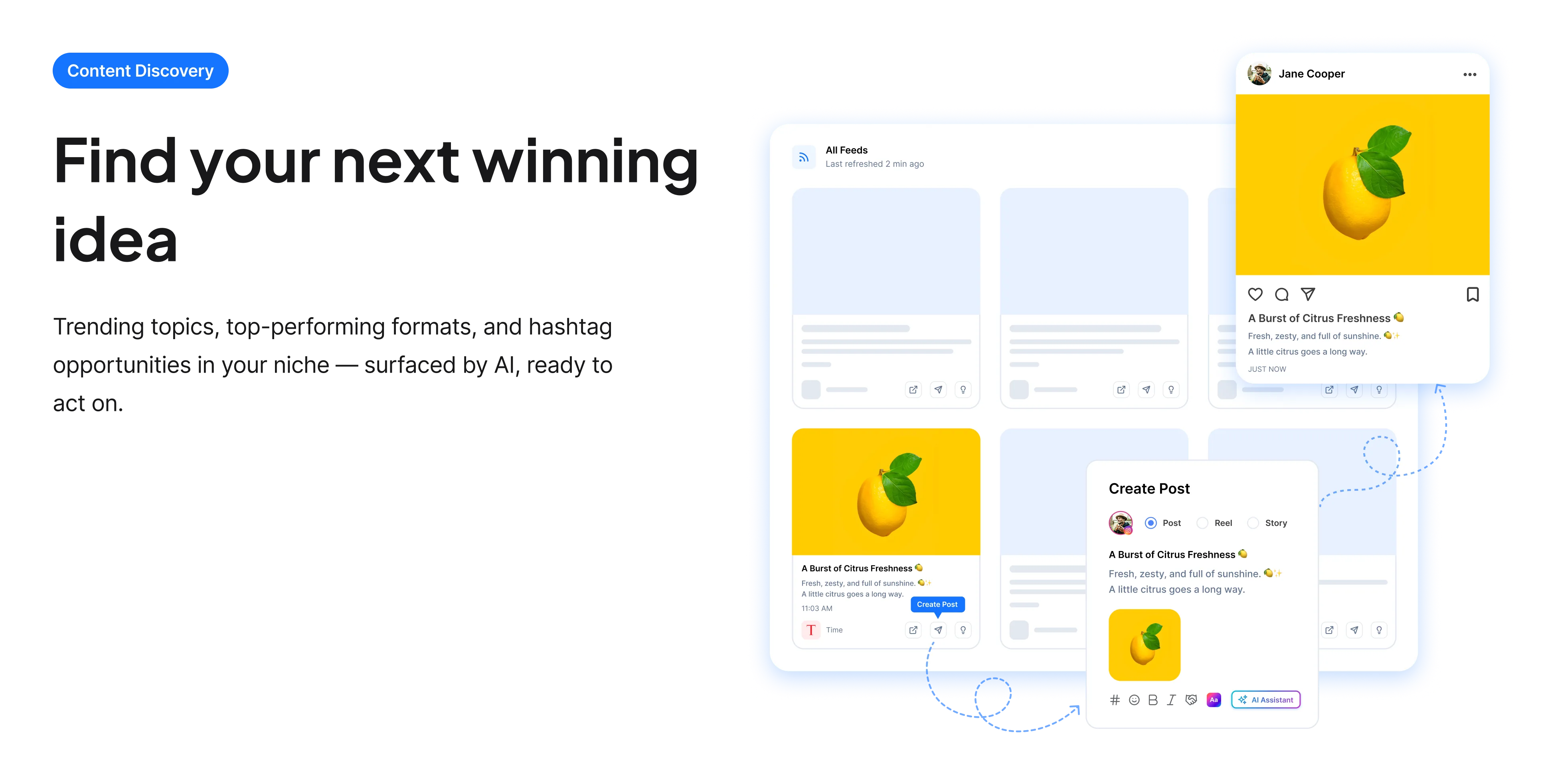
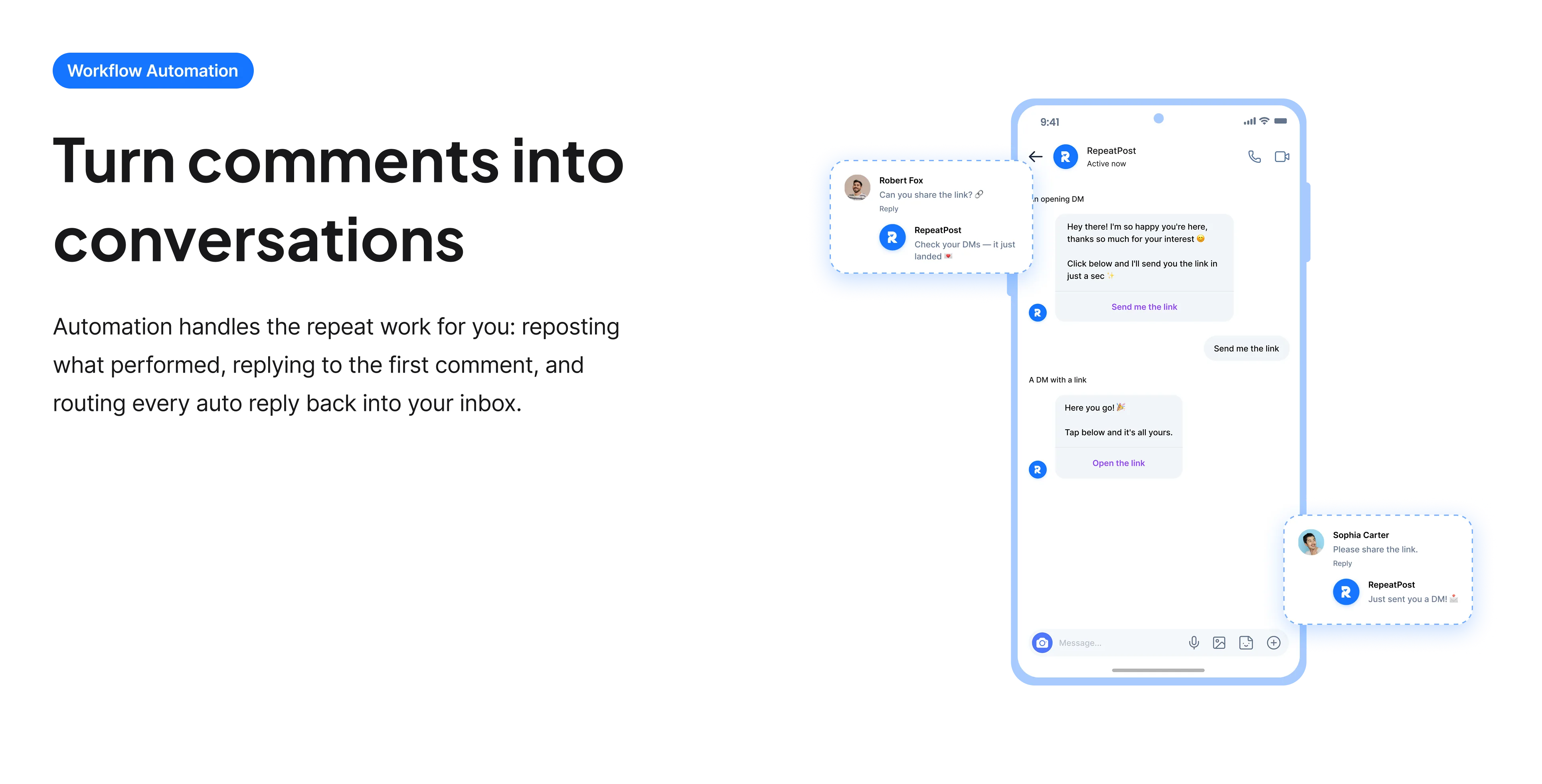
The free tools solve one task at a time. RepeatPost handles the whole loop: write the post, publish it everywhere, then see what landed.
Ready to get started?
The free tools are the warm up. RepeatPost plans, writes and publishes across every channel you post to.
Free plan to start
No credit card required
Cancel anytime
All about the Facebook bio generator
Why Facebook needs two bios rather than one
Facebook splits the job. The Intro field is short, roughly a hundred characters, and it is the one people actually see because it sits directly under your name on the profile. The About section is much longer and lives behind a click that most visitors never make. Writing only the long one means your visible bio is empty; writing only the short one wastes the space where a business can list the practical details customers came for. The two need different content rather than the same text at two lengths.
How to write each field
They serve different visitors, so they should say different things.
- Intro: one clear line about what you are. For a business, what you sell and where you are. For a person, the thing a stranger most needs to know.
- About: the practical detail. Hours, service area, how to get in touch, what makes you different, and anything a customer would otherwise have to message you to find out.
- Put the location in the Intro for any local business, since geography is the most common reason someone is on your page at all.
- Skip inspirational quotes in the Intro. It is the most valuable line on the profile and a quote uses it to say nothing about you.
- For a page, fill in the structured fields as well: category, hours and contact are read more often than prose.
- Keep the tone consistent with how you post, because a formal bio above casual posts reads as a mismatch.
Pages behave differently from profiles
Most bio advice assumes a personal profile, and business pages work on different terms.
- Pages are indexed and can appear in search, whereas personal profile visibility depends on privacy settings, so keyword clarity matters more on a page.
- Pages have structured fields for hours, address, price range and category that carry more weight than the free text, and they are frequently left blank.
- Local businesses should treat the page as a directory listing first and a social profile second, because that is how customers use it.
- Pages get reviews and recommendations, which visitors read before your bio, so the bio should complement rather than compete with them.
- A page that exists mainly to run ads still needs a complete bio, because ad clicks land on the page and an empty profile costs trust.
Who uses this tool
Facebook profiles skew local and practical.
- Local businesses whose Facebook page functions as their main web presence, which is still extremely common.
- Tradespeople and service providers whose customers search Facebook rather than Google for a local recommendation.
- Community groups and organisations that need to state clearly who they serve and how to join.
- People whose personal profile is semi professional and is seen by clients as well as friends.
- Anyone who set up a page years ago, left the About section empty, and now gets messages asking questions the page should answer.
Facebook profile and page fields
What each field holds and who actually sees it.
| Field | Length | Visibility |
|---|---|---|
| Intro (profile bio) | Around 100 characters | Shown under your name |
| About section | Long form | Behind a click, rarely opened |
| Page category | Structured field | Affects how the page is classified |
| Hours and address | Structured fields | Read more than prose |
| Post text | Very long, over 60,000 | About 477 shown before See more |
| Page search visibility | Indexed | Profiles depend on privacy settings |
| Cost | Free | No account and no card |
| Rights to the output | Yours to use commercially | Including client pages |
Checked September 2026. Facebook redesigns its profile layout regularly and field lengths have shifted over time, so confirm anything you are relying on.
When this is not the right tool
For a local business the structured fields matter more than the prose. Hours, address, category and phone number get read and acted on far more than any paragraph you write, and filling them in properly beats a polished About section left beside empty contact details. Reviews carry more weight than your own description too. If you are trying to work out what to post rather than what your page says about you, the Facebook post generator is the better tool, and the Facebook competitor analytics tool shows what similar pages are doing.
How teams picture using RepeatPost
“Honestly, the calendar is what sold me. I could see every channel in one view and spot the week we'd gone quiet. Before this I was juggling three spreadsheets and a Slack thread. Now I plan the month on a Monday morning and I'm done by half ten.”
Hannah Whitfield
Marketing Manager
United KingdomJun 14, 2026“We run social for eleven clients and keeping them separate used to be a genuine anxiety of mine. Workspaces fixed that. Each client sits in their own space, approvals route to the right person, and I've stopped worrying that someone's going to push a dental practice promo to a restaurant account at 6am.”
Marcus Reed
Agency Owner
United StatesJun 29, 2026“I batch a fortnight of content on a Sunday arvo and then I don't think about it again. Reckon it's saved me a solid day a week. Only gripe is the mobile app still feels a step behind the web version, so I do the actual planning on my laptop. Everything else is spot on.”
Chloe Baxter
Content Creator
AustraliaJul 11, 2026“I'm handling social for four small brands and writing captions was eating my whole morning. The AI drafts are actually quite usable now. I still rewrite maybe every third one to sound like the client, but starting from something beats staring at a blank box. The hashtag tool alone I'm using daily.”
Ananya Raghavan
Freelance Social Media Manager
IndiaJul 30, 2026“I sell fabrics and my customers find me on Instagram mostly. Posting used to be whenever I remembered, which was maybe twice a week. Now I sit down every Sunday evening, load up two weeks, and it goes out on its own. Sales have followed. I'd like to see WhatsApp added properly, that's my one ask.”
Chidinma Eze
Small Business Owner
NigeriaAug 18, 2026“Our team is five people and we were losing posts in Slack threads. Someone would approve something, someone else would tweak it, and nobody knew which version went live. The approval flow sorted that in a week. Fair play, it's the least glamorous feature on the site and it's the one I'd miss most.”
Niamh Gallagher
Social Media Lead
IrelandSep 02, 2026FAQs
Frequently Asked
Questions
The Intro is a short line shown directly under your name, so it is the bio people actually see. The About section is much longer and sits behind a click most visitors never make. They need different content rather than the same text twice.
The Intro is short, around a hundred characters, which is why it has to be one clear statement. The About section is long form and can hold considerably more detail, including the practical information customers look for.
What you sell and where you are, in the Intro. Then use the About section and the structured fields for hours, service area and contact route, because those are the details customers came to the page to find.
Yes, pages are indexed, whereas personal profile visibility depends on your privacy settings. That makes clear, plain language about what you do more valuable on a page than on a profile, since it can bring people in.
Not in the Intro. It is the single most visible line on your profile, and a quote uses it to say something about someone else rather than about you. Save it for the About section if you want it at all.
The structured fields and your reviews. Hours, address, category and contact details get read and acted on constantly, and visitors trust recommendations from other people more than any description you write about yourself.
Ready to grow on autopilot?
Create your free account and start managing 16+ channels with AI in minutes.
Get started for freeFree plan to start
No Credit Card Required
Cancel anytime