RepeatPost@repeatpost
Here's an idea 🤔 do something good and don't post about it on social media. But if you really can't resist ... post it everywhere using RepeatPost!
Quote to Image
Text posts disappear in a scroll. The same sentence set as an image stops the thumb, gets saved, and survives being reshared to a story. Type the line, pick a size, download the graphic.
Runs in your browser, nothing to install
Your text stays on your device
Free to use, no account needed
These tools stay free because people chip in. Buy us a coffee ☕
Something broken, or a tool you wish we had? Tell us what you need
More free tools
Every tool here is free, runs in your browser and needs no account.
Inside RepeatPost
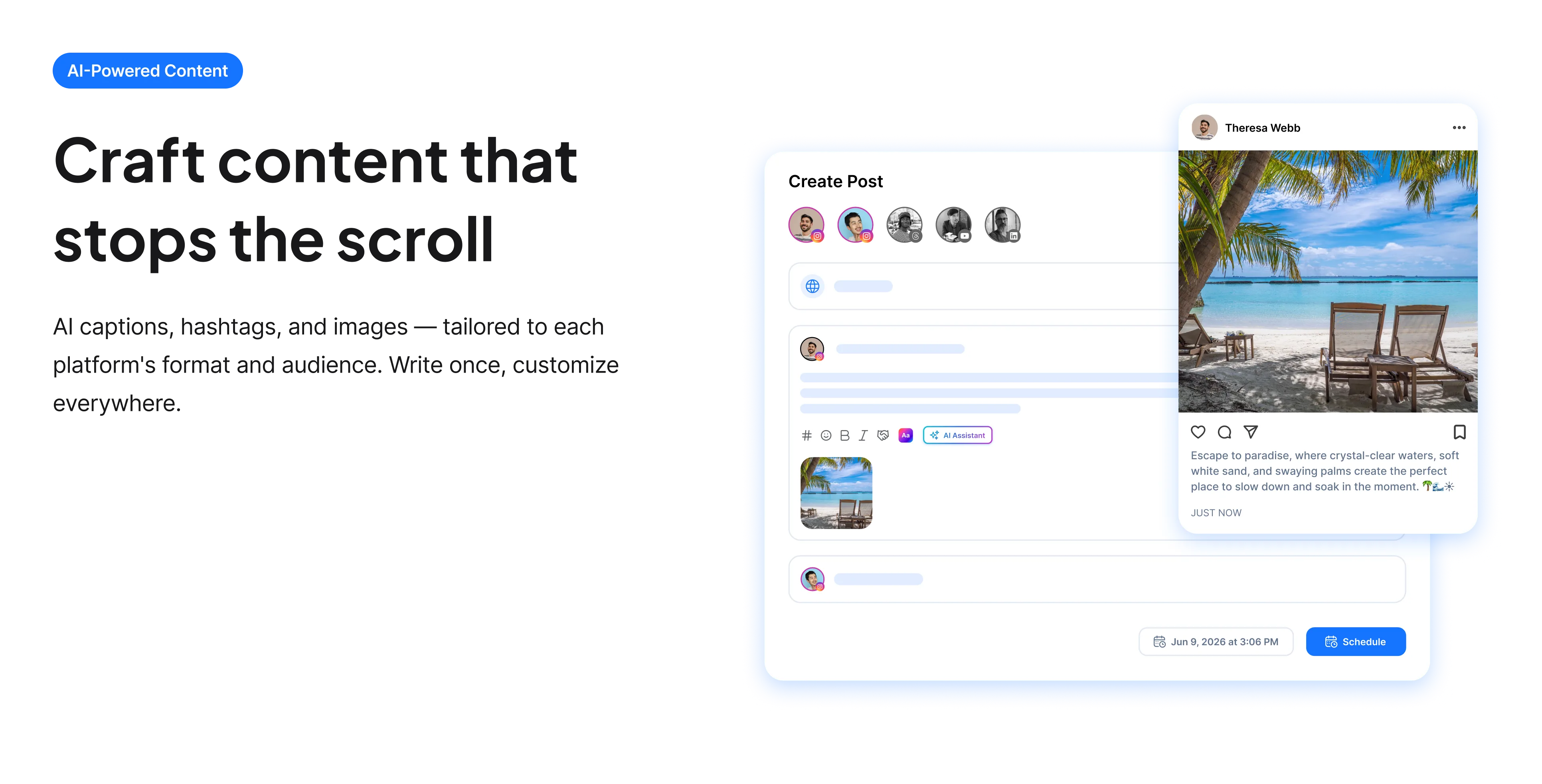
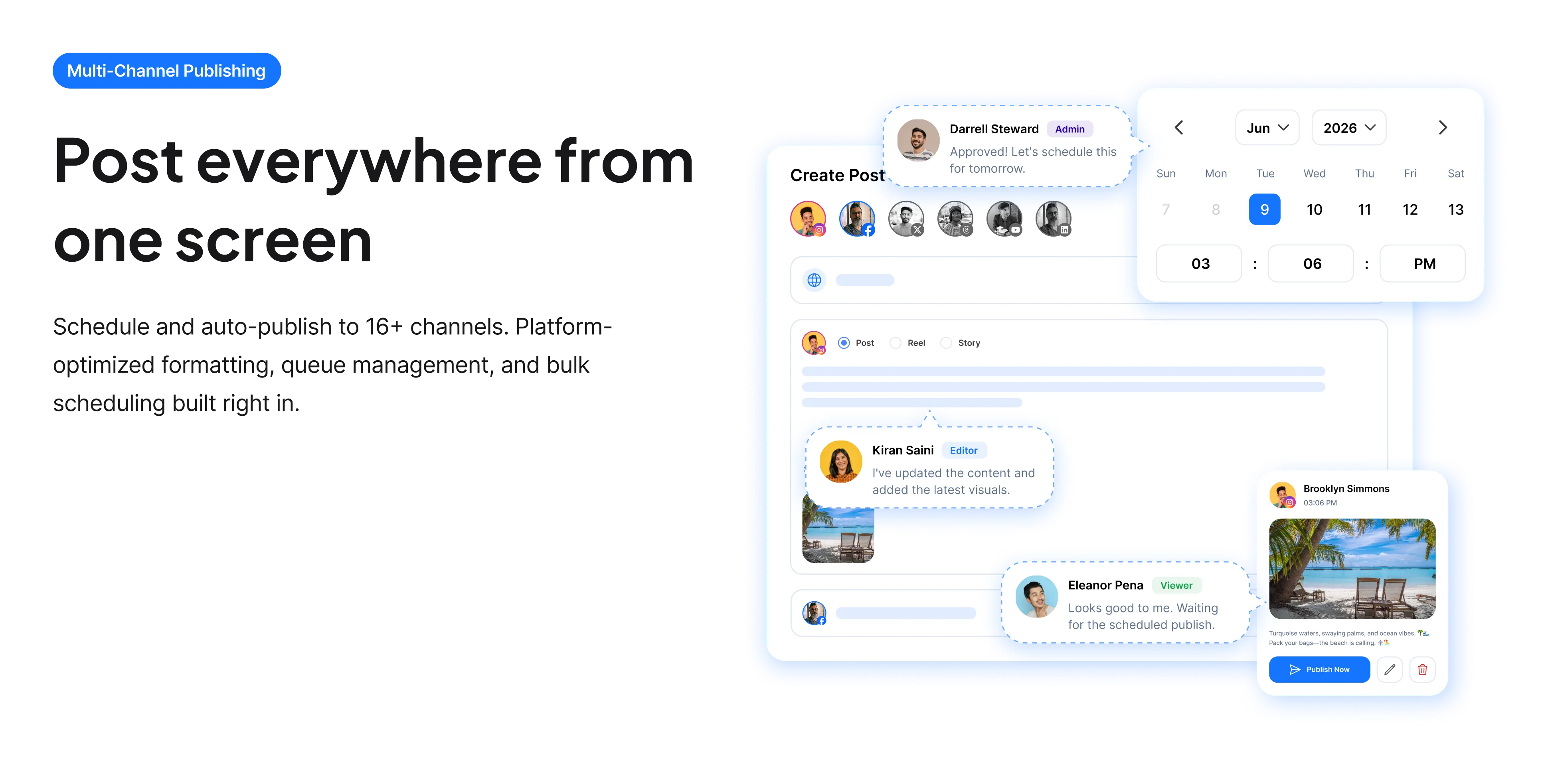
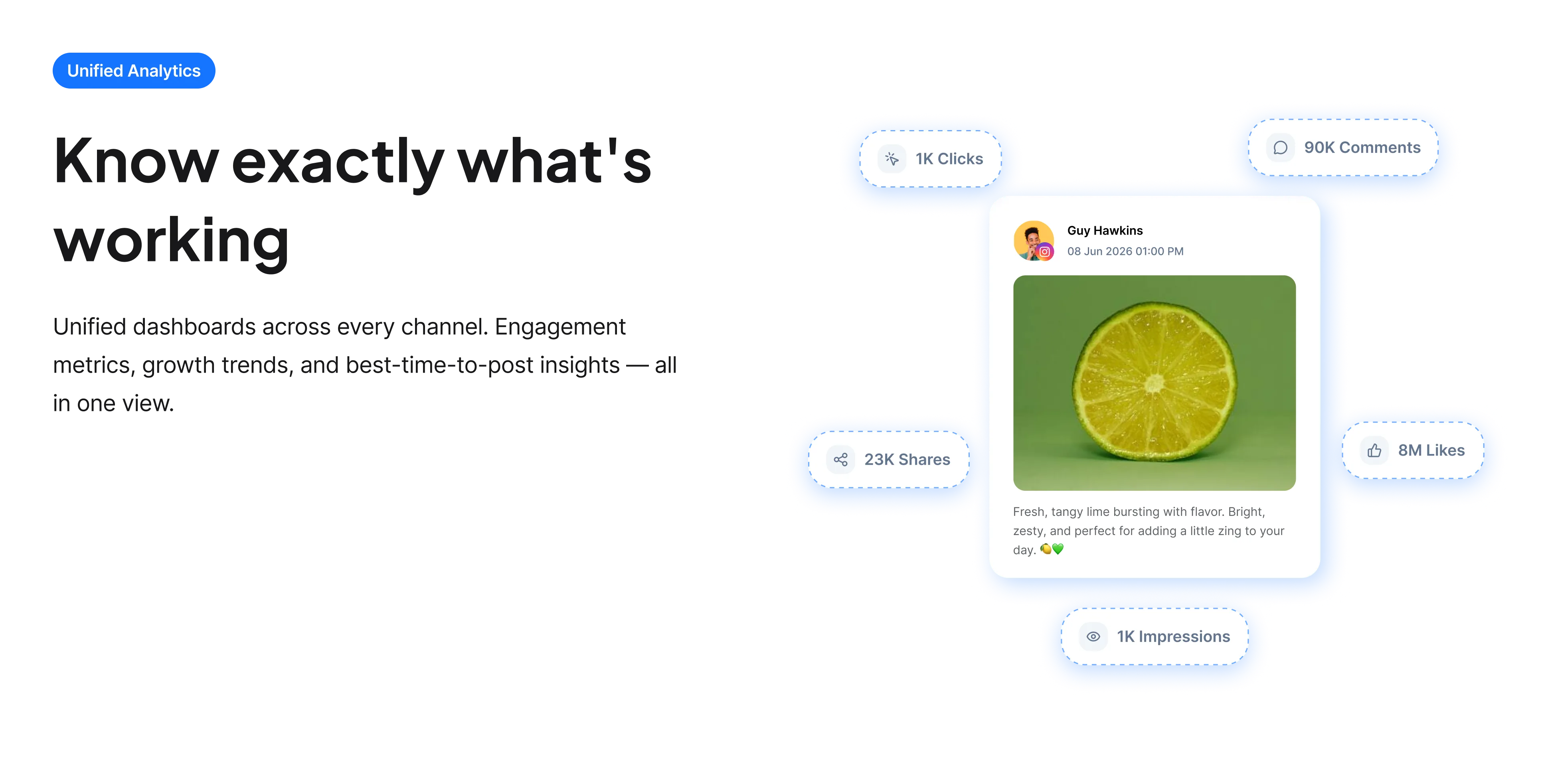
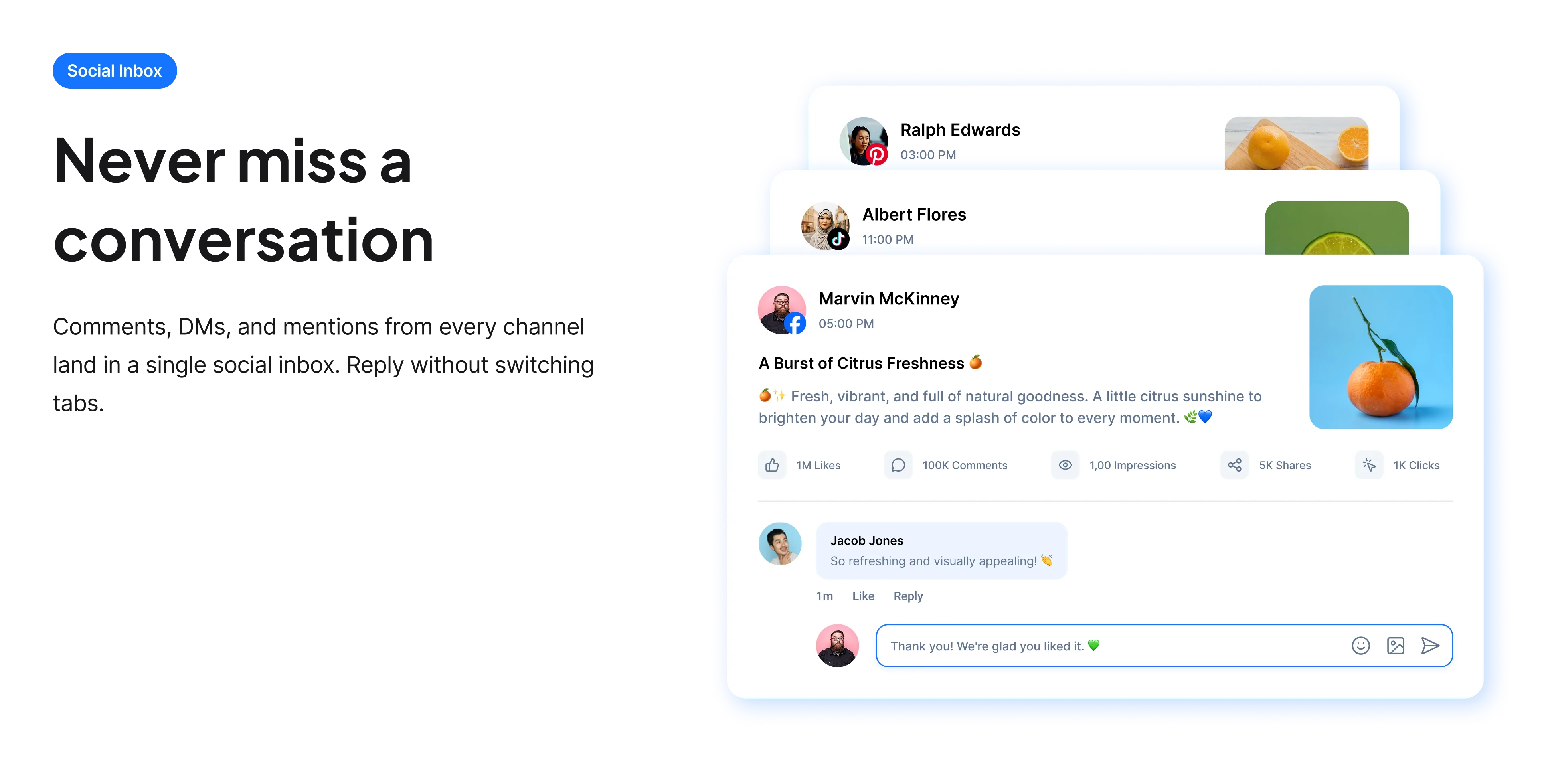
The free tools solve one task at a time. RepeatPost handles the whole loop: write the post, publish it everywhere, then see what landed.
The free tools are the warm up. RepeatPost plans, writes and publishes across every channel you post to.
Free plan to start
No credit card required
Cancel anytime
Because feeds are built for images. A text post competes on a platform optimized to show pictures, so the same sentence set as a graphic gets more attention, more saves and more reshares to stories. Quote images are also unusually shareable: people repost something that articulates what they think, which puts your words in front of an audience you do not have. The trade off is that text inside an image is invisible to search engines and to screen readers, which is why the caption matters as much as the graphic.
Most quote graphics fail on legibility rather than on the words.
Quote graphics are where misattribution spreads fastest, because an image travels much further than a correction ever does.
Anyone whose best material is a sentence rather than a photograph.
Sizes to export and roughly how much text each shape holds.
| Placement | Ratio | Text guidance |
|---|---|---|
| Instagram feed square | 1:1 | Around 20 to 30 words maximum |
| Instagram portrait | 4:5 | Slightly more room, more feed space |
| Stories | 9:16 | Keep text clear of the top and bottom |
| X and LinkedIn | 16:9 | Wide lines, keep them short |
| 2:3 | Tall images perform best | |
| Output format | PNG | Sharper text than JPG |
| Searchable | No | Repeat the quote in your caption |
| Cost | Free | No account and no card |
Word counts are guidance for legibility at phone size rather than hard limits. Ratios reflect what platforms display well as of September 2026.
Text in an image is invisible to search engines and to screen readers, so never put information people actually need only in the graphic. Repeat it in the caption every time. It is also the wrong tool for long passages: anything beyond roughly thirty words stops being readable at feed size, and a carousel or a plain text post will serve you better. For framing a screenshot rather than typesetting text, use the screenshot background maker, and if the words themselves are the problem rather than the presentation, the slogan generator is a better starting point.
“Honestly, the calendar is what sold me. I could see every channel in one view and spot the week we'd gone quiet. Before this I was juggling three spreadsheets and a Slack thread. Now I plan the month on a Monday morning and I'm done by half ten.”
Hannah Whitfield
Marketing Manager
United KingdomJun 14, 2026“We run social for eleven clients and keeping them separate used to be a genuine anxiety of mine. Workspaces fixed that. Each client sits in their own space, approvals route to the right person, and I've stopped worrying that someone's going to push a dental practice promo to a restaurant account at 6am.”
Marcus Reed
Agency Owner
United StatesJun 29, 2026“I batch a fortnight of content on a Sunday arvo and then I don't think about it again. Reckon it's saved me a solid day a week. Only gripe is the mobile app still feels a step behind the web version, so I do the actual planning on my laptop. Everything else is spot on.”
Chloe Baxter
Content Creator
AustraliaJul 11, 2026“I'm handling social for four small brands and writing captions was eating my whole morning. The AI drafts are actually quite usable now. I still rewrite maybe every third one to sound like the client, but starting from something beats staring at a blank box. The hashtag tool alone I'm using daily.”
Ananya Raghavan
Freelance Social Media Manager
IndiaJul 30, 2026“I sell fabrics and my customers find me on Instagram mostly. Posting used to be whenever I remembered, which was maybe twice a week. Now I sit down every Sunday evening, load up two weeks, and it goes out on its own. Sales have followed. I'd like to see WhatsApp added properly, that's my one ask.”
Chidinma Eze
Small Business Owner
NigeriaAug 18, 2026“Our team is five people and we were losing posts in Slack threads. Someone would approve something, someone else would tweak it, and nobody knew which version went live. The approval flow sorted that in a week. Fair play, it's the least glamorous feature on the site and it's the one I'd miss most.”
Niamh Gallagher
Social Media Lead
IrelandSep 02, 2026FAQs
Roughly 20 to 30 words at most for a square image. The test is whether it can be read in about three seconds at phone size, because that is the attention a feed image actually gets before someone scrolls past it.
Yes, every time. Text inside an image cannot be read by search engines or screen readers, so the caption is what makes your words findable and accessible. It also lets people copy the line rather than retyping it.
Check it against a reliable source before posting rather than trusting another graphic you saw. Misattribution spreads through quote images specifically, because the picture travels much further than any correction. If you cannot verify it, leave it unattributed.
A short line with clear attribution is normal practice. Longer passages and song lyrics are copyrighted, and reproducing a full verse as a graphic is a genuine rights issue rather than a grey area. Keep excerpts short and credited.
Match the destination: square for Instagram feed, 4:5 for more feed space, 9:16 for stories, 2:3 for Pinterest and 16:9 for X and LinkedIn. Leaving margin around the text stops it being cropped when reshared.
Platforms compress uploads, and small or thin text suffers most. Increase the font size, use a heavier weight and export as PNG rather than JPG. Text that looks slightly too large on your monitor is usually about right on a phone.
Create your free account and start managing 16+ channels with AI in minutes.
Get started for freeFree plan to start
No Credit Card Required
Cancel anytime