Script generator
Free Script Generator
Not every script is for a social feed. Explainers, ads, product demos, webinars and conference talks all have their own shape, and this handles the formats the platform specific generators do not cover.
Also, you can check YouTube Script or Podcast Script or More
Covers explainers, ads, demos and talks
Structure adapts to the format you pick
Free to use, no account needed
These tools stay free because people chip in. Buy us a coffee ☕
Something broken, or a tool you wish we had? Tell us what you need


More free tools
People who use the Script Generator also reach for these
Every tool here is free, runs in your browser and needs no account.
Inside RepeatPost
What you get when the free tool is not enough
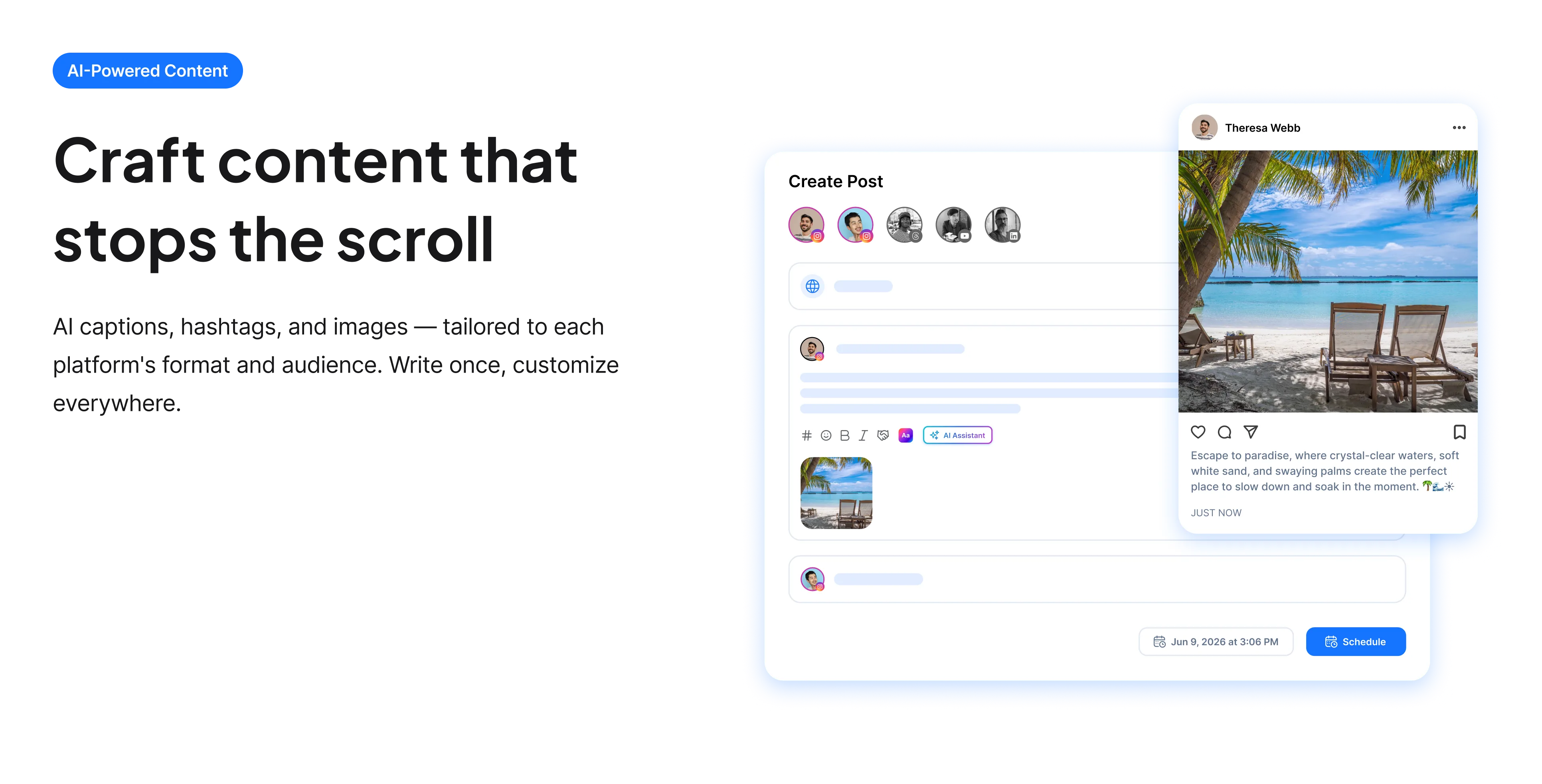
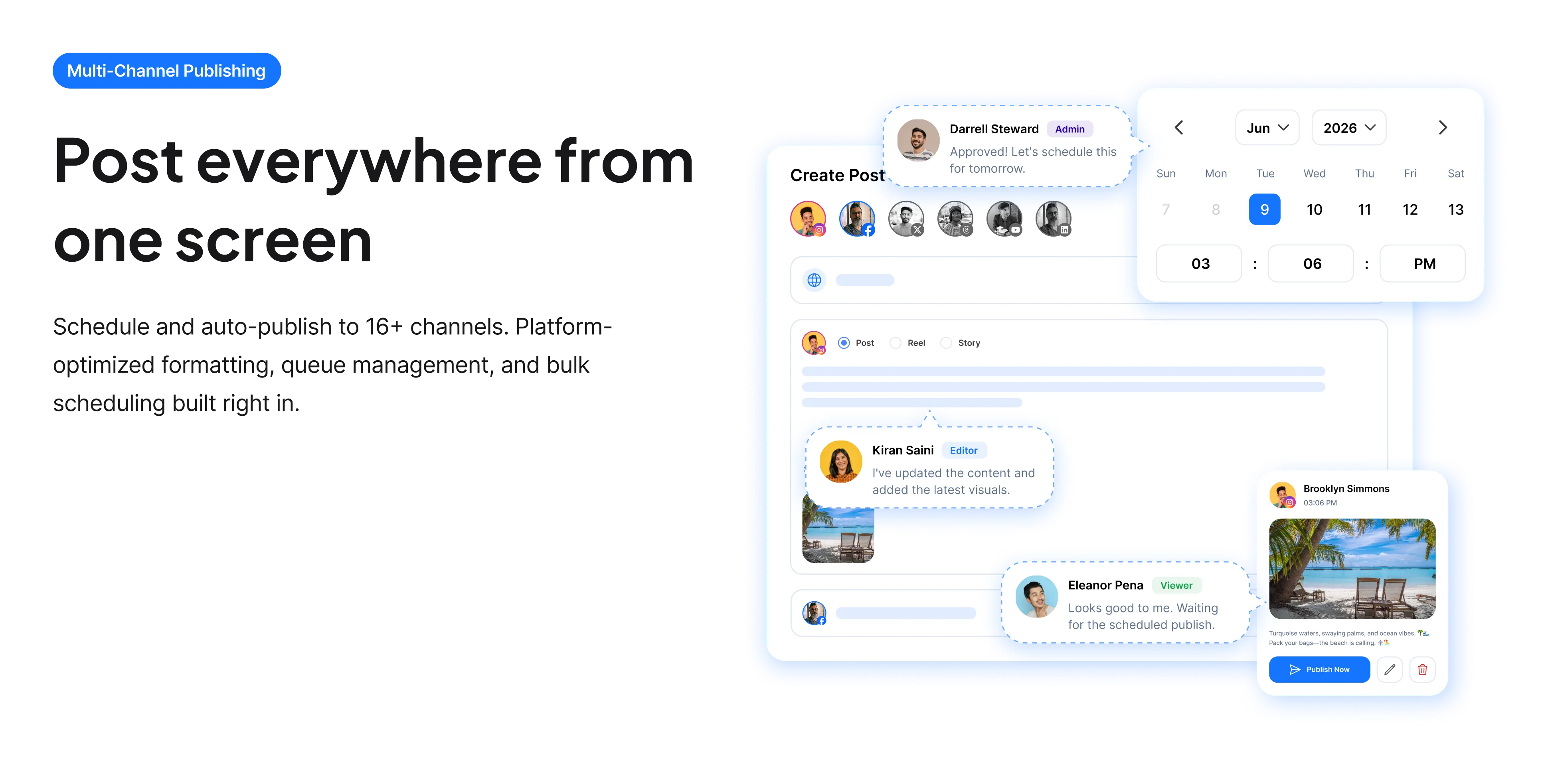
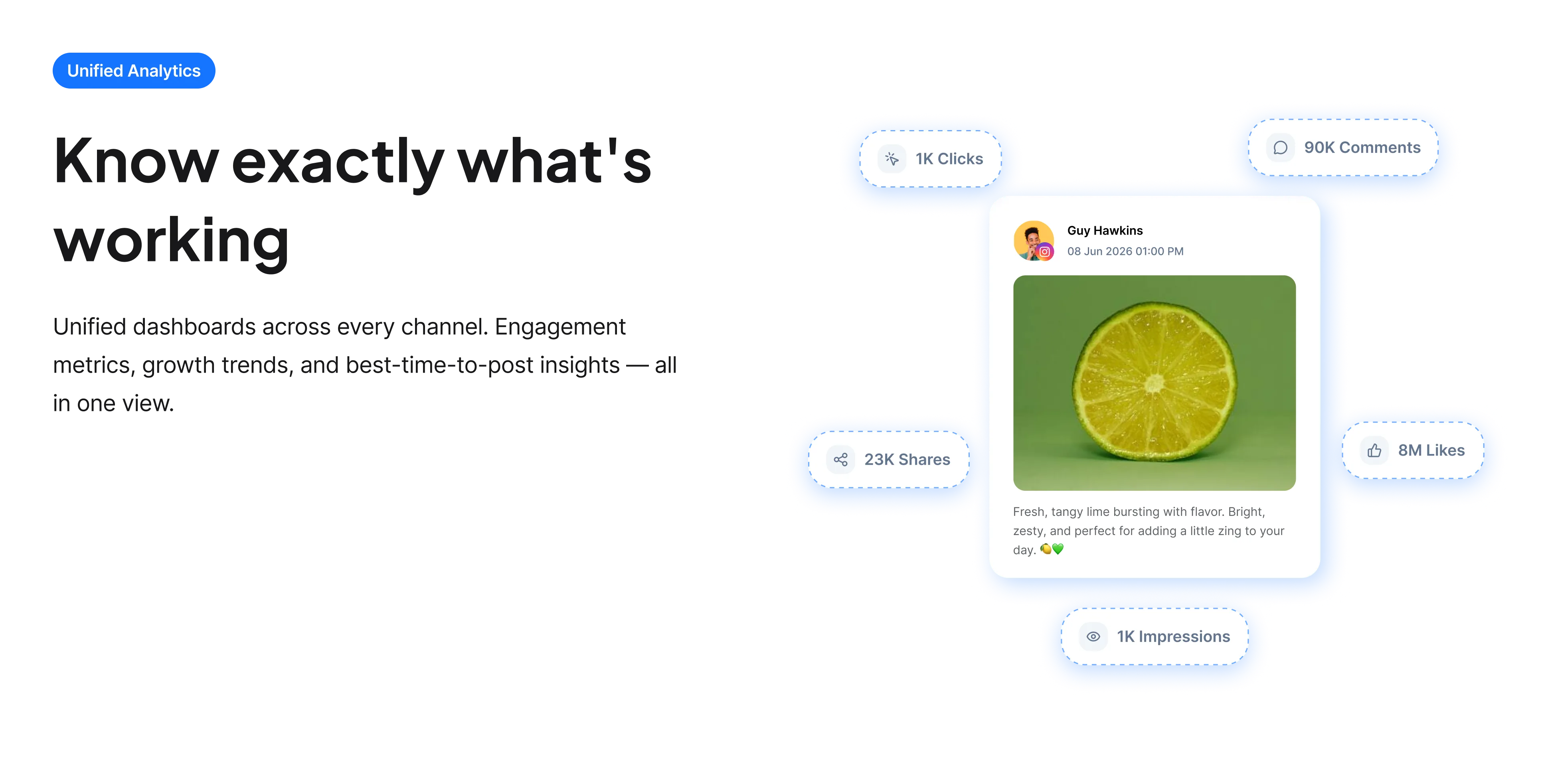
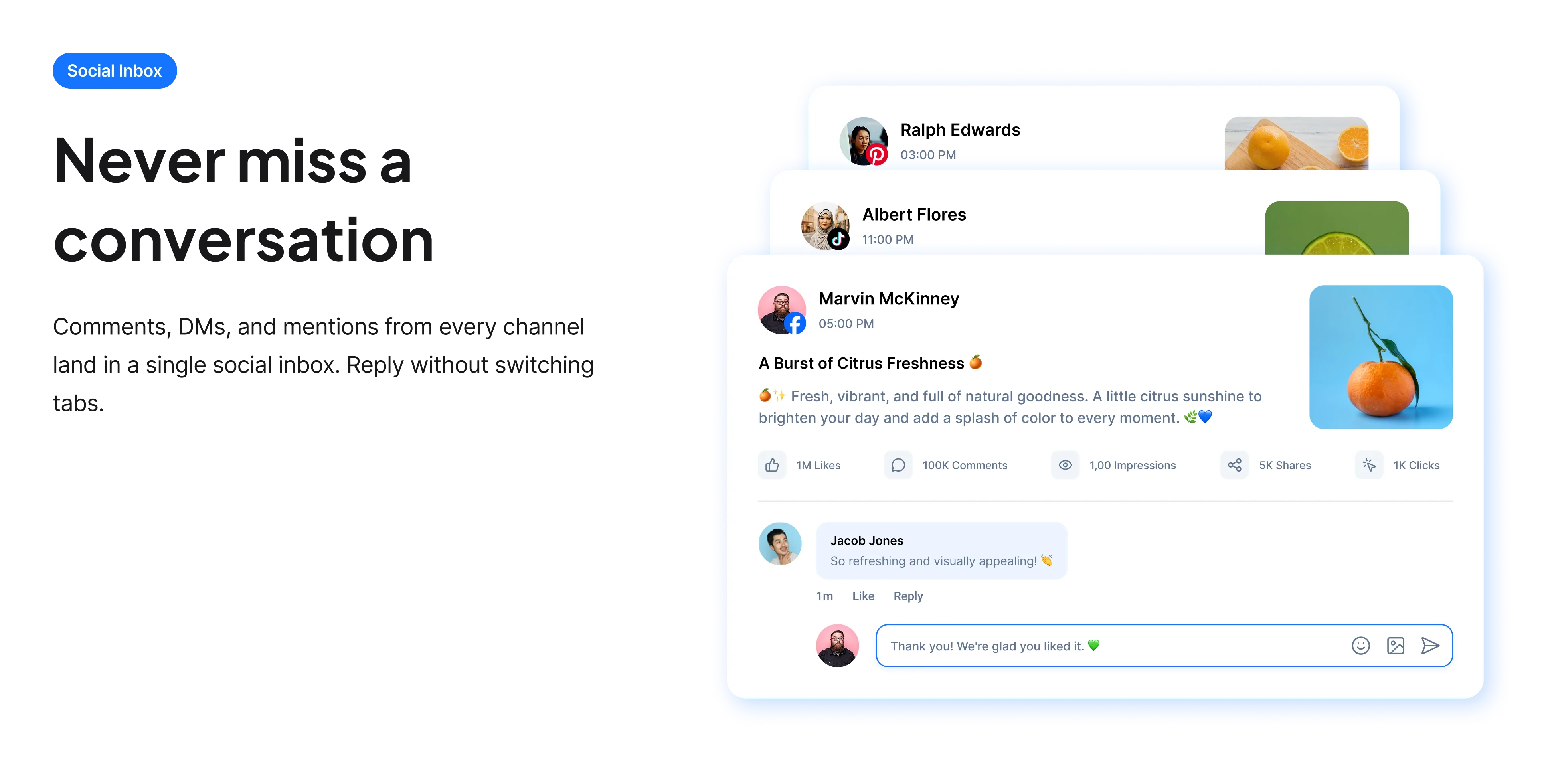
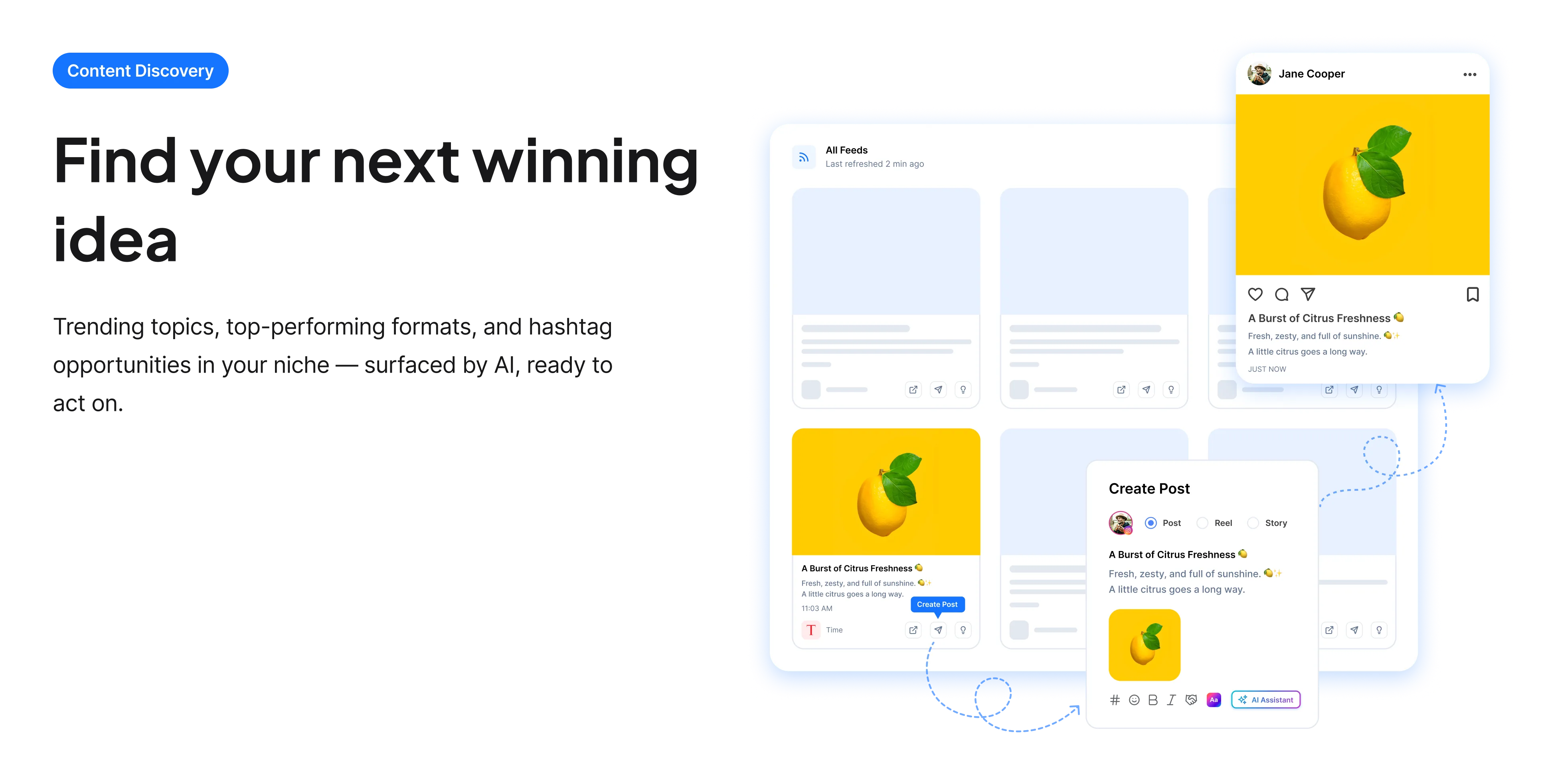
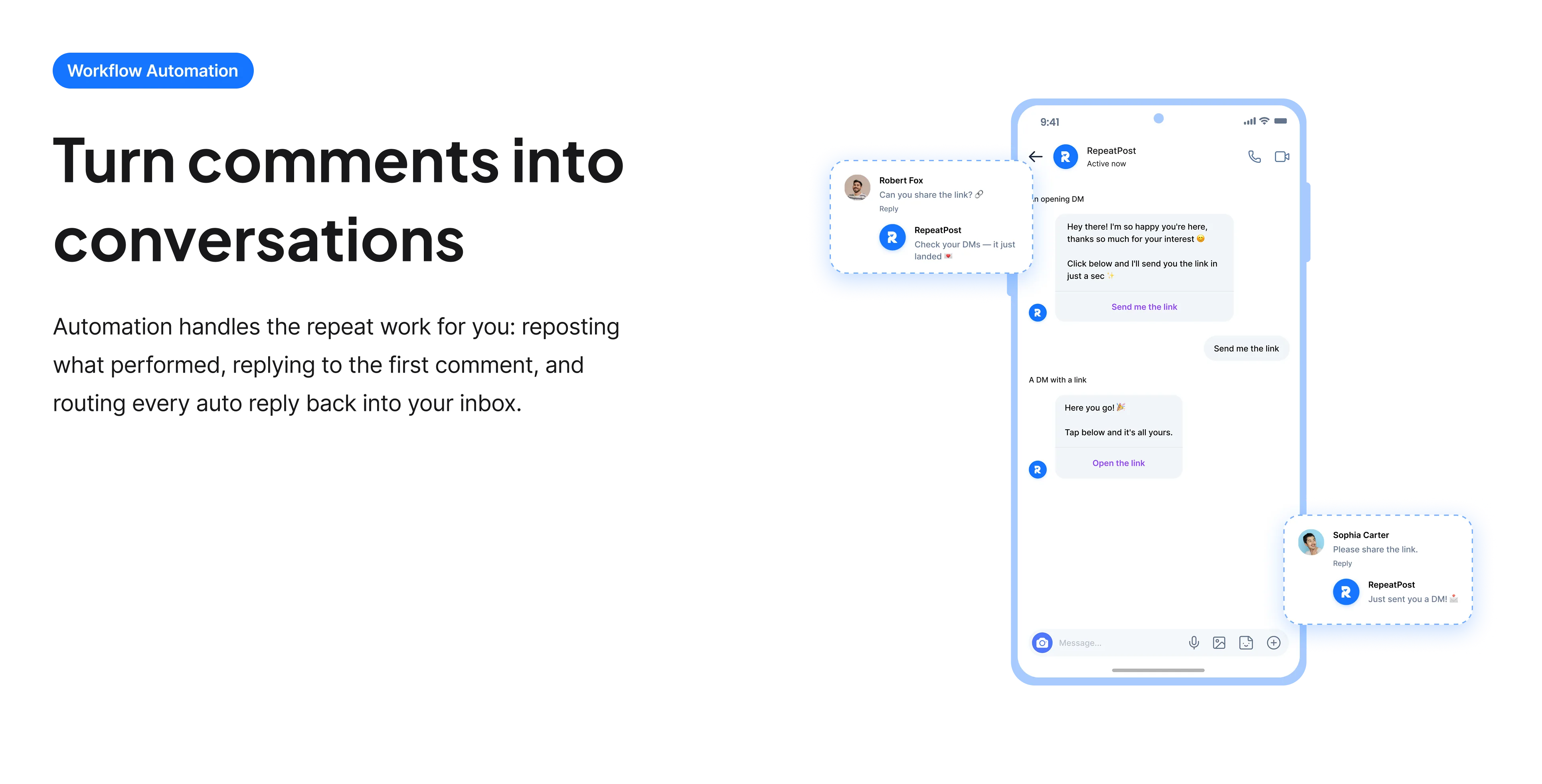
The free tools solve one task at a time. RepeatPost handles the whole loop: write the post, publish it everywhere, then see what landed.
Ready to get started?
The free tools are the warm up. RepeatPost plans, writes and publishes across every channel you post to.
Free plan to start
No credit card required
Cancel anytime
All about the script generator
What is a general purpose script generator?
This one handles the formats that do not fit a social platform. An explainer has to introduce a concept before it can use it. An advertisement has perhaps five seconds to establish relevance and must end on a single clear action. A product demo follows the order a user would actually do things rather than the order your feature list is written in. A conference talk needs one argument, not six. The generator asks which format you are writing and applies the structure that format demands, rather than producing generic video copy.
How structure changes by format
These differences are the reason a single generic script template serves none of them well.
- Explainers move from problem to concept to example. Introducing terminology before the problem that motivates it is the classic way to lose people.
- Ads establish relevance immediately, hold one idea, and close on one action. A second call to action reliably reduces the response to the first.
- Product demos follow the user journey rather than the feature list, because prospects are watching to see whether their problem gets solved, not to see your menu structure.
- Webinars need an agenda up front and an interaction roughly every five minutes, since attention in a browser tab decays faster than in a room.
- Conference talks carry one argument supported by three points at most. A talk trying to make six points is remembered for none.
- Training scripts need checkpoints, because the audience has to retain the content rather than merely enjoy it.
Writing a script people can actually deliver
A script that reads well on the page and cannot be spoken is a common and avoidable failure.
- Read every draft aloud. Sentences that work in writing frequently collapse when spoken, and you find those in seconds by reading rather than by rereading.
- Keep sentences short enough to say in one breath. Long subordinate clauses are the main reason a delivery sounds laboured.
- Write out numbers and abbreviations the way you will say them, so nothing has to be decoded live.
- Mark where you will pause. Scripts without breathing room get rushed, and rushing is the most common delivery problem.
- Time it against the real runtime before you commit, especially for ads where the limit is absolute.
Who uses this tool
Mostly people writing for contexts outside the social feed.
- Founders preparing a demo or an investor pitch, where the same product story needs a different shape for each audience.
- Marketers writing ad scripts to a hard time limit, where every second removed has to come from somewhere.
- Trainers and educators building course modules with retention checkpoints.
- Anyone giving a conference talk and struggling to cut their material down to one argument.
- Support and product teams recording help videos, usually people who do not write scripts as part of their normal job.
Format structures at a glance
What the generator produces for each format, and the structural rule behind it.
| Format | Structure | Key rule |
|---|---|---|
| Explainer | Problem, concept, example | Motivate terms before using them |
| Advertisement | Hook, one idea, one action | Never two calls to action |
| Product demo | User journey order | Not the feature list order |
| Webinar | Agenda, segments, interaction | Engage roughly every five minutes |
| Conference talk | One argument, three points | Six points equals none remembered |
| Training | Segments with checkpoints | Built for retention, not enjoyment |
| Cost | Free | No account and no card |
| Rights to the output | Yours to use commercially | Including client work |
These structures are working conventions rather than rules. They are a sound starting point, and a format you know well is worth deviating from deliberately.
When this is not the right tool
For social video, use the platform specific generators instead: the TikTok script generator and the YouTube script generator are built around retention behavior this general tool does not model. It also cannot supply the specifics that make a script persuasive, which are your real numbers, your real customer examples and claims you can actually support. Anything regulated, such as financial or medical advertising, needs review by someone qualified rather than a generated draft, because the wording in those contexts is the compliance.
How teams picture using RepeatPost
“Honestly, the calendar is what sold me. I could see every channel in one view and spot the week we'd gone quiet. Before this I was juggling three spreadsheets and a Slack thread. Now I plan the month on a Monday morning and I'm done by half ten.”
Hannah Whitfield
Marketing Manager
United KingdomJun 14, 2026“We run social for eleven clients and keeping them separate used to be a genuine anxiety of mine. Workspaces fixed that. Each client sits in their own space, approvals route to the right person, and I've stopped worrying that someone's going to push a dental practice promo to a restaurant account at 6am.”
Marcus Reed
Agency Owner
United StatesJun 29, 2026“I batch a fortnight of content on a Sunday arvo and then I don't think about it again. Reckon it's saved me a solid day a week. Only gripe is the mobile app still feels a step behind the web version, so I do the actual planning on my laptop. Everything else is spot on.”
Chloe Baxter
Content Creator
AustraliaJul 11, 2026“I'm handling social for four small brands and writing captions was eating my whole morning. The AI drafts are actually quite usable now. I still rewrite maybe every third one to sound like the client, but starting from something beats staring at a blank box. The hashtag tool alone I'm using daily.”
Ananya Raghavan
Freelance Social Media Manager
IndiaJul 30, 2026“I sell fabrics and my customers find me on Instagram mostly. Posting used to be whenever I remembered, which was maybe twice a week. Now I sit down every Sunday evening, load up two weeks, and it goes out on its own. Sales have followed. I'd like to see WhatsApp added properly, that's my one ask.”
Chidinma Eze
Small Business Owner
NigeriaAug 18, 2026“Our team is five people and we were losing posts in Slack threads. Someone would approve something, someone else would tweak it, and nobody knew which version went live. The approval flow sorted that in a week. Fair play, it's the least glamorous feature on the site and it's the one I'd miss most.”
Niamh Gallagher
Social Media Lead
IrelandSep 02, 2026FAQs
Frequently Asked
Questions
Explainers, advertisements, product demos, webinars, presentations and training scripts. For social video the platform specific generators are a better fit, since TikTok and YouTube have retention patterns that call for structures this general tool does not apply.
Because structure follows format. An ad has seconds to establish relevance and one action to drive, while an explainer has to motivate a concept before using it. A single generic template produces something that fits neither properly.
Work backwards from the slot. At roughly 150 spoken words per minute a thirty second ad is about 75 words, and that is before you leave room to breathe. Time it aloud, because ad limits are absolute rather than approximate.
Yes, and the structural discipline tends to help most there. Talks usually fail by carrying too many points, so a structure built around one argument with three supporting points is often the useful correction rather than a limitation.
No. Demos work best in the order a user would actually do things, because prospects are watching to see their own problem get solved. A tour of your menu structure is organized around your product rather than around their question.
Use it for a draft, but have anything regulated reviewed by someone qualified. In financial, medical and legal advertising the exact wording is the compliance, and a generated script cannot know your jurisdiction or your obligations.
Ready to get started?
Create your free account and start managing 16+ channels with AI in minutes.
Get started for freeFree plan to start
No Credit Card Required
Cancel anytime