YouTube script generator
Free YouTube Script Generator
YouTube retention graphs almost always show the same shape: a steep drop in the opening seconds, then a gentler slide. A good script fights the first part with a cold open and the second with a reason to stay for each segment.
Also, you can check Podcast Script or TikTok Script or More
Cold open written to beat the early drop off
Segmented body with chapter suggestions
Free to use, no account needed
These tools stay free because people chip in. Buy us a coffee ☕
Something broken, or a tool you wish we had? Tell us what you need


More free tools
People who use the YouTube Script Generator also reach for these
Every tool here is free, runs in your browser and needs no account.
Inside RepeatPost
What you get when the free tool is not enough
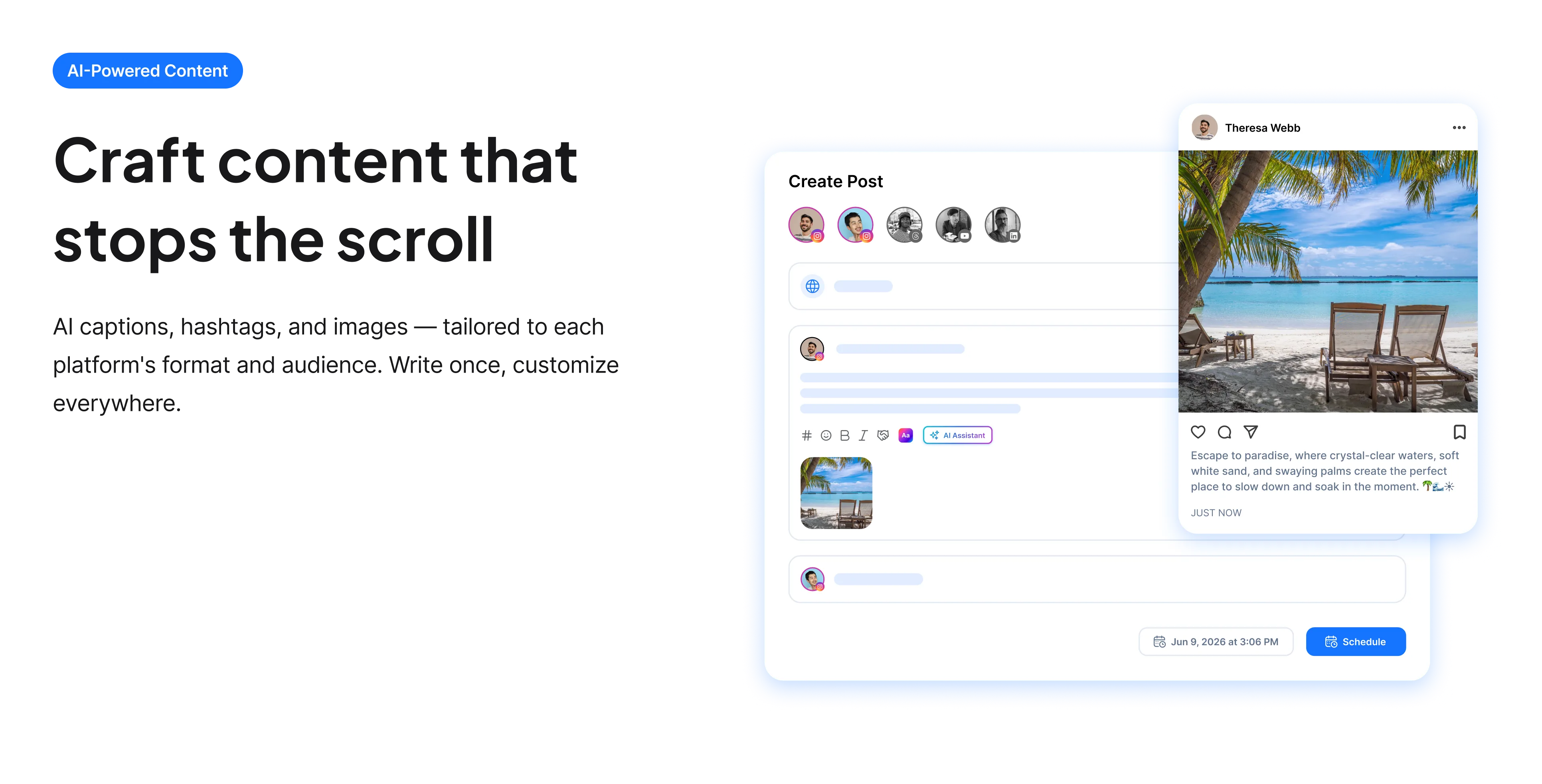
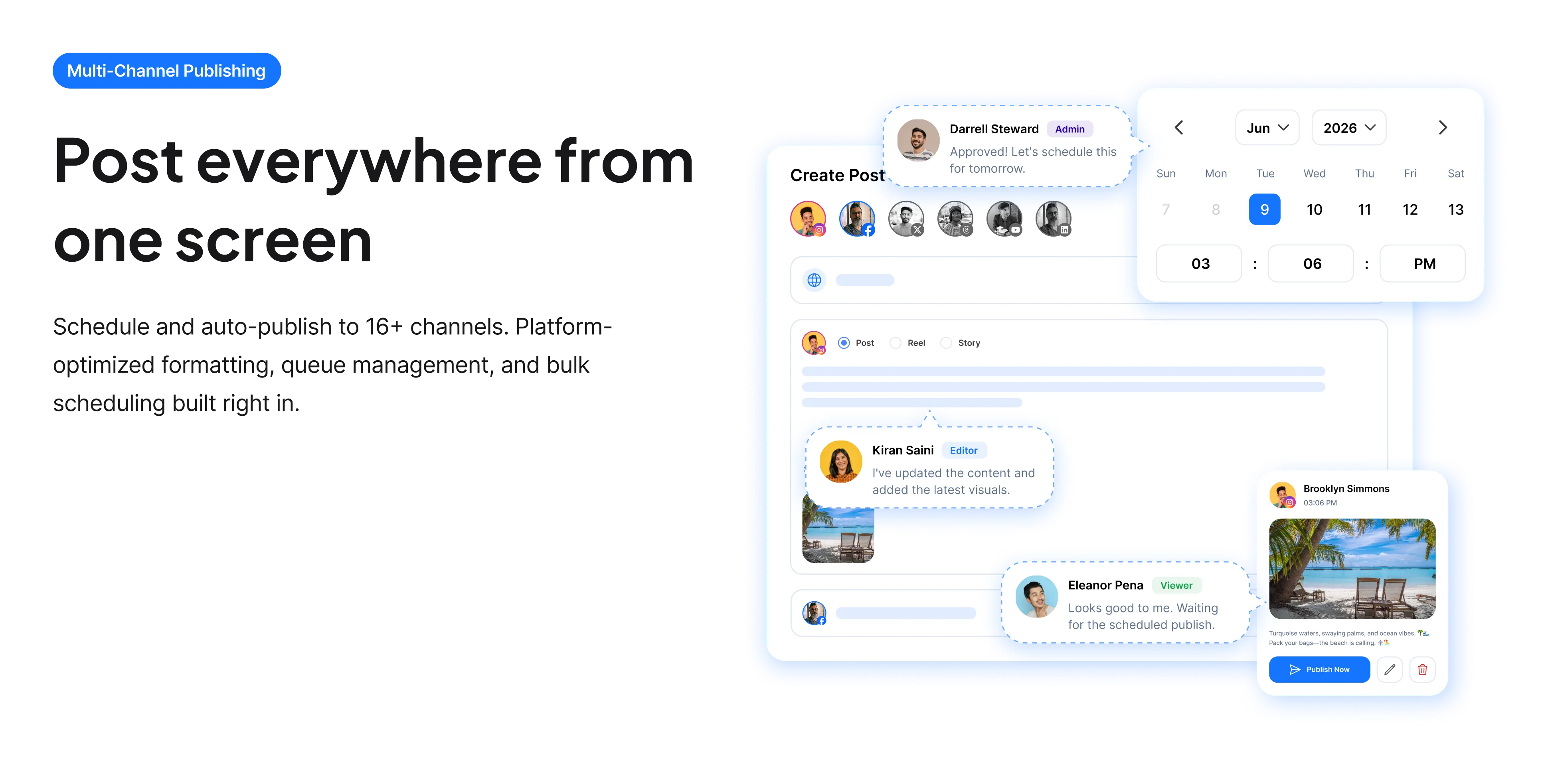
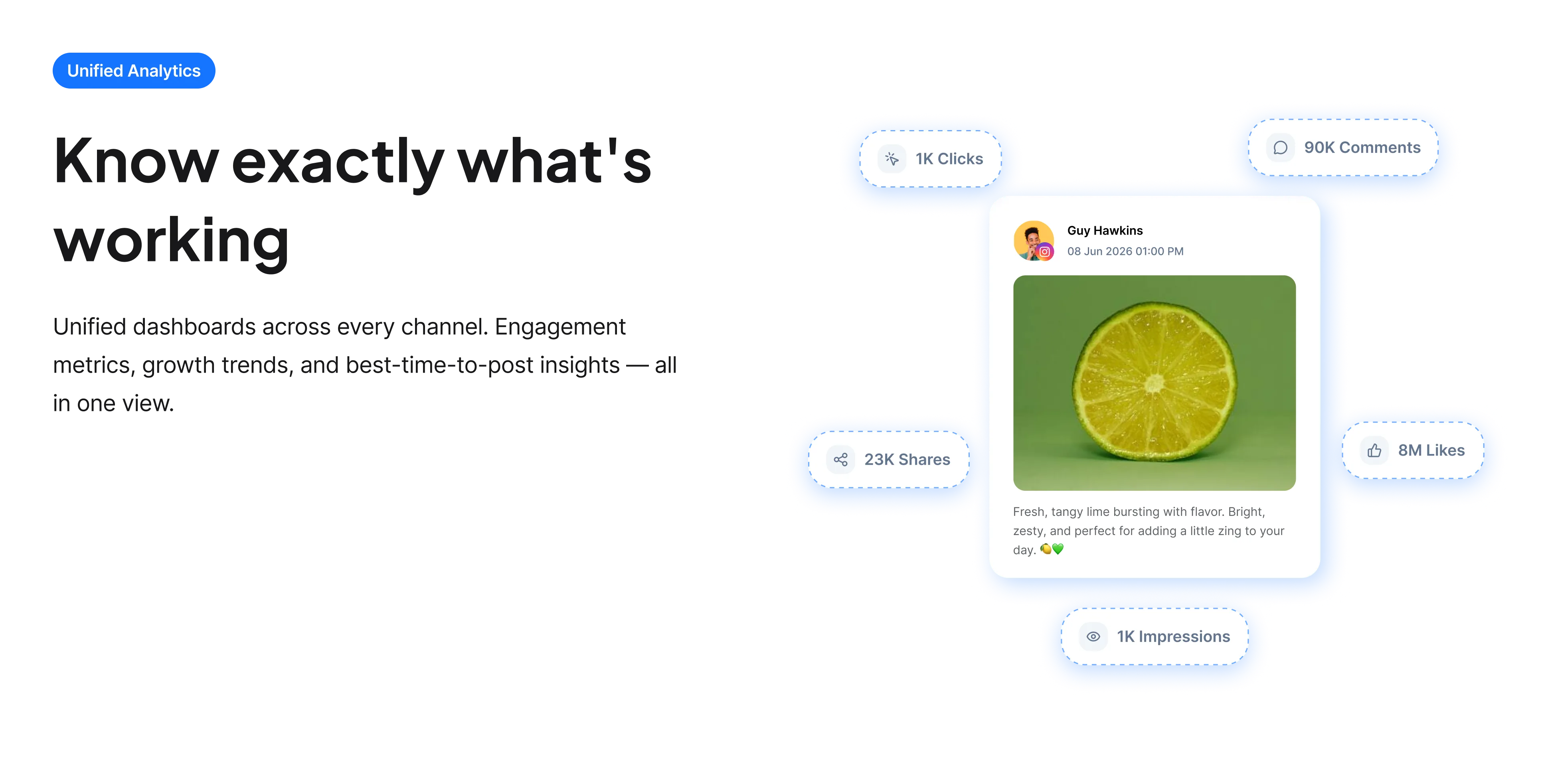
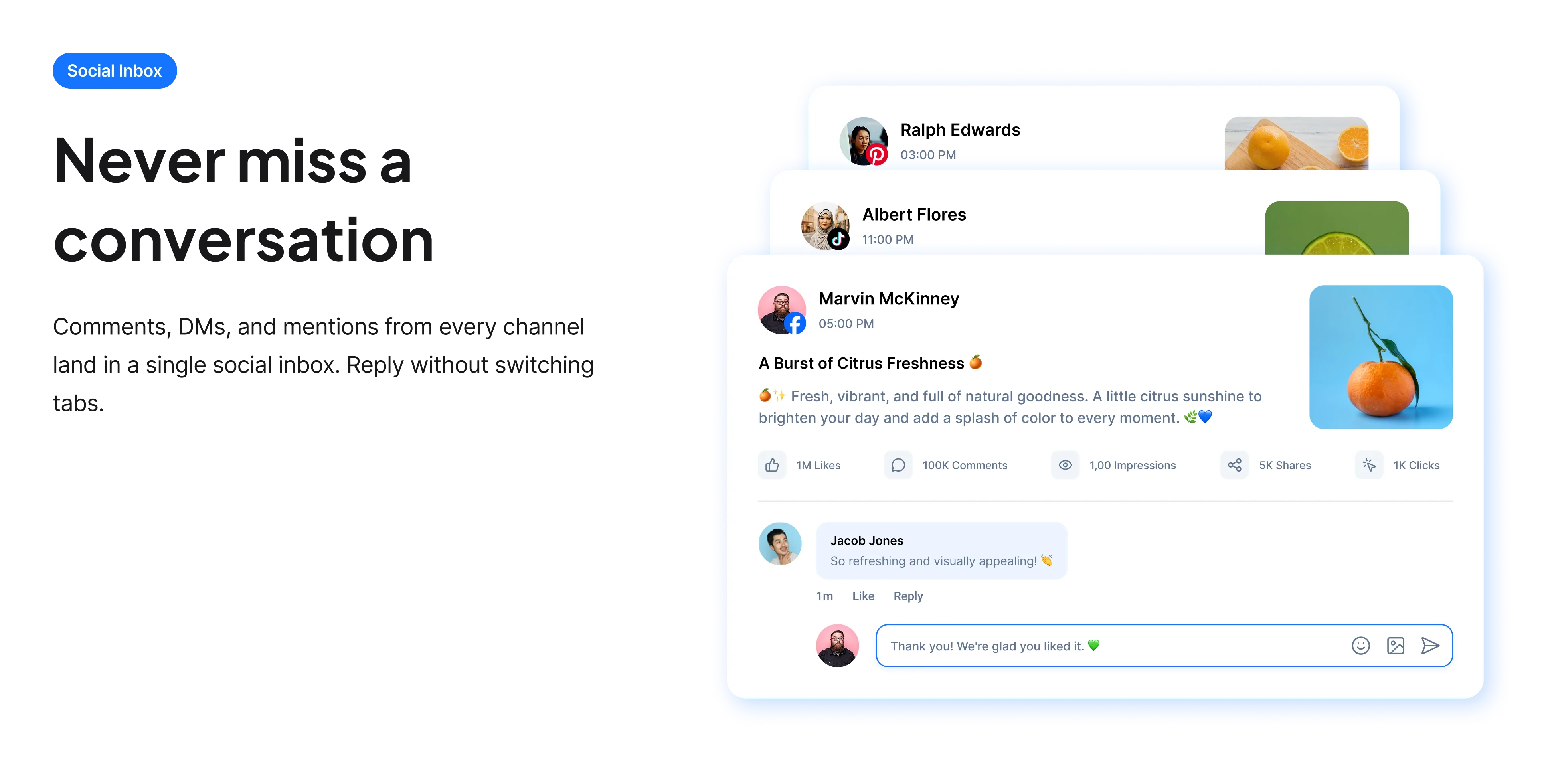
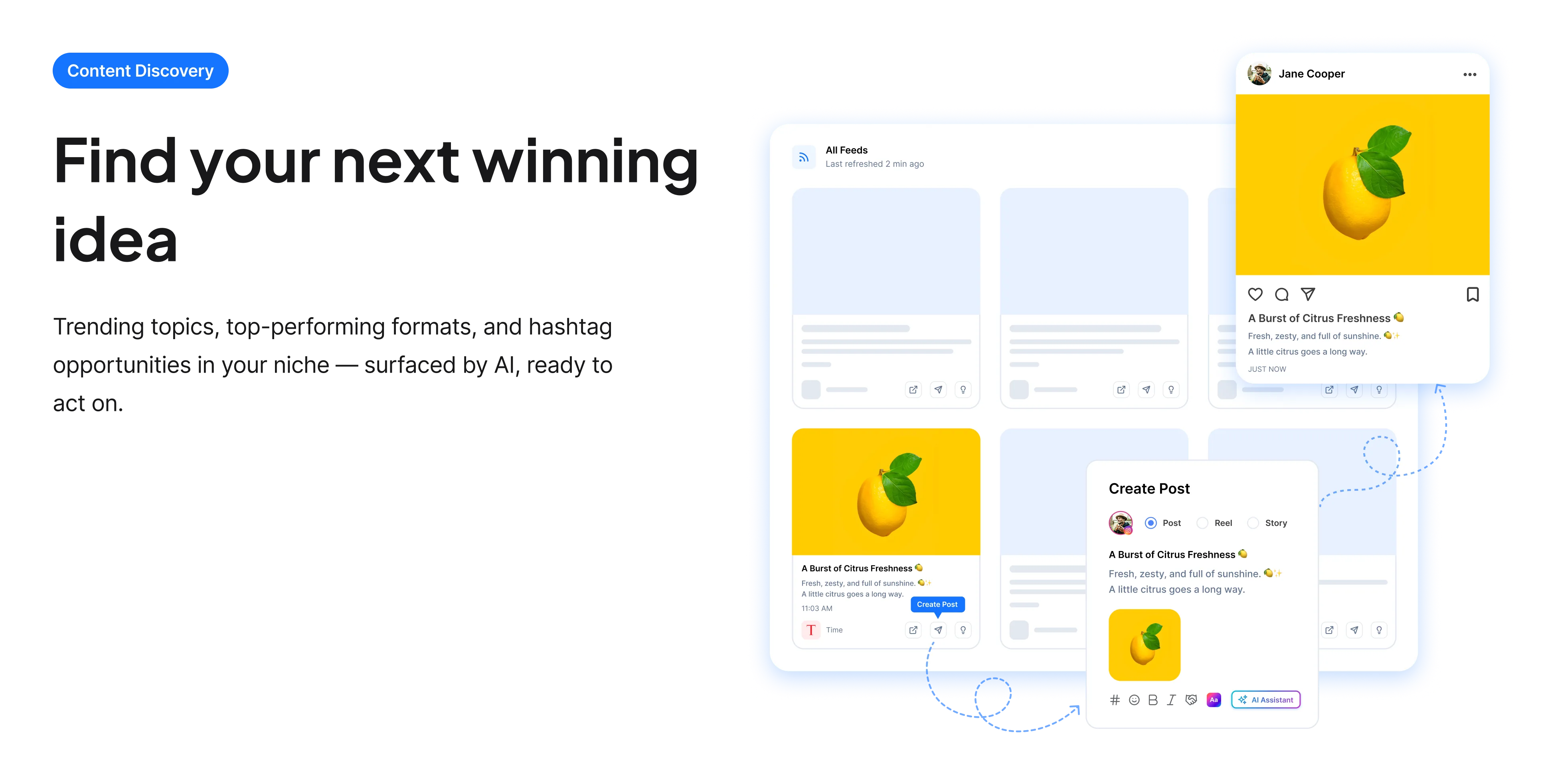
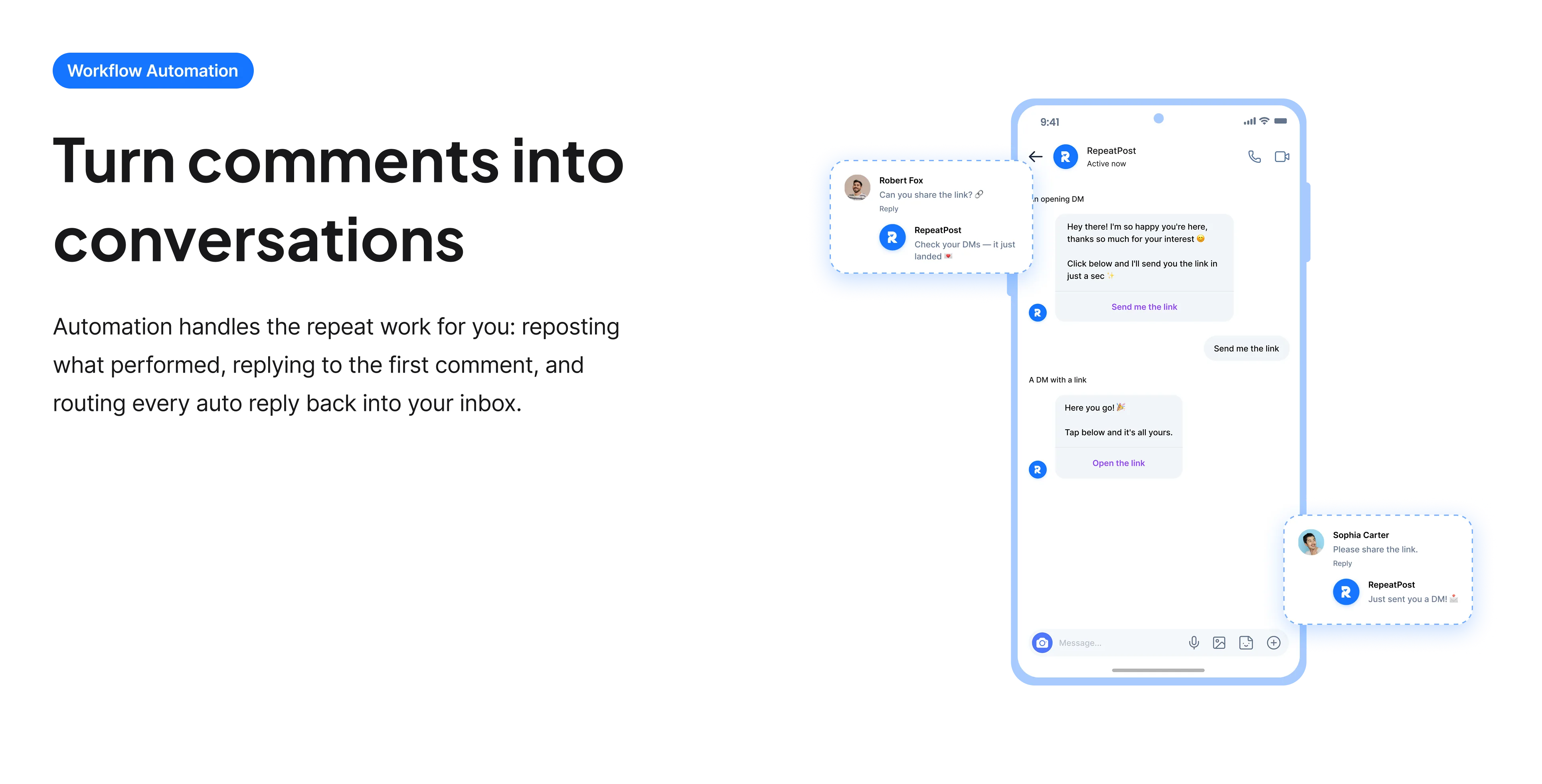
The free tools solve one task at a time. RepeatPost handles the whole loop: write the post, publish it everywhere, then see what landed.
Ready to get started?
The free tools are the warm up. RepeatPost plans, writes and publishes across every channel you post to.
Free plan to start
No credit card required
Cancel anytime
All about the YouTube script generator
What is a YouTube script generator?
A YouTube script generator produces the spoken structure of a video: what you say, in what order, and where each section ends. The problem it is built around is retention. YouTube surfaces videos that hold attention, and almost every retention graph shows a sharp fall in the opening seconds followed by a slow decline. The generator responds to that shape with a cold open that starts mid action rather than with a greeting, and a body split into segments that each give the viewer a reason to stay for the next one.
How to structure a video that holds retention
These are the structural moves that show up in the retention graph rather than in the comments.
- Open cold. Start inside the interesting part, then explain. A greeting, a channel introduction and a request to subscribe before any content is the single most reliable way to lose the opening seconds.
- Restate the promise the title made within the first fifteen seconds, so viewers know they are in the right place.
- Break the body into segments with a clear end. A viewer deciding whether to keep watching does it at segment boundaries, so each one should close by opening the next.
- Put the subscribe request after you have delivered something, not before. Asking first is asking on credit.
- Cut the outro short. Long sign offs produce a retention cliff that drags your average watch time down for no benefit.
- Write chapters as you go. They help viewers navigate and they make the structure legible to you while you are still editing.
Getting a better script from the tool
The generator improves sharply when it knows the shape of the video rather than just its subject.
- Give it the exact title you plan to use. The script should deliver that specific promise, and a vague topic produces a vague structure.
- Say what the viewer should be able to do or understand afterwards. That single sentence does more for the structure than any amount of topic detail.
- Name the format explicitly: tutorial, comparison, essay, review, or reaction. Each has a different pacing and a different place for the payoff.
- Tell it what you can actually film. A script full of b roll and location changes is useless if you are shooting at a desk.
- Generate the structure first, then write the sections you know well yourself. The generator is most useful for the parts you find hardest to organise.
Who uses this tool
Long form video is where scripting pays off most, because there is more structure to get wrong.
- Creators moving from short video to long form, where the skills genuinely do not transfer and structure suddenly matters.
- Subject experts who can talk for an hour and need to compress that into twelve organized minutes.
- Educators building course content where the sequence has to be right the first time.
- Businesses producing product demos and explainers, usually filmed by someone who does not present for a living.
- Anyone whose analytics show a sharp fall in the first thirty seconds and who has worked out that the opening is the problem.
YouTube script and metadata specs
What the generator gives you, plus the platform limits the surrounding text has to fit.
| Detail | Value | Notes |
|---|---|---|
| Script structure | Cold open, intro, segments, close | Segmented for retention |
| Chapter titles | Suggested | Paste into the description with timestamps |
| Speaking pace | Roughly 150 words per minute | Time your own delivery |
| Description limit | 5,000 characters | First lines matter most |
| Title length | Around 60 characters visible | Mobile truncates sooner |
| Cost | Free | No account and no card |
| Generations | Daily limit, resets each day | Sized for normal use |
| Rights to the output | Yours to use commercially | Including client work |
Platform limits checked in September 2026. The words per minute figure is a timing guide rather than a rule, since delivery speed varies a lot between presenters.
When this is not the right tool
It cannot fix a video whose title promises something the content does not deliver, which is the most common retention problem and a positioning issue rather than a scripting one. It also has no view of your analytics, so it cannot tell you where your existing videos lose people. For short vertical video the structure is different enough that the TikTok script generator is the right tool instead. Once the video is made, the YouTube title generator and the YouTube keyword tool handle the parts that decide whether anyone clicks.
How teams picture using RepeatPost
“Honestly, the calendar is what sold me. I could see every channel in one view and spot the week we'd gone quiet. Before this I was juggling three spreadsheets and a Slack thread. Now I plan the month on a Monday morning and I'm done by half ten.”
Hannah Whitfield
Marketing Manager
United KingdomJun 14, 2026“We run social for eleven clients and keeping them separate used to be a genuine anxiety of mine. Workspaces fixed that. Each client sits in their own space, approvals route to the right person, and I've stopped worrying that someone's going to push a dental practice promo to a restaurant account at 6am.”
Marcus Reed
Agency Owner
United StatesJun 29, 2026“I batch a fortnight of content on a Sunday arvo and then I don't think about it again. Reckon it's saved me a solid day a week. Only gripe is the mobile app still feels a step behind the web version, so I do the actual planning on my laptop. Everything else is spot on.”
Chloe Baxter
Content Creator
AustraliaJul 11, 2026“I'm handling social for four small brands and writing captions was eating my whole morning. The AI drafts are actually quite usable now. I still rewrite maybe every third one to sound like the client, but starting from something beats staring at a blank box. The hashtag tool alone I'm using daily.”
Ananya Raghavan
Freelance Social Media Manager
IndiaJul 30, 2026“I sell fabrics and my customers find me on Instagram mostly. Posting used to be whenever I remembered, which was maybe twice a week. Now I sit down every Sunday evening, load up two weeks, and it goes out on its own. Sales have followed. I'd like to see WhatsApp added properly, that's my one ask.”
Chidinma Eze
Small Business Owner
NigeriaAug 18, 2026“Our team is five people and we were losing posts in Slack threads. Someone would approve something, someone else would tweak it, and nobody knew which version went live. The approval flow sorted that in a week. Fair play, it's the least glamorous feature on the site and it's the one I'd miss most.”
Niamh Gallagher
Social Media Lead
IrelandSep 02, 2026FAQs
Frequently Asked
Questions
Around 150 spoken words per minute is a workable estimate, so a ten minute video is roughly 1,500 words. Delivery speed varies a lot between presenters, so time yourself reading a page aloud once and use your own figure afterwards.
A cold open starts inside the content rather than with a greeting or a channel introduction. It matters because retention graphs show the steepest drop in the opening seconds, and viewers leave during preamble that has not yet given them anything.
After you have delivered something worth subscribing for, not at the start. An early request is asking before you have given, and it also occupies the seconds where you most need to be proving the video is worth watching.
It depends on the format. Tutorials and essays often benefit from tight scripting, while reviews and vlogs sound better looser. A common compromise is scripting the opening and the segment transitions and speaking freely in between.
It suggests chapter titles matched to the script segments, but the timestamps have to come from the finished edit since they depend on your actual runtime. Add the times after editing and paste the list into your description.
No. The generator has no access to your YouTube analytics, so it cannot tell you where viewers currently drop off. It applies general retention structure, and you should check it against your own graphs once the video is published.
Ready to get started?
Create your free account and start managing 16+ channels with AI in minutes.
Get started for freeFree plan to start
No Credit Card Required
Cancel anytime