Free Podcast Script Generator
Free AI Podcast Script Generator
A podcast read word for word sounds like a podcast read word for word. This produces an outline instead: segments, talking points and questions you can speak around, so the episode has a shape without sounding recited.
Also, you can check TikTok Script or YouTube Script or More
Talking points to speak around, not a read aloud script
Segment structure with interview questions
Free to use, no account needed
These tools stay free because people chip in. Buy us a coffee ☕
Something broken, or a tool you wish we had? Tell us what you need


More free tools
People who use the Podcast Script Generator also reach for these
Every tool here is free, runs in your browser and needs no account.
Inside RepeatPost
What you get when the free tool is not enough
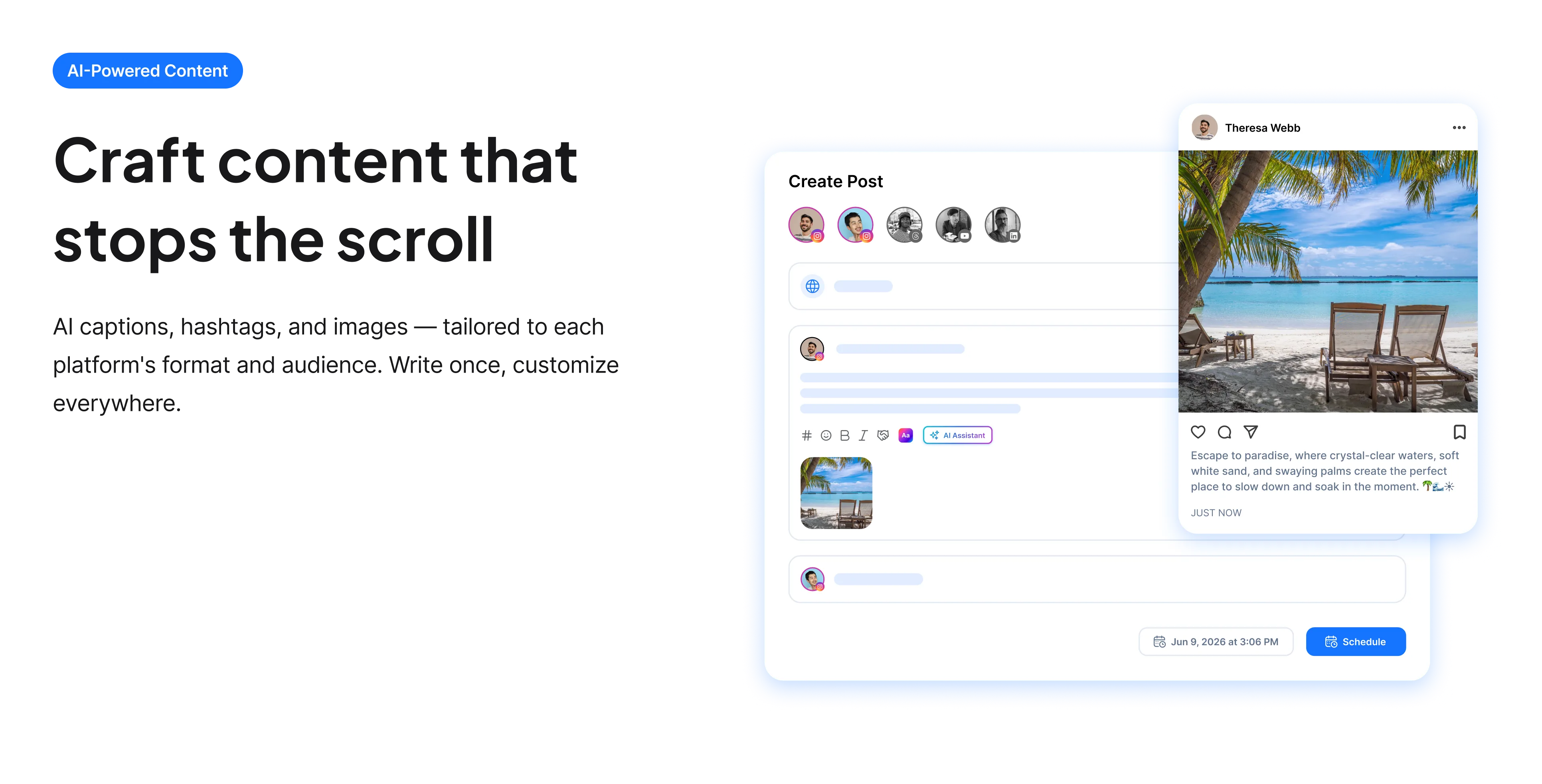
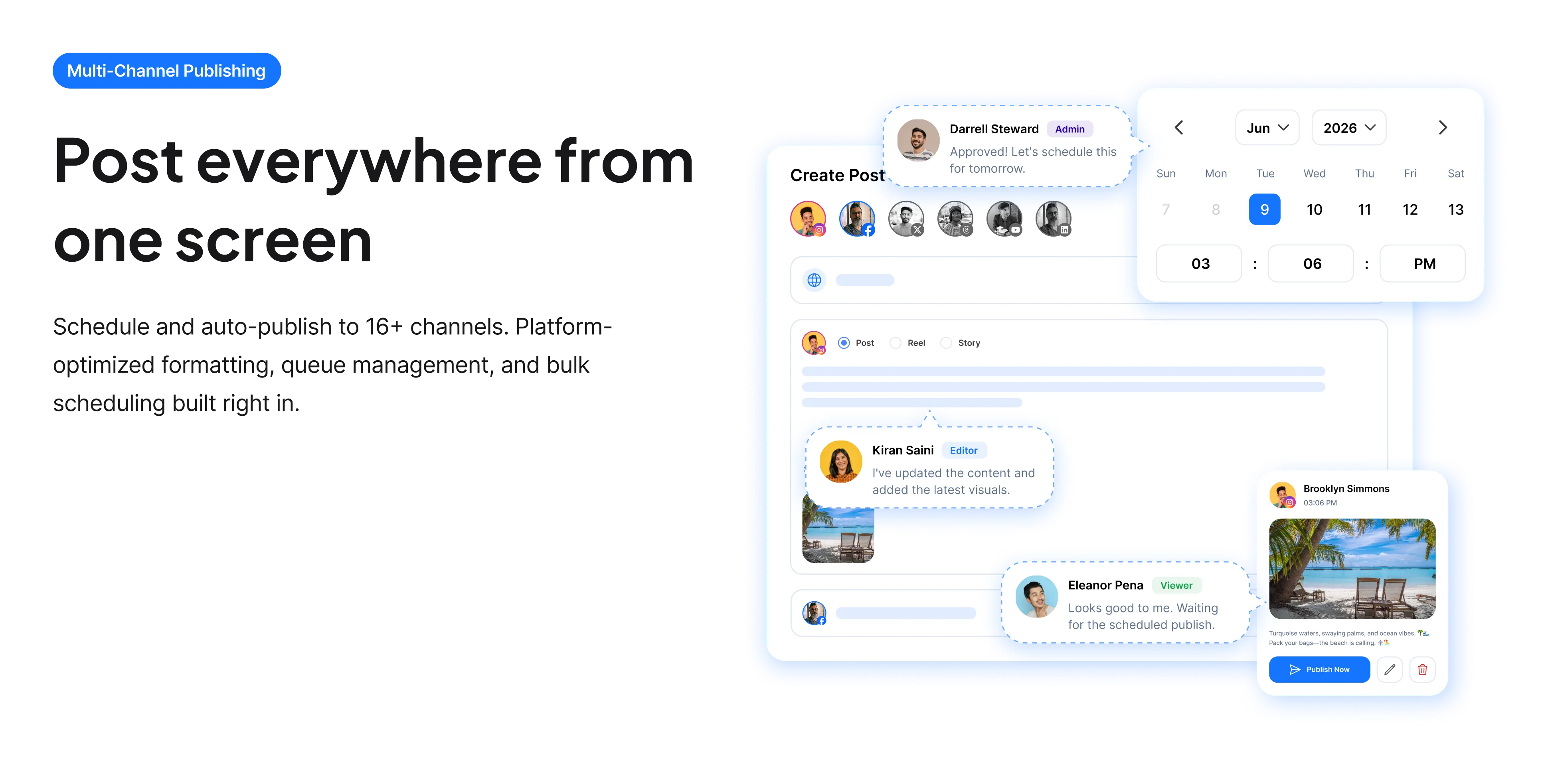
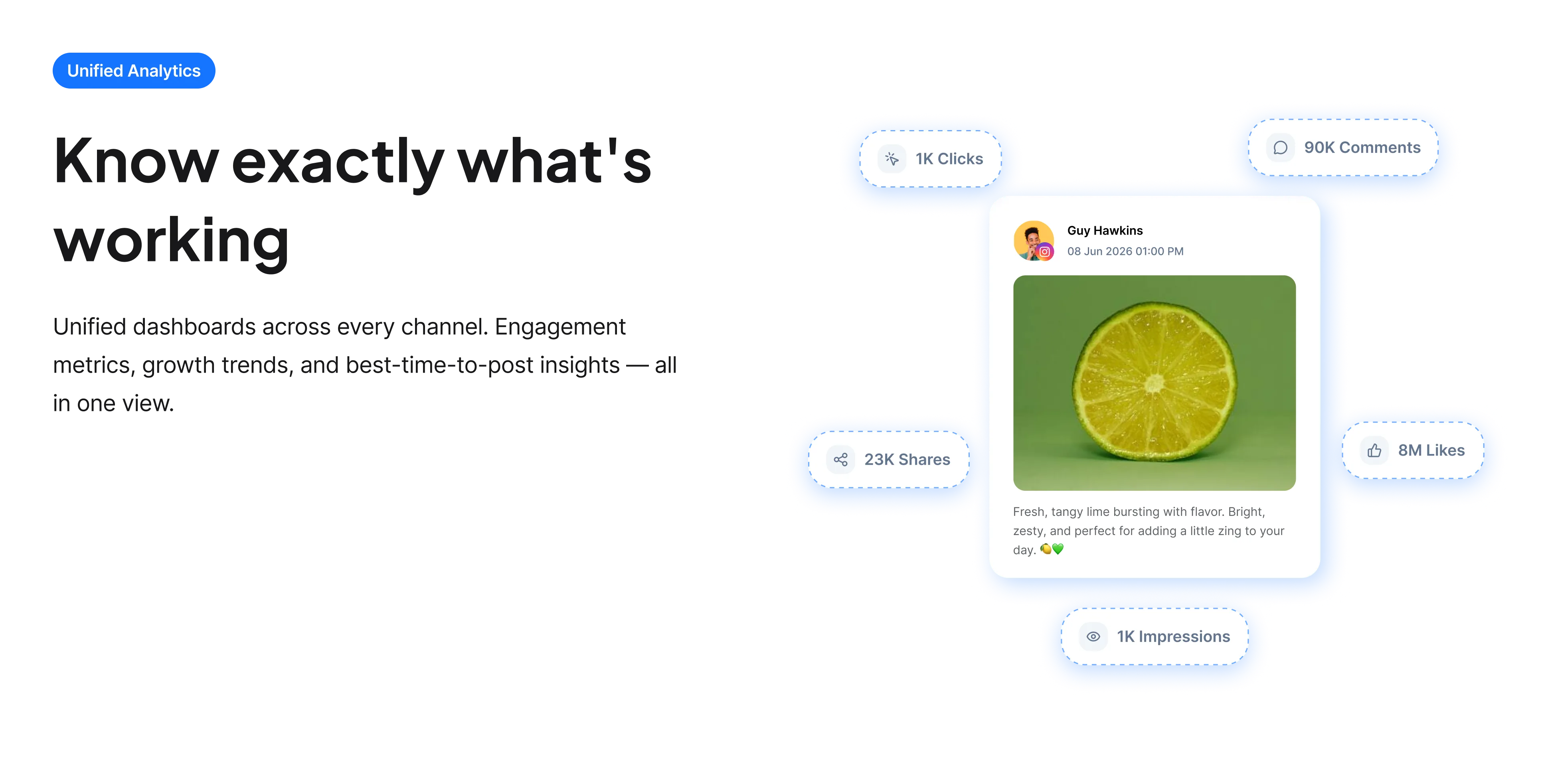
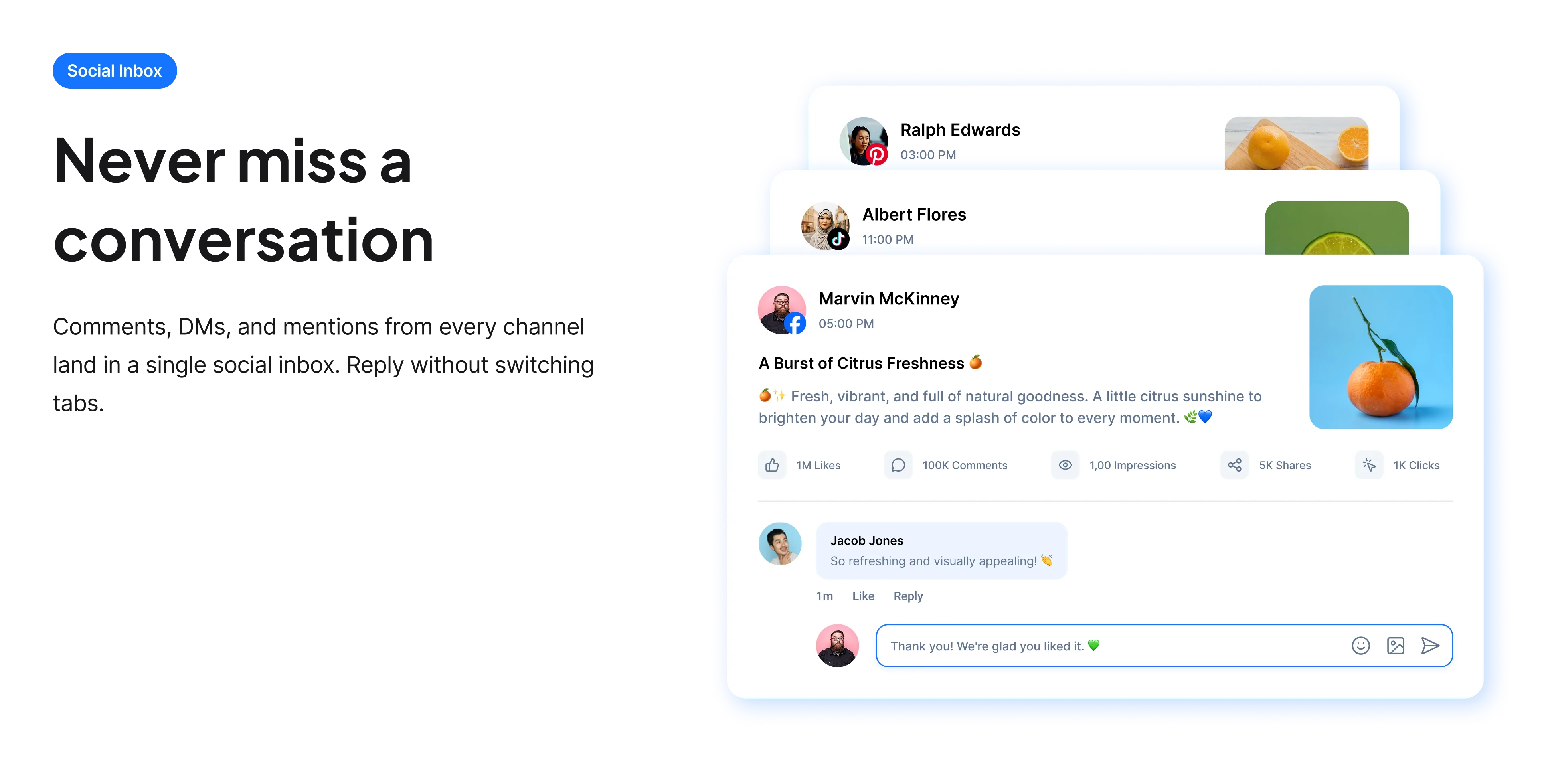
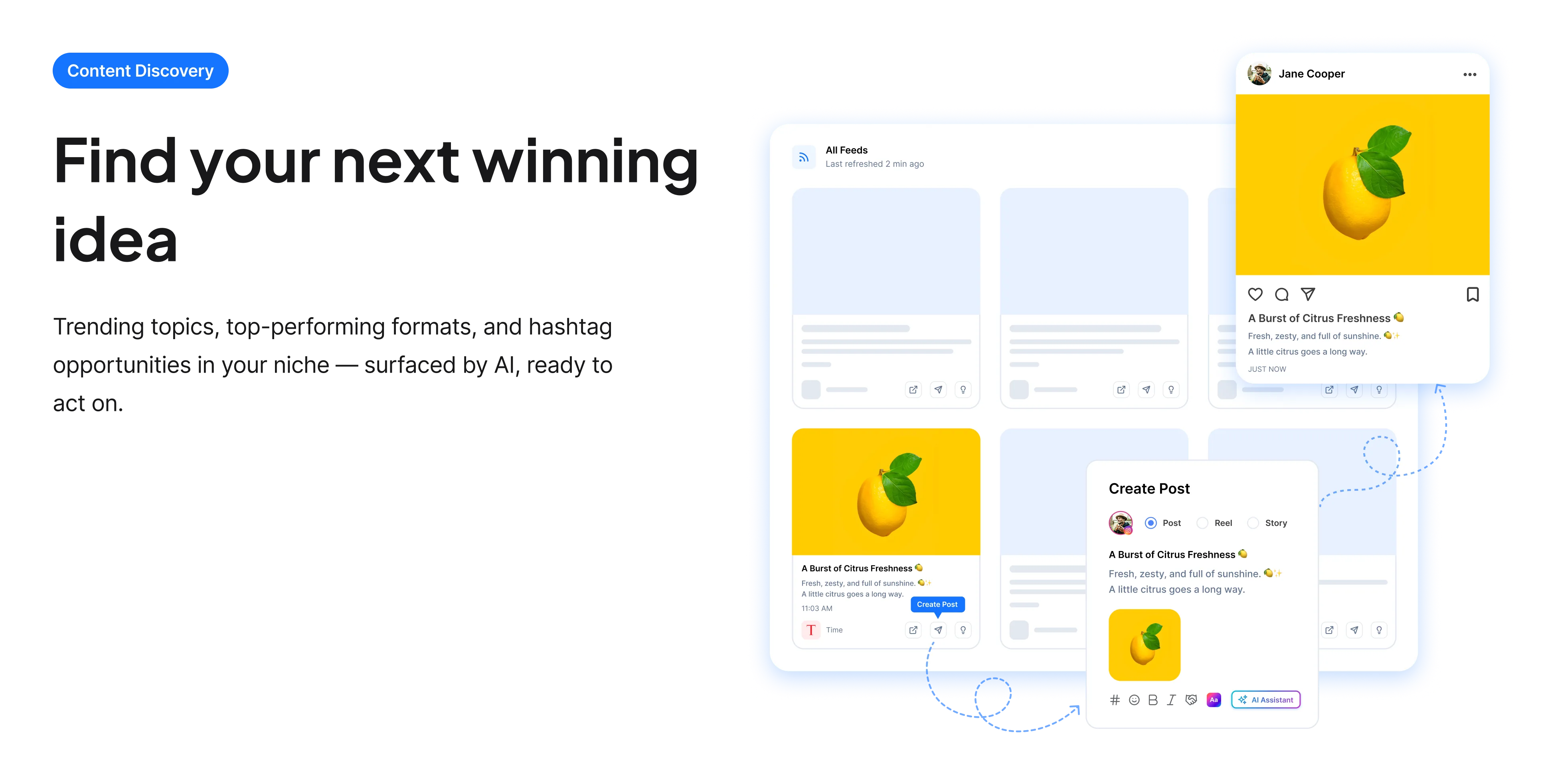
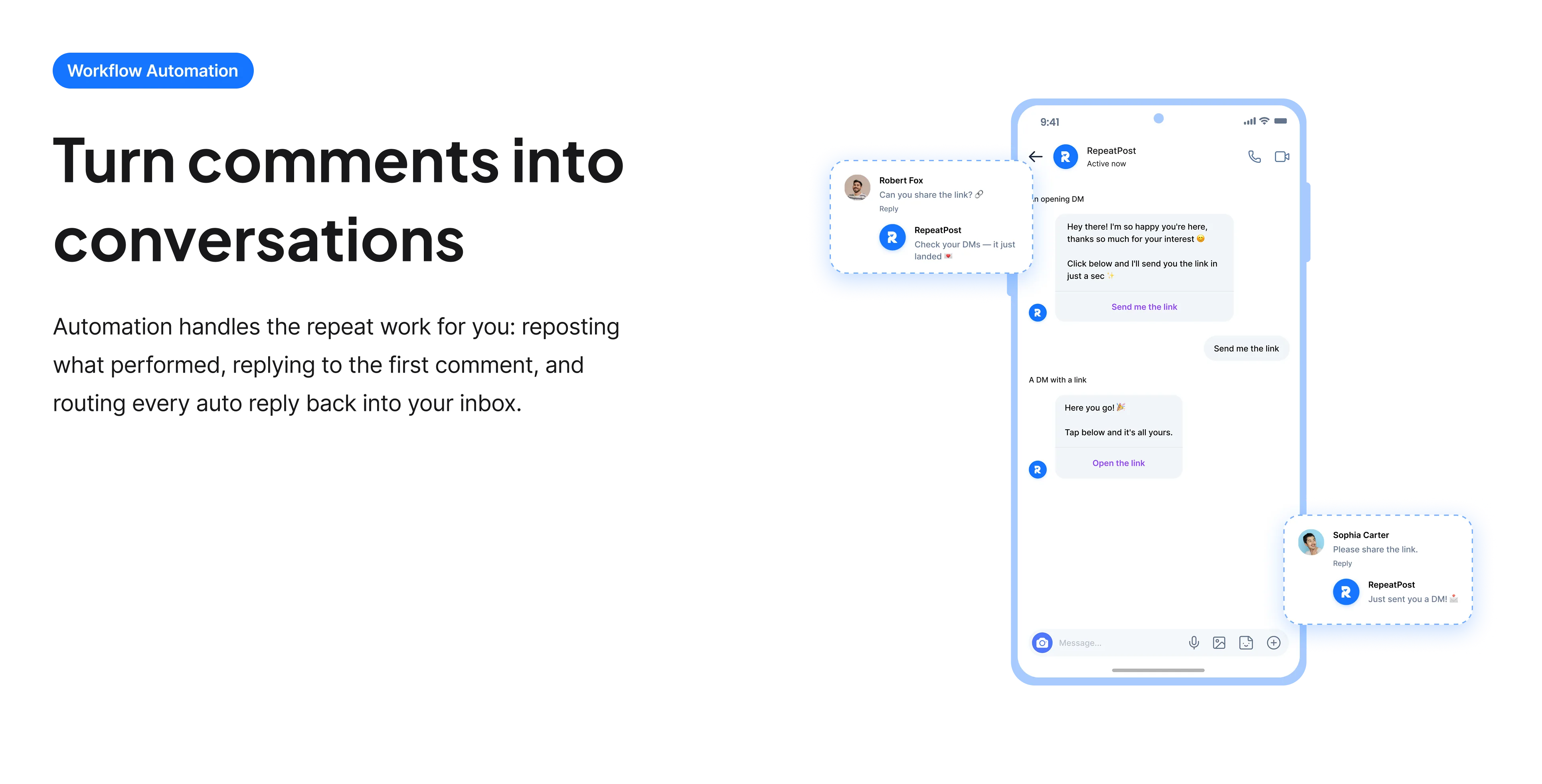
The free tools solve one task at a time. RepeatPost handles the whole loop: write the post, publish it everywhere, then see what landed.
Ready to get started?
The free tools are the warm up. RepeatPost plans, writes and publishes across every channel you post to.
Free plan to start
No credit card required
Cancel anytime
All about the podcast script generator
What is a podcast script generator?
This produces an episode outline rather than a script in the literal sense, and the distinction is the whole point. Audio punishes recitation: listeners hear the difference between someone talking and someone reading almost immediately, and reading aloud flattens the pacing that makes a conversation listenable. So the output is a structure of segments with talking points underneath, transitions between them, and for interview episodes a question list ordered so the conversation builds. You keep the shape of a planned episode while still sounding like a person.
How to plan an episode that holds attention
Podcast listening is long and often distracted, so structure works differently here than in video.
- Tell people what the episode covers within the first minute. Podcast listeners commonly sample the opening before committing, and a slow start loses them there.
- Keep segments to a length you can actually sustain. A segment you have three points for runs out of energy long before one you have eight for.
- Write transitions rather than improvising them. The joins between segments are where solo episodes most often wander.
- For interviews, order questions so each one builds on the last. Jumping between unrelated topics stops a guest from ever getting into depth.
- Leave the best question until the guest has warmed up, but not so late that you run out of time for the answer.
- Plan the close. Episodes that simply stop feel unfinished, and a planned ending takes fifteen seconds to write.
Interviews compared with solo episodes
These are different jobs, and the outline should reflect which one you are doing.
- Solo episodes need more structure, not less. There is no second voice to change the rhythm, so segment boundaries do that work instead.
- Interview outlines should be questions, not statements. A talking point in an interview turns into you answering your own question.
- Send a guest the themes rather than the exact questions. Exact questions produce rehearsed answers, and themes produce prepared but natural ones.
- Always plan more questions than you need. Some will be answered before you ask them, and running dry on tape is worse than over preparing.
- For co hosted shows, agree who leads each segment beforehand. Two people improvising the same transition is the most common cause of a messy edit.
Who uses this tool
Mostly people producing episodes on a schedule rather than occasionally.
- Independent podcasters publishing weekly, where the recurring problem is planning rather than recording.
- Businesses running a branded show, usually recorded by someone whose main job is something else.
- Interviewers preparing for a guest they have limited time with and need a question order that gets somewhere.
- Anyone repurposing existing content into audio, where the written version has to be restructured to work spoken.
- Co hosts who need to agree a shape before recording so they are not negotiating the structure live on tape.
Podcast outline specs
What the generator produces for each episode format.
| Detail | Value | Notes |
|---|---|---|
| Output type | Outline with talking points | Not a word for word script |
| Solo episodes | Segments and talking points | More structure, not less |
| Interview episodes | Ordered question list | Built to escalate, not jump |
| Transitions | Included | Where solo episodes usually wander |
| Runtime targeting | Segment count matched to length | Set the target up front |
| Cost | Free | No account and no card |
| Generations | Daily limit, resets each day | Sized for normal use |
| Rights to the output | Yours to use commercially | Including branded shows |
The outline is a planning document rather than a broadcast script. Treat generated talking points as prompts to check against your own knowledge before recording.
When this is not the right tool
Do not read the output aloud. It is written to be spoken around, and delivered verbatim it will sound exactly like what it is. It also cannot supply expertise: talking points on a subject you do not know produce an episode where you are confidently wrong in front of an audience, so check anything you did not already know before you say it. For video formats the structure differs enough that the YouTube script generator fits better. Once the episode exists, the blog outline generator helps turn it into show notes.
How teams picture using RepeatPost
“Honestly, the calendar is what sold me. I could see every channel in one view and spot the week we'd gone quiet. Before this I was juggling three spreadsheets and a Slack thread. Now I plan the month on a Monday morning and I'm done by half ten.”
Hannah Whitfield
Marketing Manager
United KingdomJun 14, 2026“We run social for eleven clients and keeping them separate used to be a genuine anxiety of mine. Workspaces fixed that. Each client sits in their own space, approvals route to the right person, and I've stopped worrying that someone's going to push a dental practice promo to a restaurant account at 6am.”
Marcus Reed
Agency Owner
United StatesJun 29, 2026“I batch a fortnight of content on a Sunday arvo and then I don't think about it again. Reckon it's saved me a solid day a week. Only gripe is the mobile app still feels a step behind the web version, so I do the actual planning on my laptop. Everything else is spot on.”
Chloe Baxter
Content Creator
AustraliaJul 11, 2026“I'm handling social for four small brands and writing captions was eating my whole morning. The AI drafts are actually quite usable now. I still rewrite maybe every third one to sound like the client, but starting from something beats staring at a blank box. The hashtag tool alone I'm using daily.”
Ananya Raghavan
Freelance Social Media Manager
IndiaJul 30, 2026“I sell fabrics and my customers find me on Instagram mostly. Posting used to be whenever I remembered, which was maybe twice a week. Now I sit down every Sunday evening, load up two weeks, and it goes out on its own. Sales have followed. I'd like to see WhatsApp added properly, that's my one ask.”
Chidinma Eze
Small Business Owner
NigeriaAug 18, 2026“Our team is five people and we were losing posts in Slack threads. Someone would approve something, someone else would tweak it, and nobody knew which version went live. The approval flow sorted that in a week. Fair play, it's the least glamorous feature on the site and it's the one I'd miss most.”
Niamh Gallagher
Social Media Lead
IrelandSep 02, 2026FAQs
Frequently Asked
Questions
No. Listeners hear the difference between talking and reading almost immediately, and recitation flattens the pacing that makes audio listenable. Use the outline as structure and speak around the points in your own words.
Video scripts are usually written to be delivered closely, with visual cues and tight timing. Podcast outlines are written to be spoken around, because audio has no visuals to carry the structure and rewards a natural conversational rhythm instead.
Yes, generally. An interview has a second voice changing the rhythm and creating natural boundaries. Solo episodes have neither, so segment structure and written transitions do that work instead, which is where unstructured solo shows tend to wander.
Send the themes rather than the exact questions. Exact questions tend to produce rehearsed answers that sound flat, while themes let a guest prepare their thinking and still respond naturally in the moment.
More than you expect to use. Guests frequently answer several of your later questions while responding to an earlier one, and running out of material on tape is considerably worse than leaving some questions unasked.
Yes. There are no restrictions on commercial use of the output. Branded shows are a common case here, usually because the person recording has a different day job and needs the episode planning handled quickly.
Ready to get started?
Create your free account and start managing 16+ channels with AI in minutes.
Get started for freeFree plan to start
No Credit Card Required
Cancel anytime